Consulting engagements turn an ambiguous problem or opportunity into evidence-based recommendations and, when included in scope, implementation support. A defined consulting process gives the consultant and client shared checkpoints for discovery, analysis, decisions, delivery, and closure.
This guide explains a practical five-step consulting process, its benefits and common challenges, and how to clarify engagement scope, ownership, client handoffs, feedback, and review stages.
What is a Consulting Process
A consulting process is a structured way to define an engagement, investigate the client’s situation, develop and evaluate options, support agreed action, and review results. It creates a shared working method without assuming that every assignment follows the same sequence or that a consultant controls implementation.
A typical engagement includes contracting and problem definition, data collection and analysis, recommendations and decision-making, implementation support, and follow-up or closure. Before substantive work begins, the parties should agree on scope, objectives, roles, deliverables, decision rights, fees, confidentiality, data access, communication, change control, and completion criteria. The process should then be adapted to the assignment and the client’s context.

Benefits of a Reliable Consulting Process
A reliable consulting process can provide the following benefits for consultants and clients:
- Clarifies scope and expectations: Defined objectives, deliverables, responsibilities, decision rights, and change procedures reduce avoidable ambiguity.
- Creates review checkpoints: The client can validate the problem definition, evidence, options, recommendations, and implementation approach before work advances.
- Improves traceability: A connected record of assumptions, sources, findings, decisions, feedback, and deliverables makes the reasoning easier to review.
- Supports better handoffs: Named owners and acceptance criteria clarify what moves from the consultant to the client, and who is responsible for the next step.
- Uses resources more deliberately: An agreed work plan helps prioritize analysis and avoid effort that falls outside the engagement’s purpose.
- Strengthens client capability: Participation, knowledge transfer, and documented decisions can help the client maintain or adapt the solution after the consultant leaves.
A process supports consistency but does not guarantee faster delivery, client agreement, implementation success, or lasting results. Those outcomes also depend on evidence quality, organizational context, client decisions, resources, and follow-through.
5 Step Consulting Process for Building Better Solutions
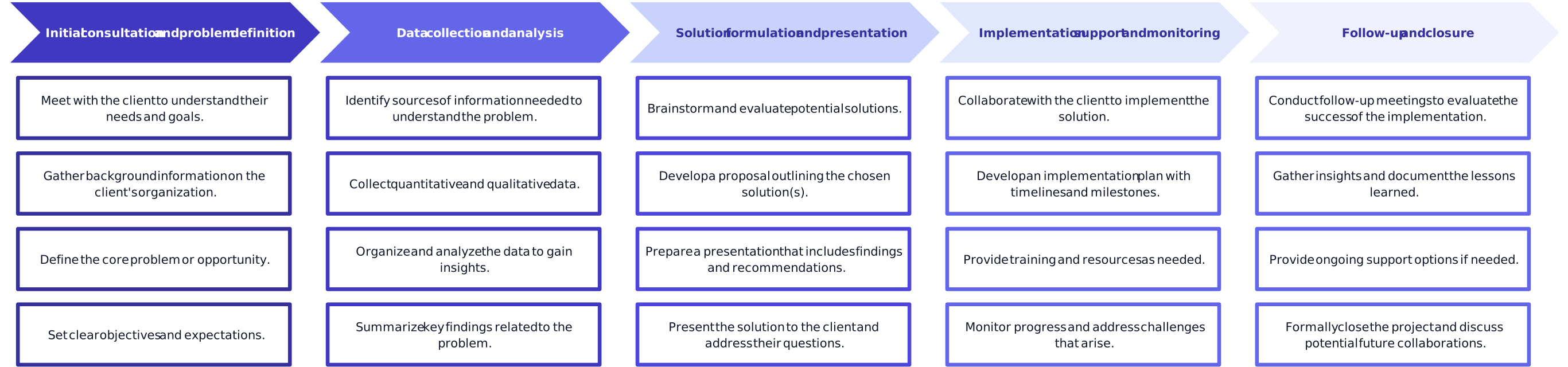
The stages below provide a general engagement framework. They may overlap or repeat, and implementation may remain entirely with the client. Add explicit review and acceptance points so unresolved assumptions do not pass silently from one stage to the next.
Step 1: Initial consultation and problem definition
Begin by understanding the presenting issue, the business context, and the people affected. Test whether the initial request describes the underlying problem, a symptom, or a preferred solution. Confirm who sponsors the engagement, who can make decisions, and who must be consulted.
Key activities:
- Meeting with the client: Schedule an initial meeting to discuss the client’s needs, goals, and challenges. This is an opportunity to build rapport and establish a trusting relationship.
- Asking key questions: Use open-ended questions to encourage the client to share detailed information about their situation. Some questions to consider include:
- What specific challenges are you facing?
- What goals do you want to achieve?
- Have there been any previous attempts to address this issue?
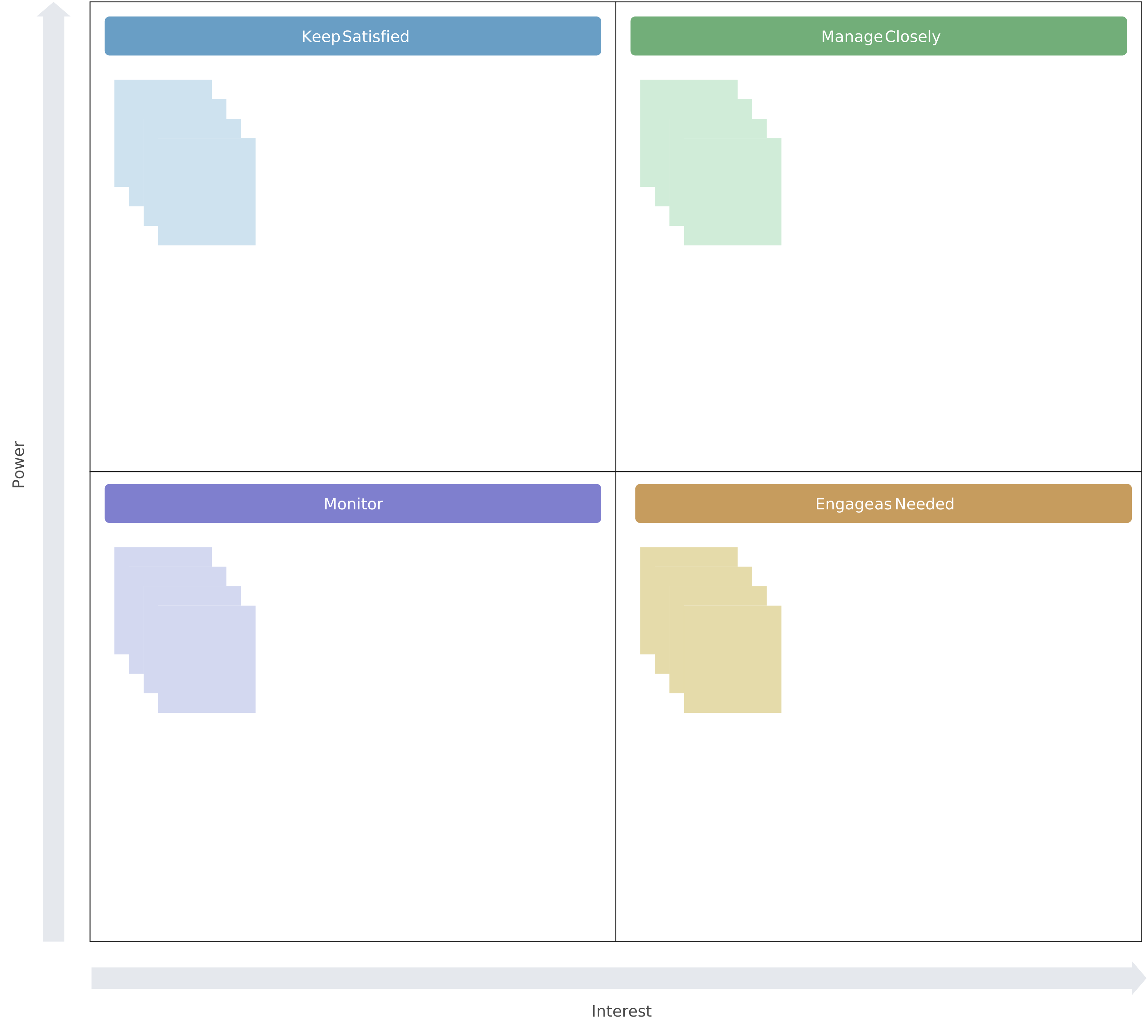
- Who are the key stakeholders involved in this project?
- Gathering background information: Collect relevant data and context about the client’s organization, industry, and market conditions. This information is essential for understanding the problem in a broader context.
- Identifying core issues: Analyze the information collected during the consultation to identify the underlying problems or opportunities. This step may involve looking beyond the surface to uncover root causes.
- Defining objectives: Work with the client to establish clear and measurable objectives that the consulting engagement aims to achieve. These objectives will guide the rest of the consulting process.
- Setting expectations: Discuss the consulting process, including timelines, deliverables, and communication methods. Ensure that both you and the client have a shared understanding of what to expect moving forward.
Outcome:
The output should be an agreed engagement brief or contract covering the problem statement, scope and exclusions, objectives, stakeholders, work plan, deliverables, responsibilities, review cadence, confidentiality, data handling, assumptions, risks, fees, and change or termination process.
Step 2: Data collection and analysis
Gather evidence relevant to the agreed questions and assess its quality, limitations, and permitted use. Protect confidential or personal information and avoid collecting data merely because it is available.
Key activities:
- Identifying data sources: Determine where to find the information needed for analysis. This may include internal documents, market research, industry reports, and stakeholder interviews.
- Collecting quantitative data: Gather numerical data that can provide insights into the client’s situation. This may involve analyzing sales figures, customer feedback, and performance metrics.
- Gathering qualitative data: Conduct interviews, surveys, or focus groups to collect opinions and experiences from stakeholders. This qualitative data helps to understand the context and underlying factors related to the problem.
- Organizing data: Compile the collected data into a structured format, such as spreadsheets or databases. Organizing the information makes it easier to analyze and draw meaningful conclusions.
- Analyzing the data: Use various analytical techniques to interpret the data. This may include statistical analysis, trend analysis, and SWOT analysis to identify patterns, correlations, and insights.
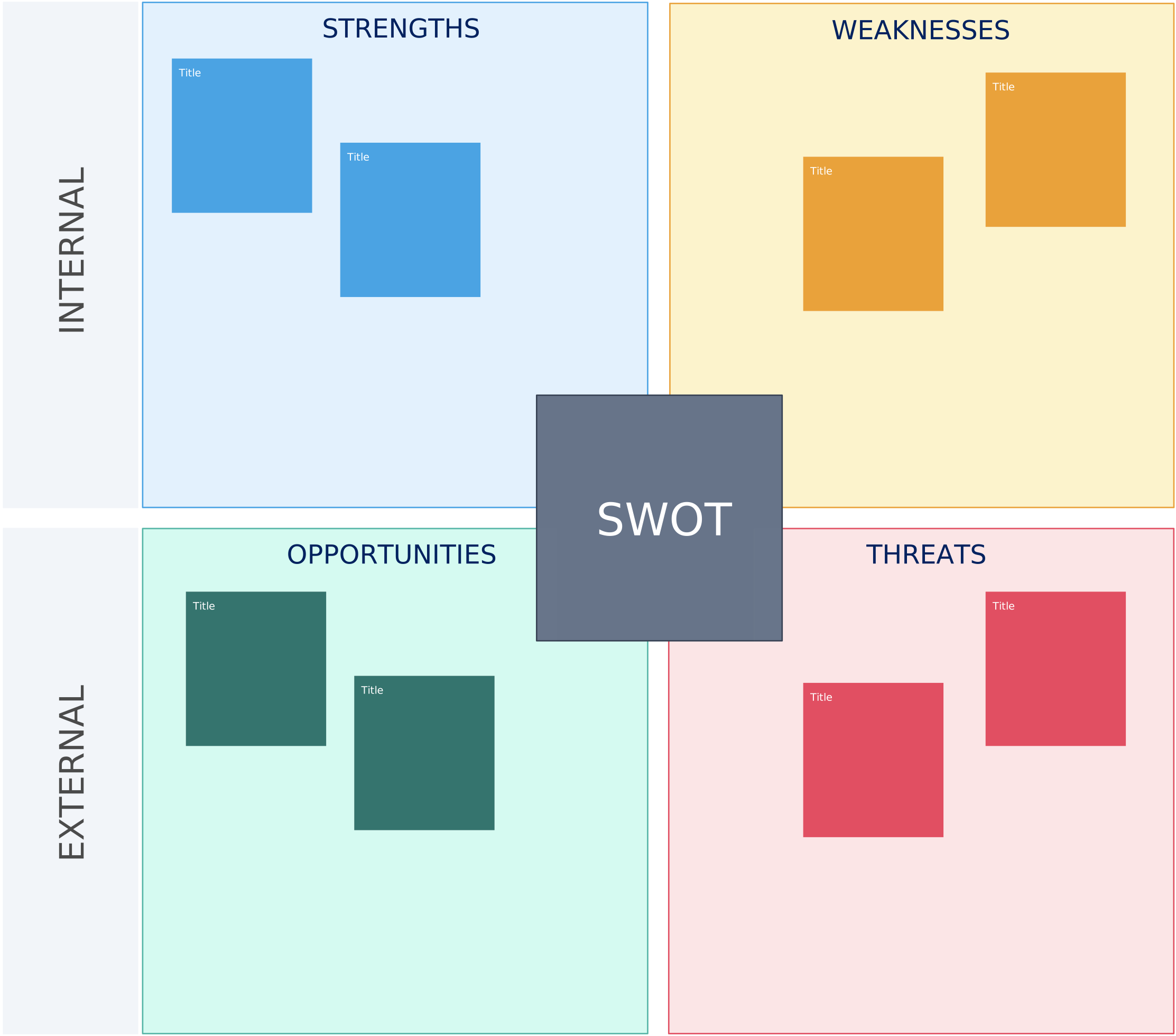
- Identifying key findings: Summarize the insights gained from the data analysis. Highlight the most relevant findings that directly relate to the problem definition established in step one.
Outcome:
The output should be a reviewable set of findings that distinguishes evidence from interpretation, records limitations and competing explanations, and shows how each finding relates to the agreed problem. Review it with the client before developing recommendations.
Step 3: Solution formulation and presentation
Develop more than one viable response where appropriate, including the option to take no immediate action. Evaluate trade-offs with agreed criteria and make the assumptions, dependencies, risks, costs, and likely benefits visible so the client can make an informed decision.
Key activities:
- Brainstorming potential solutions: Collaborate with your team or stakeholders to generate a wide range of possible solutions. Encourage creative thinking and consider various approaches to address the identified problem.
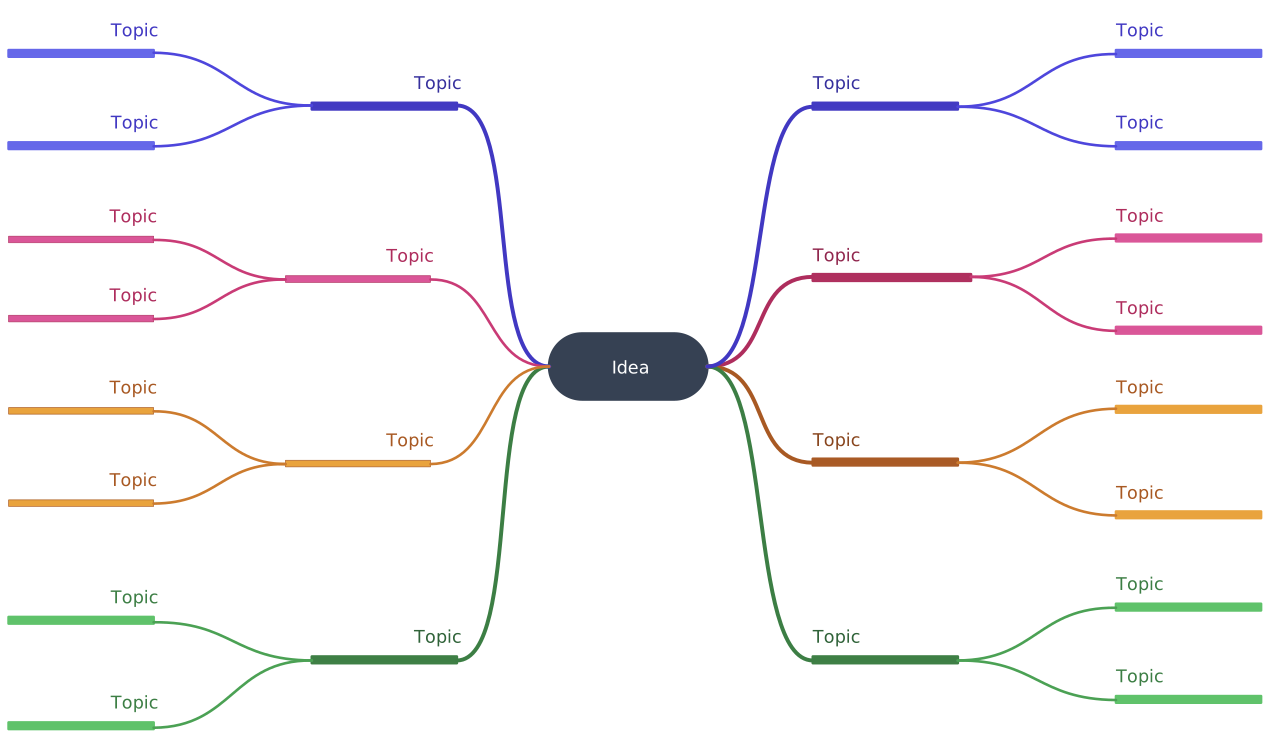
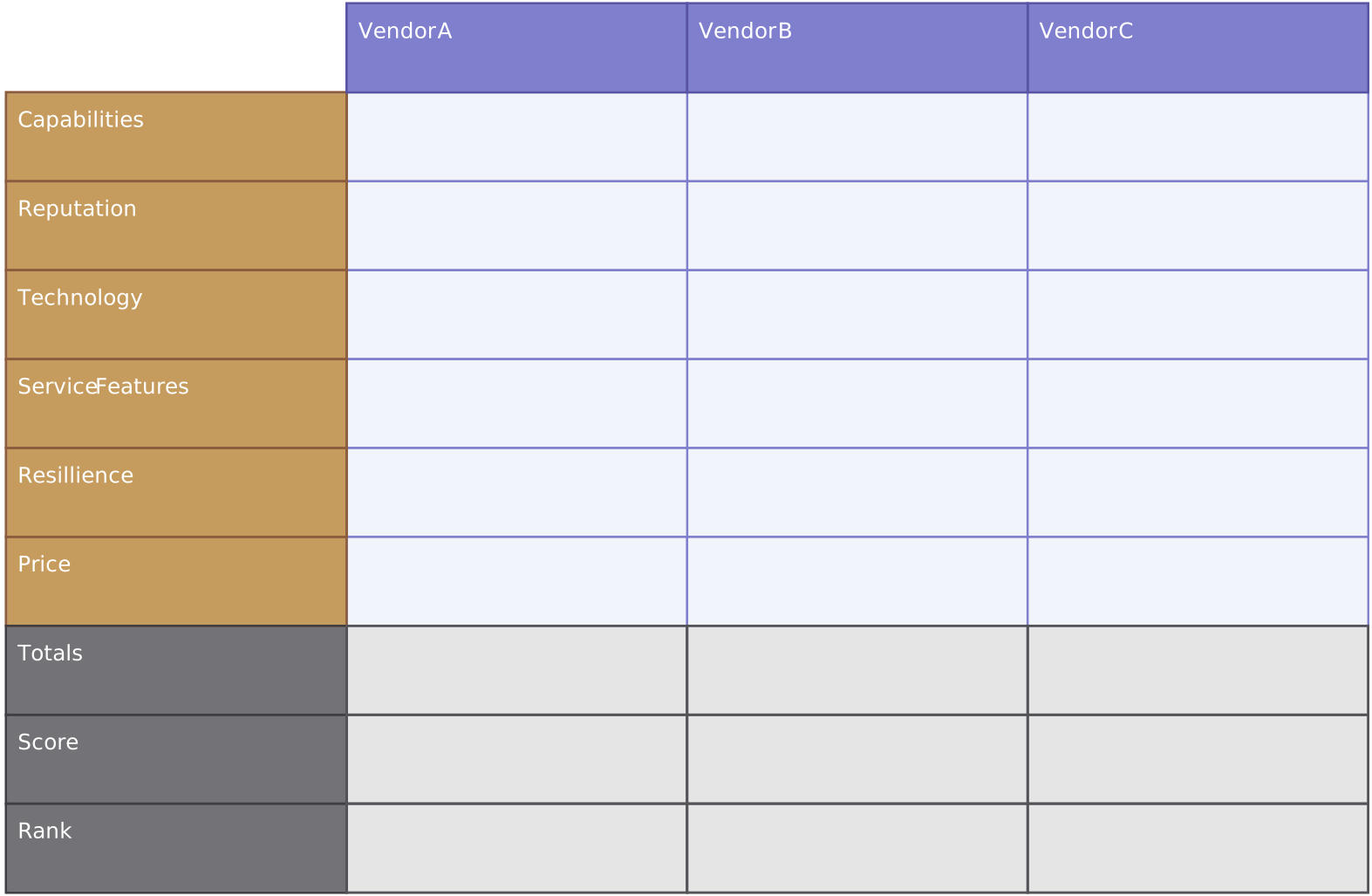
- Evaluating solutions: Assess the feasibility, effectiveness, and alignment of each proposed solution with the client’s goals and resources. Consider factors such as cost, time, and potential impact.
- Developing a recommendation: Identify the preferred option based on the evidence and criteria, while showing alternatives and trade-offs. The client retains the decision unless the engagement explicitly assigns that authority elsewhere.
- Developing a detailed proposal: Create a comprehensive proposal that outlines the selected solution(s), including implementation steps, timelines, and required resources. This proposal should also highlight the expected outcomes and benefits for the client.
- Preparing the presentation: Design a clear and engaging presentation to share your findings and proposed solutions with the client. Use visuals, such as slides and diagrams, to help convey your message effectively.
- Presenting to the client: Schedule a meeting to present the proposal to the client. Clearly explain the rationale behind the recommended solutions, addressing any questions or concerns they may have.
Outcome:
The output should be a documented client decision: approved, rejected, deferred, or returned for revision. Record conditions, open questions, owners, and the scope of any implementation support rather than treating presentation as automatic approval.
Step 4: Implementation support and monitoring
If implementation support is included, translate the approved recommendation into an owned plan. Define the boundary between consultant and client responsibilities; the consultant should not assume authority the client has not delegated.
Key activities:
- Collaborating with the client: Work closely with the client to implement the proposed solutions. This collaboration helps ensure that everyone is aligned and that the implementation aligns with the client’s vision.
- Developing an implementation plan: Create a detailed plan that outlines the steps needed to execute the solution. This plan should include timelines, responsibilities, and key milestones to track progress.
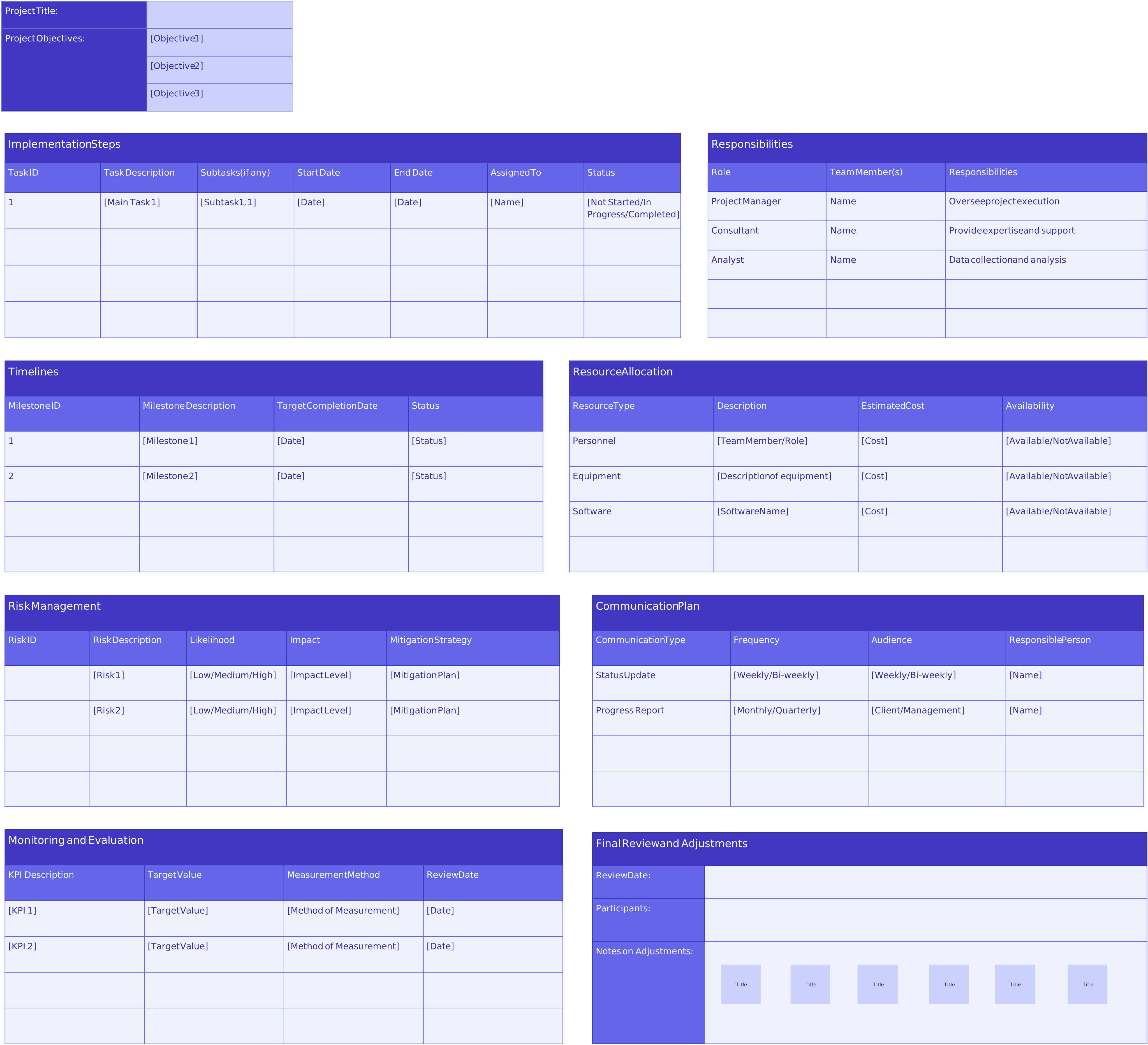
- Providing training and resources: Offer training sessions or resources to help the client’s team understand and effectively implement the new solutions. This support may include workshops, manuals, or one-on-one coaching.
- Monitoring progress: Regularly check in with the client to assess the implementation progress. Use key performance indicators (KPIs) and metrics to measure success and identify any areas needing adjustment.
- Addressing challenges: Be proactive in identifying and resolving any issues that arise during the implementation process. This may involve adapting the plan or providing additional support to overcome obstacles.
- Gathering feedback: Encourage ongoing communication with the client and stakeholders to collect feedback on the implementation process. This feedback can provide valuable insights for making necessary adjustments.
Outcome:
The output should be an implementation status agreed with the client, including completed work, evidence against measures, unresolved risks, decisions, changes, and responsibilities for the next review. Implementation may still be in progress when the consulting engagement ends.
Step 5: Follow-up and closure
The final stage evaluates the engagement against its agreed objectives and transfers remaining responsibility to the client. Closure confirms what was delivered and learned; it cannot by itself ensure that a solution will be sustained.
Key activities:
- Conducting follow-up meetings: Schedule meetings with the client to discuss the outcomes of the implemented solutions. This helps gather feedback on their effectiveness and the client’s satisfaction with the results.
- Evaluating success: Assess whether the objectives set during the initial consultation have been met. Use metrics and KPIs established during the implementation phase to measure success.
- Gathering insights and lessons learned: Discuss what worked well and what could be improved during the consulting engagement. Collect feedback from the client and stakeholders to identify valuable insights for future projects.
- Documenting the engagement: Prepare a final report summarizing the consulting process, including key findings, solutions implemented, and outcomes achieved. This documentation serves as a reference for both the client and the consulting team.
- Providing ongoing support options: Discuss potential follow-up support or additional services that may benefit the client in the future. This could involve regular check-ins or offering further consulting on new challenges.
- Formally closing the project: Conclude the engagement by expressing appreciation for the client’s collaboration and partnership. Ensure that all deliverables have been provided and that the client feels supported moving forward.
Outcome:
The closure record should confirm accepted deliverables, outstanding actions and owners, transferred files or knowledge, data retention or disposal requirements, measured results and limitations, lessons learned, and any separately agreed follow-up. Invite candid feedback without assuming client satisfaction.
Tips for an Effective Consulting Process
Here are some tips to make your consulting process more effective:
- Build strong relationships: Establish trust and open communication with your client from the beginning. Understanding their needs and building a good working relationship can make the process smoother.
- Clearly define the problem: Make sure you and the client agree on the problem you are solving. A clear problem statement helps focus your efforts and ensures everyone is on the same page.
- Set realistic goals: Set specific, measurable, and achievable goals for the consulting project. Realistic goals help keep expectations in check and give everyone a clear idea of what success looks like.
- Use data-driven insights: Collect and analyze data to understand the problem thoroughly. Using data to support your recommendations can lead to more effective and reliable solutions.
- Communicate effectively: Keep the client informed throughout the process. Regular updates, simple explanations, and being open to feedback help keep the project on track and build trust.
- Adapt your approach: Be flexible when needed. Sometimes things don’t go as planned, and it’s important to adjust your approach to handle unexpected challenges.
- Involve the client in decision-making: Engage the client in the problem-solving process. Their input can be invaluable, and involving them creates a sense of ownership and commitment to the solution.
- Document decisions proportionately: Keep the evidence, assumptions, feedback, decisions, approvals, and handoffs needed to explain the engagement. Store confidential client information only in authorized systems and according to the agreed retention rules.
- Build for ownership and adoption: Design recommendations that the client can operate, resource, review, and adapt. Transfer knowledge and name an accountable owner rather than assuming sustainability.
- Evaluate and learn: After completing the project, evaluate what went well and what could be improved. Learning from each engagement helps you refine your consulting process over time.
Common Challenges Faced During the Consulting Process
The consulting process can be complex, and consultants often face various challenges that can impact the success of a project. Here are some common obstacles encountered during consulting engagements and how they can affect the overall process:
- Unclear problem definition: When the problem isn’t well-defined from the start, it can lead to confusion and ineffective solutions. It’s crucial for both the consultant and client to have a shared understanding of the issue.
- Resistance to change: Clients or their teams may resist changes proposed by the consultant, especially if they are comfortable with existing processes. Overcoming this requires effective communication and demonstrating the benefits of the changes.
- Weak client participation or unclear authority: Missing stakeholder input can hide operational constraints, while unclear decision rights can stall reviews. Agree who contributes, who decides, and when feedback is due.
- Limited data availability: Incomplete or inaccurate data can make it difficult to conduct a proper analysis, affecting the quality of recommendations. Ensuring data reliability is a common challenge.
- Time constraints: Tight deadlines can limit the time available for crucial stages like data collection and analysis. Effective time management is necessary to stay on track.
- Conflicting stakeholder interests: Different stakeholders may have conflicting goals, making it challenging to find a solution that satisfies everyone. Good negotiation skills are needed to align these interests.
- Scope creep: The project scope may expand beyond the original plan, leading to more work, delays, and budget overruns. Managing and controlling the project scope is vital.
- Implementation difficulties: Limited resources, weak ownership, missing capabilities, or operational dependencies can block adoption. Confirm implementation responsibility and support needs before finalizing the recommendation.
- Unrealistic expectations: Clients may have unrealistic expectations regarding results, time, or budget. Setting clear, realistic expectations from the beginning helps manage this issue.
- Measuring success: Without clear goals and key performance indicators (KPIs), determining the success of the project can be difficult. Establishing measurable objectives from the start is crucial.
Using Creately to streamline the consulting process
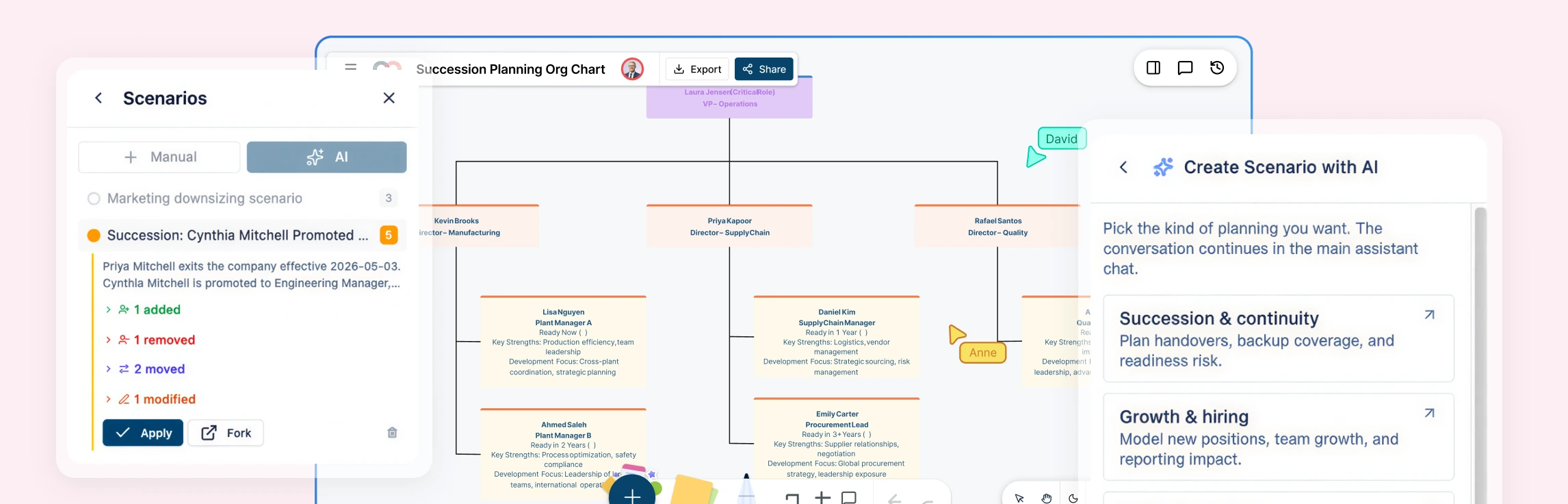
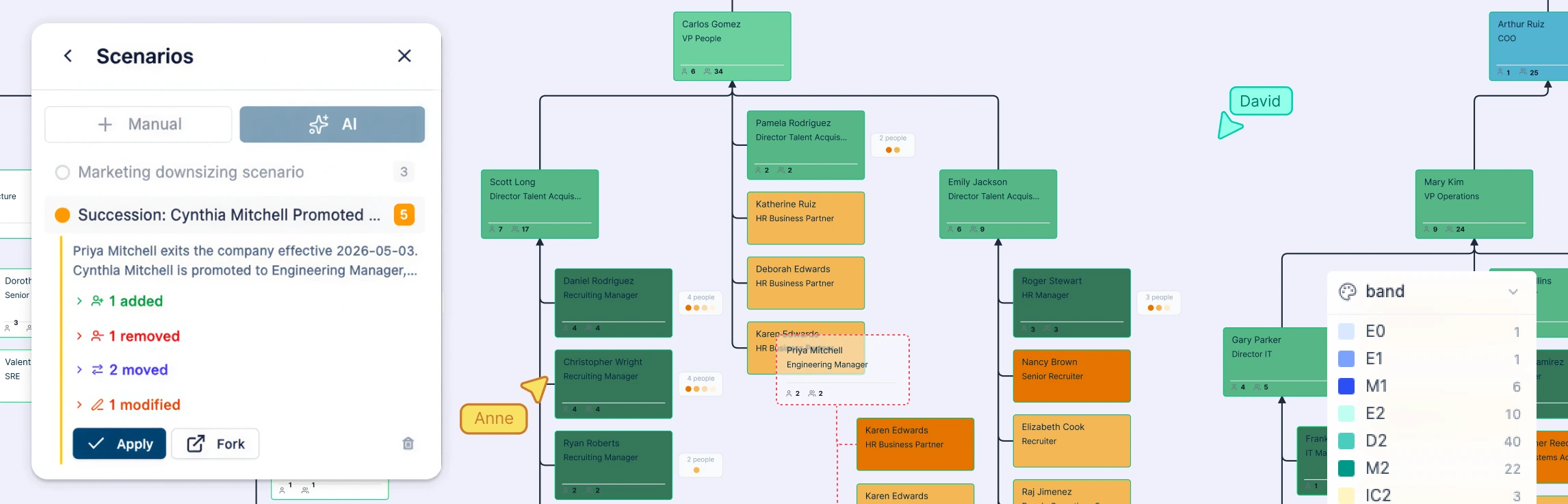
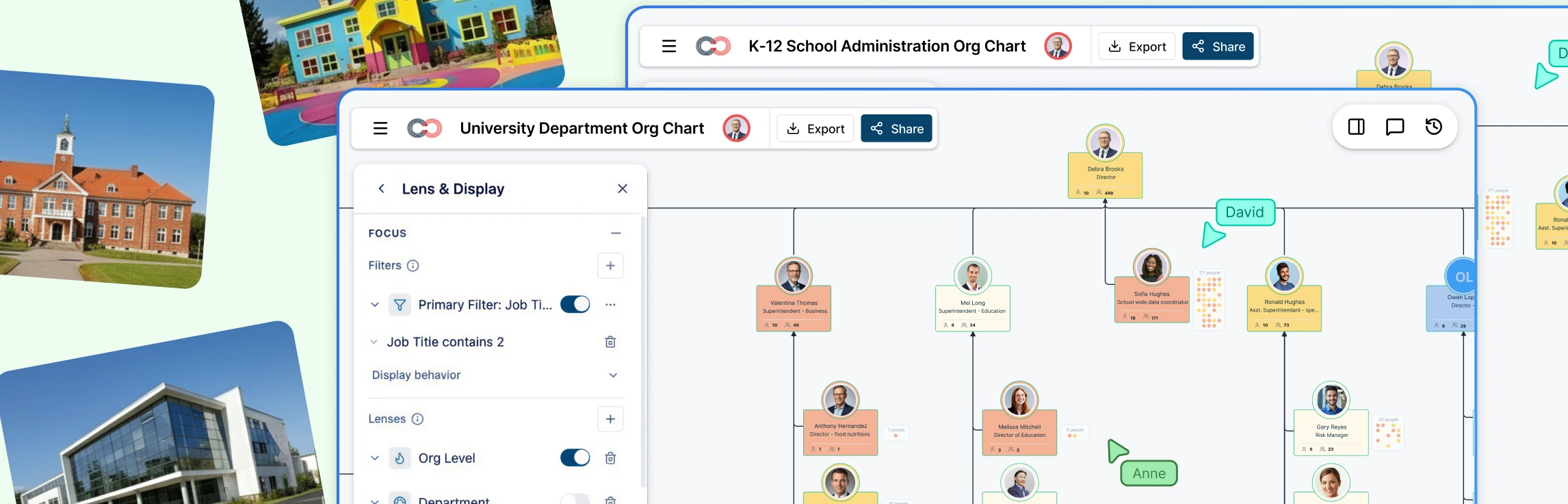
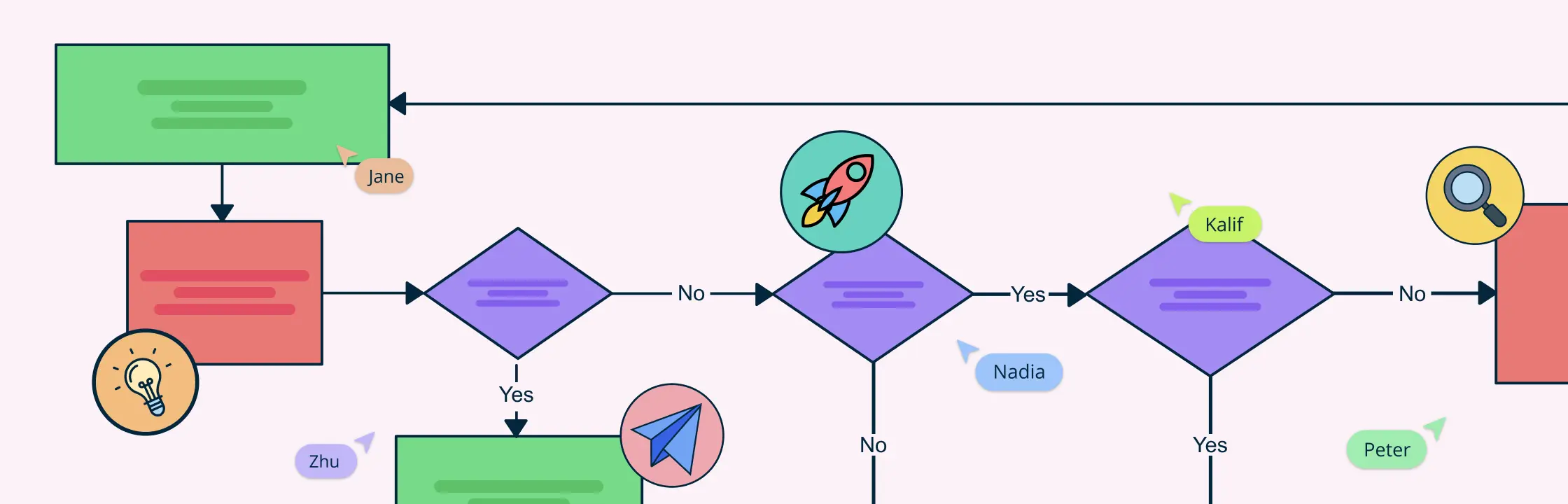
Creately Process can help consulting teams map an engagement workflow, show delivery ownership and client handoffs, and keep supporting context connected to the relevant stage. Real-time editing and contextual comments allow consultants and authorized client stakeholders to review a map together. The process owner can incorporate agreed changes and maintain the workflow as living documentation.
Key Creately capabilities for consulting teams include:
- Visual workflow mapping: Use flowcharts, swimlanes, or BPMN diagrams to show stages, decisions, responsibilities, and handoffs.
- Connected process context: Add owners, notes, links, files, and relevant data to steps so evidence and deliverables remain connected to the workflow they explain.
- Collaborative review: Invite the appropriate stakeholders to co-edit or comment on discovery, delivery, and review flows. Record formal approvals in the client’s authorized system when required.
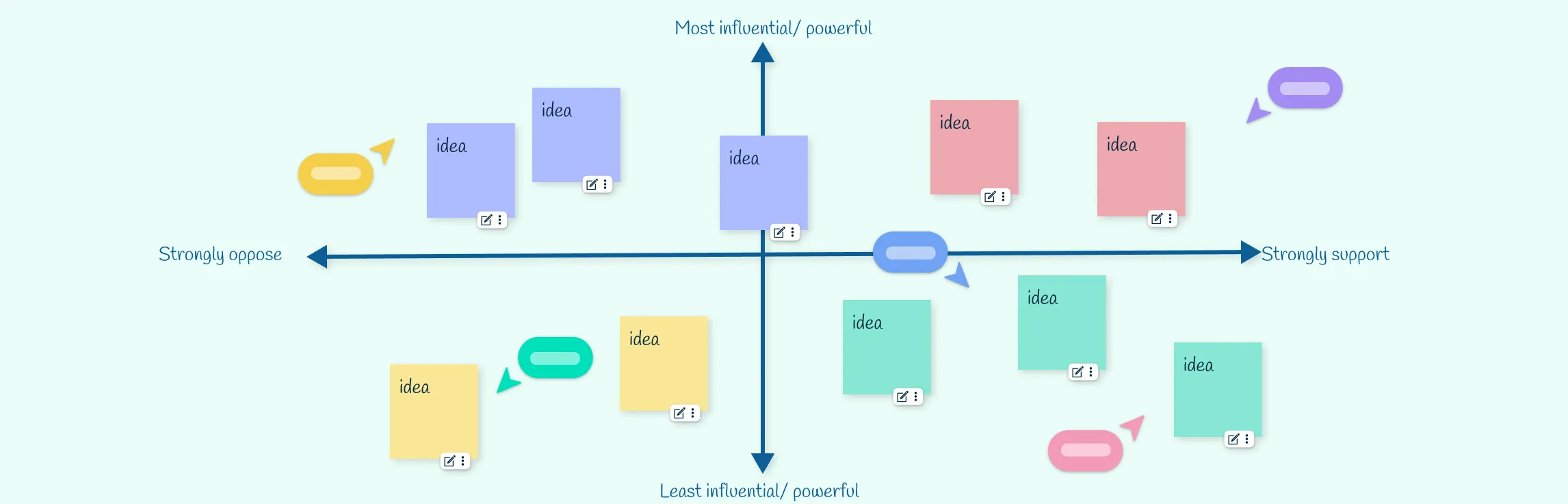
- Reusable visual templates: Adapt process maps, SWOT analyses, stakeholder maps, decision matrices, implementation plans, and other existing templates to the engagement.
- Linked levels of detail: Connect a high-level engagement map to supporting diagrams or workspaces where more detail is needed.
- AI-assisted starting point: Generate an editable first-draft flowchart from a written process description, then verify its steps, decisions, ownership, and client-specific details.
- Sharing and export: Share the workspace with suitable access permissions or export diagrams in common formats such as PDF, PNG, SVG, and JPEG, subject to plan availability and client confidentiality requirements.
Creately supports visual collaboration and documentation; it does not replace the client’s systems for contracts, confidential research data, formal approvals, project execution, or authoritative records.
Wrapping up
A consulting process works best when it creates shared understanding without becoming rigid. Define the engagement clearly, test the problem with evidence, make trade-offs visible, and agree on decision and review points. Throughout delivery, keep client participation, confidentiality, ownership, and knowledge transfer explicit.
At closure, distinguish what the consulting team delivered from what the client has implemented and measured. That honest record supports future review and reduces the risk that recommendations, responsibilities, or unresolved work are lost after the engagement ends.
References