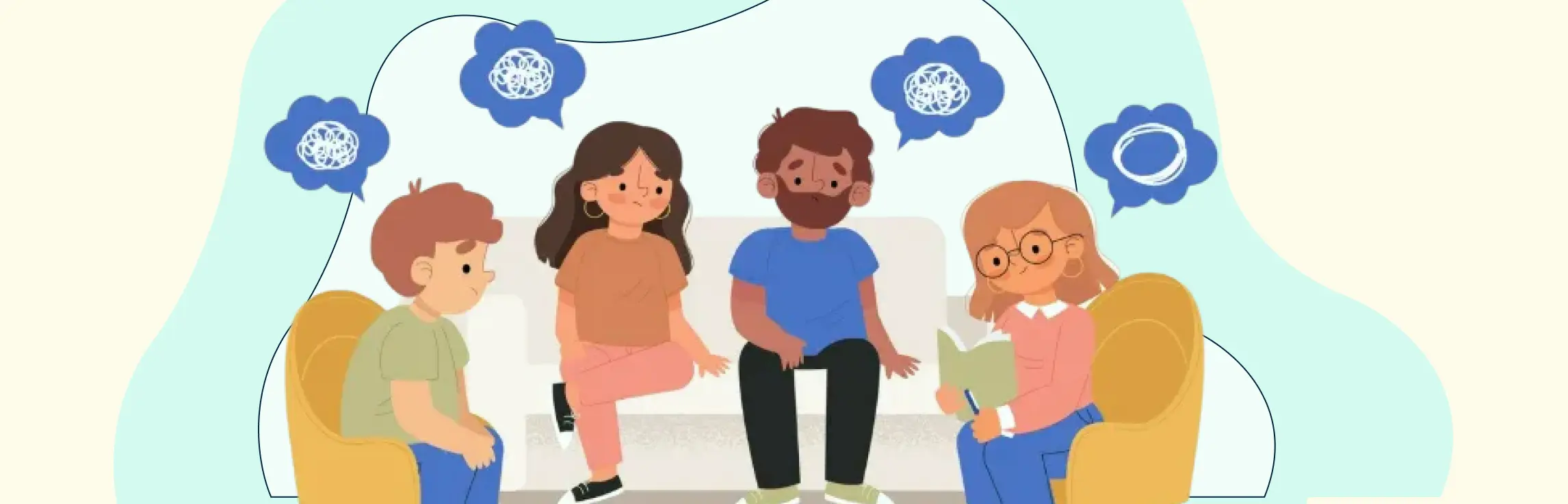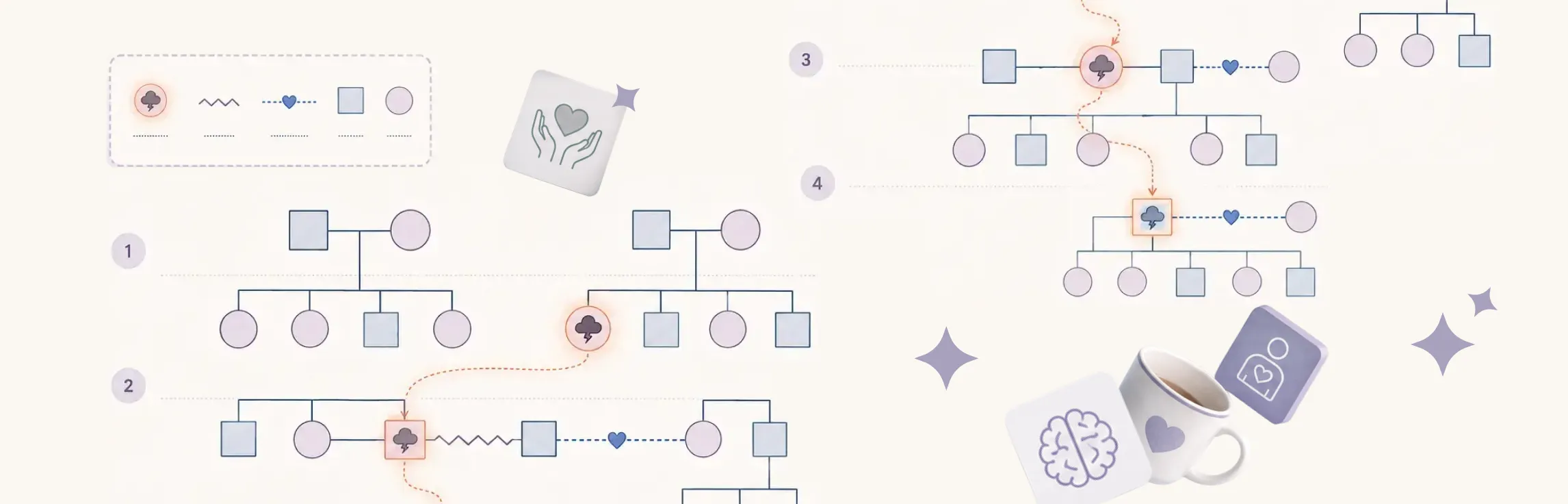
An intergenerational trauma genogram helps therapists explore how loss, displacement, caregiving roles, conflict, silence, resilience, and other family experiences may connect across generations. It can make possible patterns easier to discuss, but it should never be treated as proof that trauma caused a particular symptom or outcome.
This guide explains how to build the genogram collaboratively, document uncertainty, include strengths, and keep the process focused and trauma-informed.
What an Intergenerational Trauma Genogram Can and Cannot Show
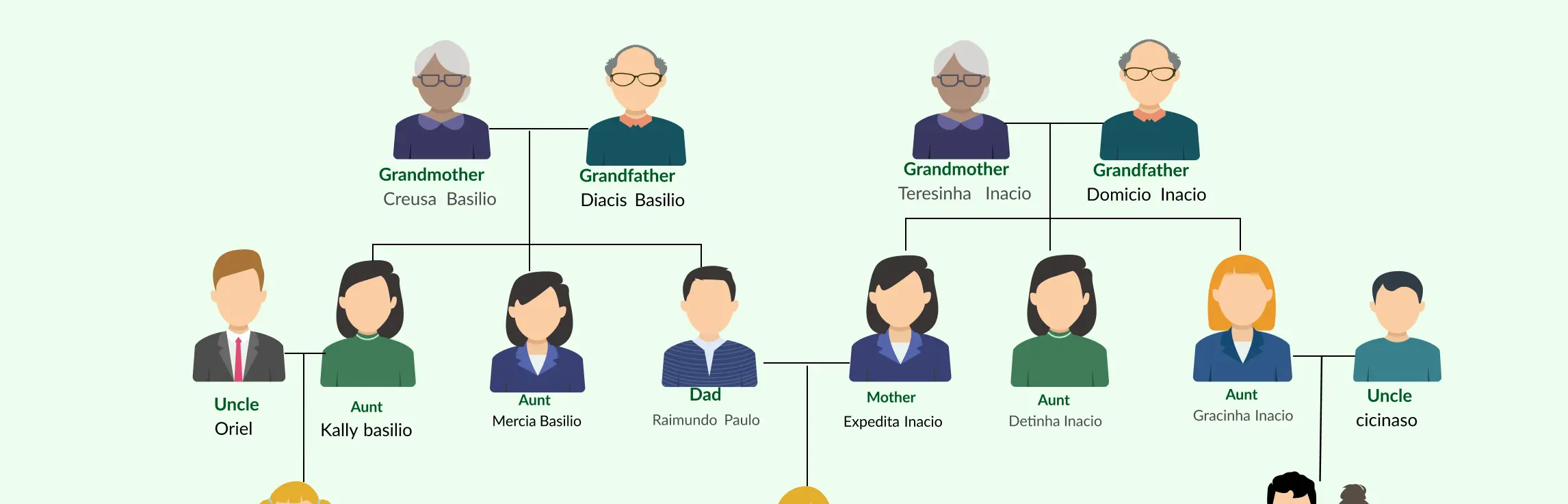
A trauma-focused genogram organizes information that may otherwise sit in separate stories, records, or memories. It can show family structure, losses, separations, migration, violence, illness, caregiving roles, substance-use concerns, disrupted attachments, cultural context, and sources of support across generations.
The map is a working hypothesis. It can reveal questions worth exploring, but it cannot prove that a past event caused a current symptom or relationship pattern. It should not turn tentative accounts into facts, assign diagnoses to relatives who have not been assessed, or reduce a family’s history to adversity alone.
SAMHSA defines trauma in relation to events or circumstances experienced as harmful or threatening and their lasting adverse effects. Its trauma-informed framework asks organizations to realize trauma’s impact, recognize signs, respond through practice, and resist retraumatization. These principles make clear explanation, collaboration, pacing, client choice, and efforts to avoid retraumatization essential parts of the mapping process.
Prepare the Session Before Drawing
Set the purpose before opening a diagram. “Understand how loss and caregiving roles changed across generations” is more useful than “find the family trauma.” A focused question limits unnecessary disclosure and gives the client a clear reason for the exercise.
Before the session:
- explain what a genogram is and how it may be used;
- agree on the question the map should help explore;
- describe where the diagram will be stored and who can access it;
- decide how to mark uncertain, disputed, or confidential details;
- plan how to pause, ground, or end the exercise if distress rises; and
- confirm safeguarding, mandatory-reporting, and crisis procedures relevant to the setting.
Use fictional or non-identifiable information when demonstrating the tool. A real clinical genogram may contain sensitive family and health information, so follow the organization’s approved privacy, security, retention, and sharing workflow.
Build the Family Structure First
Start with people and relationships before adding trauma-related content. This reduces cognitive load and gives the client a neutral way to learn the symbols.
Map the index person, partners, siblings, children, parents, and grandparents. Add important stepfamily, adoptive, foster, chosen-family, caregiving, and community relationships when they matter to the clinical question. Record names or approved identifiers, pronouns, approximate ages, significant dates, and household changes only to the level needed.
Three generations are a practical starting point, not a hard rule. Add another generation when it clarifies a relevant pattern. Stop when additional detail no longer serves the agreed purpose.
Use notation consistently
Standard genogram practice distinguishes family structure from relationship quality and life events. Use the notation system approved by your service, and include a legend on every clinical diagram. Common categories include:
- people and demographic details;
- partnerships, separations, and parent-child relationships;
- deaths, pregnancies, adoptions, and foster placements;
- household membership and major transitions;
- emotional relationship lines; and
- dated notes or markers for events and contextual factors.
Do not assume that a symbol has the same meaning across books, training programs, or software. Expert review is required before publishing a definitive McGoldrick/Gerson symbol key. On the working map, label any local or adapted notation plainly.
Add Events, Context, and the Client’s Meaning
Once the structure is stable, add events connected to the clinical question. Work chronologically where possible. Dates, ages, and life stages help distinguish a repeated pattern from events that only look similar when timing is missing.
Possible categories include bereavement, displacement, war, discrimination, family separation, incarceration, abuse, neglect, serious illness, economic instability, adoption, caregiving changes, and disrupted community ties. Ask what the event meant to the person and family. The same type of event can be experienced differently across people, generations, and cultures.
Separate four kinds of information:
- Reported fact: a person describes an event as having occurred.
- Documented fact: an approved record supports the detail.
- Interpretation: a person explains what the event meant or how it affected the family.
- Clinical hypothesis: the therapist notes a possible connection to explore.
Mark uncertainty directly. Phrases such as “client recalls,” “date approximate,” “accounts differ,” and “possible pattern” preserve the difference between information and inference.
Map Relationships and Communication Patterns
Trauma-related effects may appear in how families communicate, protect, distance, care for, or make meaning with one another. Ask descriptive questions before assigning a relationship line:
- Who spoke about the event, and who avoided it?
- Who became responsible for safety, care, or decision-making?
- Which relationships became closer, conflicted, or cut off?
- What rules developed around emotion, trust, disclosure, or help-seeking?
- Which family, cultural, spiritual, or community practices supported recovery?
Keep the client’s wording in the notes. “We did not discuss the relocation” is more precise than labeling a family “emotionally avoidant.” Update relationship lines when the client adds context or disagrees with the initial map.
Look for Patterns Without Overclaiming
Review the completed map horizontally across one generation and vertically across generations. Compare ages, transitions, roles, relationship changes, losses, and protective resources.
Useful prompts include:
- What seems to repeat, and what changed?
- When did the pattern begin or stop?
- Who responded differently from the rest of the family?
- What outside conditions shaped the family’s choices?
- Which strengths interrupted or softened the pattern?
- What information is missing or contested?
A 2025 systematic review of quantitative studies on descendants of collective-trauma survivors screened 3,904 records and included 18 studies. It reported psychological, relational, and physiological associations, while also emphasizing small samples, cross-sectional designs, self-report, and inadequate control of confounding in much of the evidence. That finding supports a careful stance: explore multiple possible pathways and do not present a genogram pattern as a causal conclusion.
Include Strengths, Exceptions, and Repair
A map that records only harm can flatten the family story and make the session feel deterministic. Add the people, relationships, practices, and turning points that supported survival or change.
Map reliable caregivers, mutual-aid networks, cultural traditions, spiritual communities, education, advocacy, stable relationships, treatment engagement, boundary-setting, reconciliation, and periods when a harmful pattern was interrupted. Ask who did something different and what made that possible.
Strengths do not cancel adversity. They show that a family system contains responses and resources as well as stressors.
Use a Trauma-Informed Session Rhythm
The client should know what is happening and retain meaningful choice throughout the exercise.
- Orient. Restate the purpose and explain the next step.
- Ask permission. Check before moving into sensitive people, periods, or events.
- Map in short passes. Alternate structure, events, relationships, and strengths instead of pursuing one painful thread for the whole session.
- Check impact. Notice pace, attention, and signs of distress. Ask how the process is landing.
- Pause when needed. Do not treat completion of the diagram as the session goal.
- Review together. Ask what looks accurate, what needs qualification, and what should not be retained.
- Close deliberately. Summarize observations as hypotheses, identify supports, and agree on what happens to the map next.
Do not use the genogram to pressure disclosure. When current abuse, imminent risk, or a crisis emerges, follow the clinician’s established safety and reporting procedures rather than continuing the mapping exercise.
Example: From Repeated Loss to a Testable Question
Suppose a client describes three generations affected by forced moves and early caregiver loss. The map also shows that older children repeatedly took on caregiving roles and that family members rarely discussed grief.
An overclaim would be: “Forced migration caused the client’s current relationship difficulty.”
A better working hypothesis is: “Repeated loss, relocation, and early caregiving roles may have shaped family expectations about dependence and emotional disclosure. What fits the client’s experience, and what other explanations should we consider?”
The second version keeps the connection tentative, includes several pathways, and invites correction.
Document and Store the Genogram Carefully
Decide whether the genogram is a draft aid, part of the clinical record, or both. Follow organizational policy for access, amendments, retention, exports, and secure disposal. Record the source of important details and distinguish the client’s report from the therapist’s hypothesis.
Before sharing a diagram with another professional or family member, confirm the purpose, authority, minimum necessary content, and secure method. Multi-person genograms contain information about people who may not be present, so technical sharing permission is not the same as clinical or legal authorization.
Review Checklist for Therapists
Before closing the session, confirm that:
- the map answers the agreed clinical question;
- structure and symbols follow the approved notation and include a legend;
- sensitive details are necessary and proportionate;
- facts, reports, interpretations, and hypotheses are distinguishable;
- uncertainty and conflicting accounts are visible;
- strengths and protective relationships appear alongside adversity;
- the client reviewed the map and could correct it;
- storage and sharing follow organizational policy; and
- the next clinical step falls within scope and supervision.
For foundational context, review family systems theory, what a genogram records, and practical genogram examples. Use non-identifiable sample information until the workflow has passed clinical, privacy, and security review. Funnel path undefined: the mission owner must define the approved next step before publication.
Sources and Further Reading
- SAMHSA: Trauma-informed care
- Impact of intergenerational trauma on second-generation descendants: a systematic review
- Perspective to Practice: frameworks explaining intergenerational trauma, violence, and maltreatment
- The Dalhousie Family Therapy Training Program: genograms and intergenerational influences