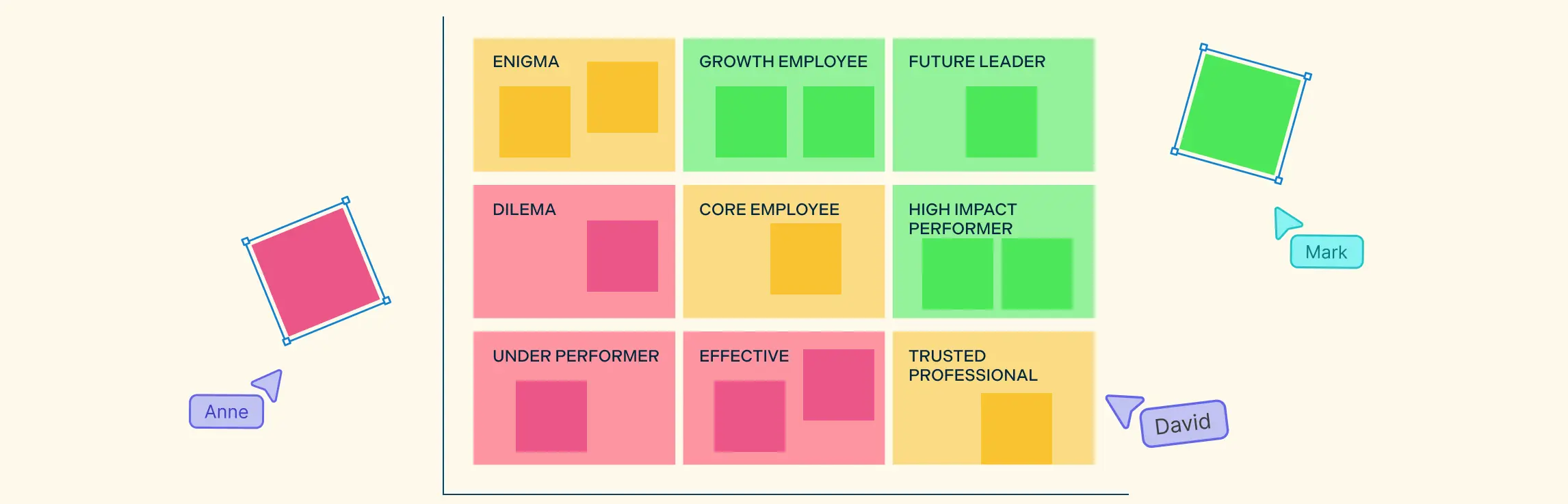
Every team faces the crisis of the leadership pipeline. This guide will show you how to execute a high-impact, strategic 9 box talent review for succession planning. We will explore how to bridge the gap between talent calibration and active pipeline management, ensuring your review process yields a tangible, visual roadmap for your company’s future leaders.
What Is a 9 Box Talent Review?
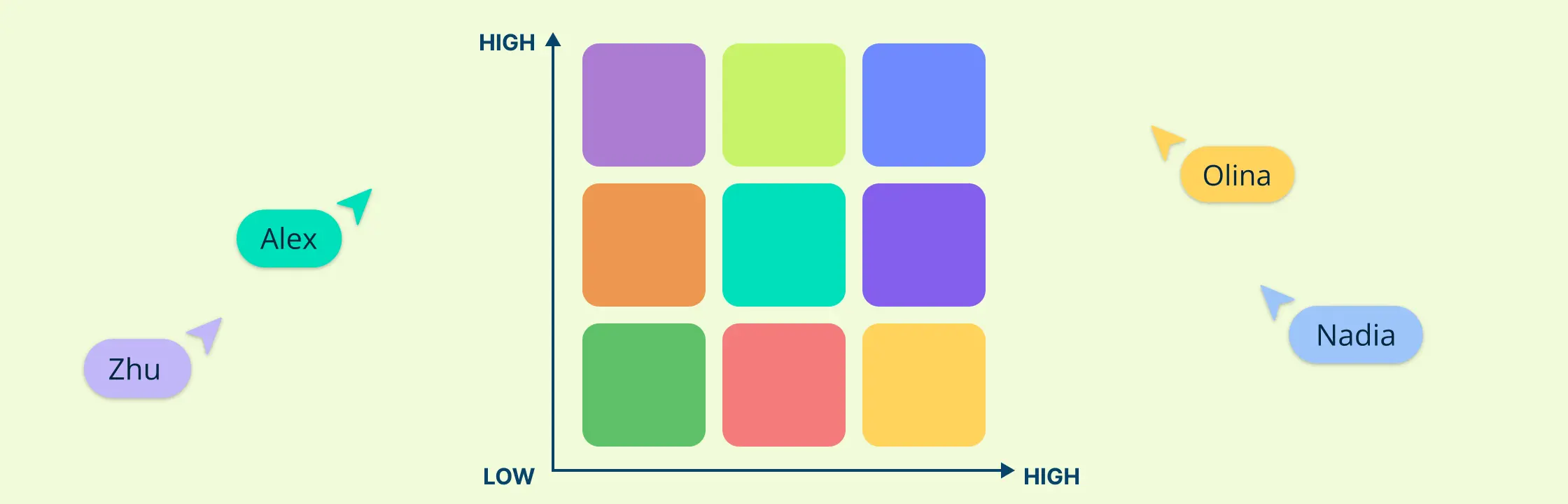
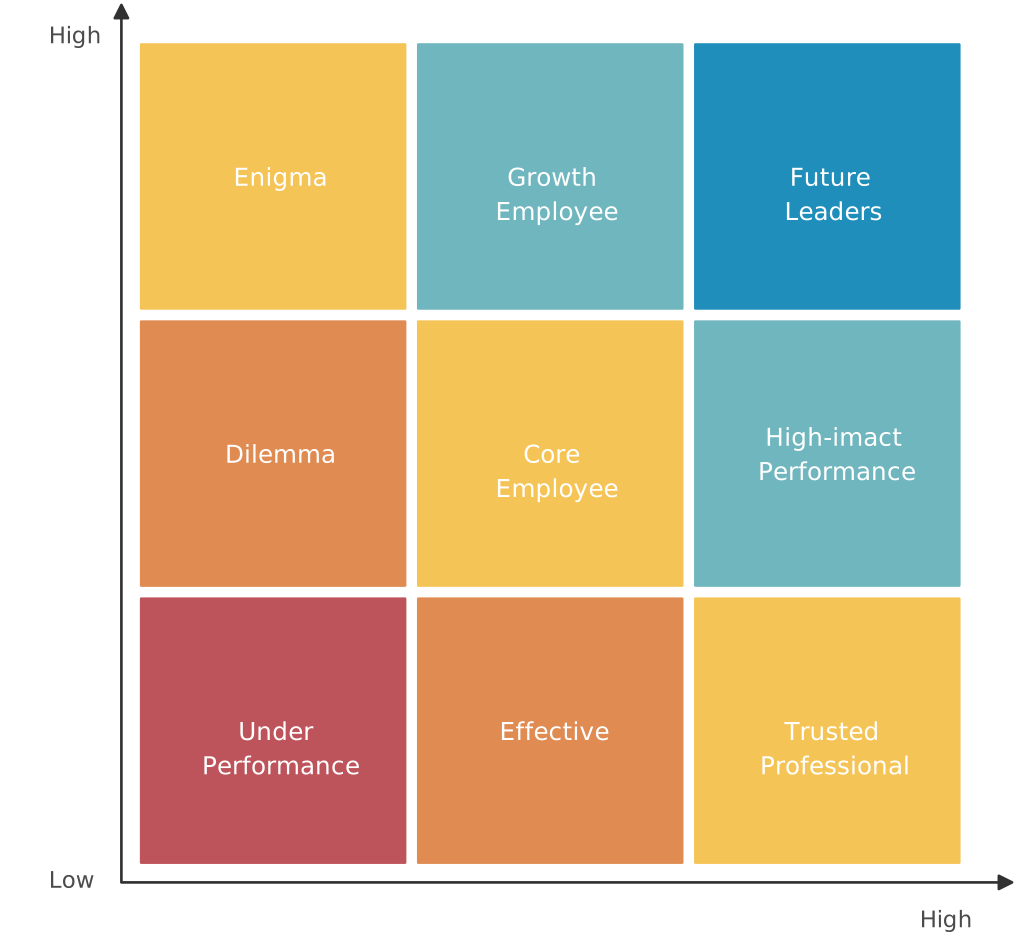
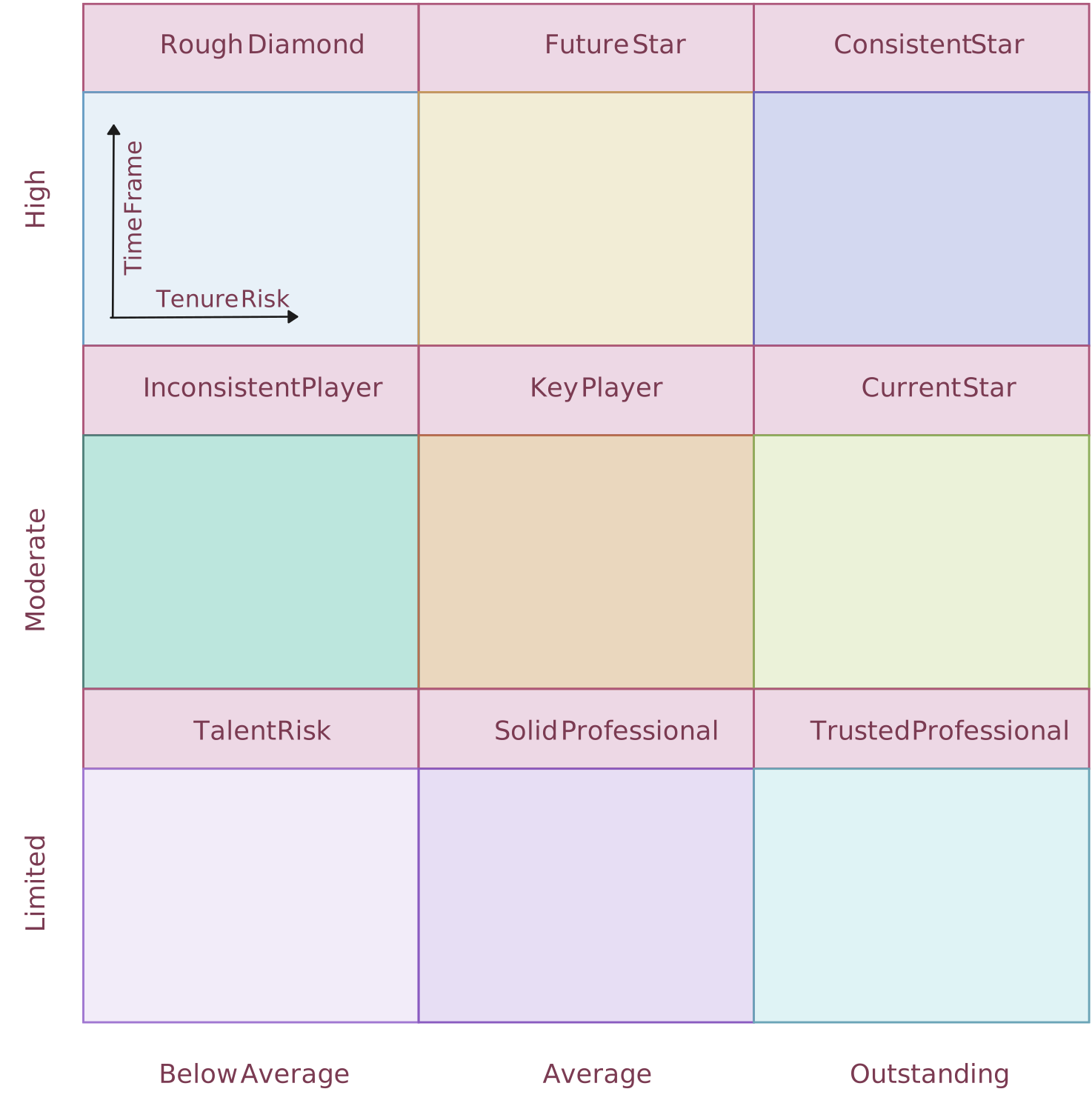
At its core, a 9-box talent review is a strategic matrix used to evaluate an organization’s talent pool based on two key dimensions: past performance and future potential. By plotting employees across a three-by-three grid, leadership teams move beyond anecdotal feedback to gain a clear, visual snapshot of their organizational bench strength.

Why It Matters for Succession
In a succession planning context, the 9-box serves as a diagnostic tool to distinguish between who is “Ready Now” and who requires further grooming.
- Forward-Looking Strategy: Unlike a standard performance review, which looks backward at what was achieved, the 9-box looks forward.
- Role Clarity: It helps you distinguish between your “Core Players,” those who provide essential stability, and your “Stars,” who represent the future of your company.
- Actionable Pipeline: When integrated with a dynamic, unbiased 9-box talent review template, this framework becomes the engine that powers your leadership continuity strategy.
Step 1: Pre-Calibration Visualization & Data Sync
Before the meeting even begins, you need to set the stage for a strategic conversation. This step is about moving beyond a list of names and building a “story” for each talent card. By centralizing data and allowing for independent thought, you ensure that the actual calibration session is spent on high-level decision-making rather than data entry.
Centralize Data with a Purpose
Utilize a 9 box talent review template to import more than just names. Bring in critical “succession signals” like performance ratings, current tenure, and flight risk indicators. When you can see that a “High Potential” employee also has a “High Flight Risk” tag, the succession conversation becomes much more urgent and focused.
Implement Draft Plotting
To avoid the trap of “groupthink,” have managers plot their direct reports on the grid asynchronously before the live session. This allows for a raw, honest assessment. In a visual workspace, you can easily spot where two managers might have vastly different views on the same individual, which becomes a key talking point for Step 2.
Establish Clear Succession Criteria
Don’t leave “Potential” up for interpretation. Define what it means for your organization—whether that is learning agility, emotional intelligence, or the capacity for strategic thinking. Having these definitions pinned to your digital board ensures every manager is using the same yardstick.
Step 2: The Calibration Session - Setting the Succession Stage
Calibration is the most critical phase of the 9 box talent review. It’s where raw data transforms into a strategic blueprint. However, without a structured process, these meetings can easily devolve into subjective debates. To build a reliable pipeline, you need to shift the conversation from “how they are doing” to “where they are going.”
Defining the Bench: Beyond “High Potential”
In a standard review, “High Potential” is often too vague to be actionable. To execute effective 9 box grid succession planning, you must categorize talent based on their timeline for leadership:
- “Ready Now” (The Immediate Successors): These individuals have mastered their current scope and demonstrated the specific competencies required for the next level. They are your primary “Emergency Successors.”
- “Ready in 1-2 Years” (The Strategic Bench): These are your high-velocity players who need one or two specific “stretch” experiences, like managing a larger budget or leading a cross-functional team, before they are fully prepared to step up.
- “Needs Pivot” (The Alignment Check): Sometimes, a high-performer is in the wrong lane. Identifying a “pivot” early allows you to move them into a succession track that actually fits their strengths, preventing burnout or turnover.
Eliminating Bias: Neutralizing the “Loudest Voice”
Traditional calibration meetings often suffer from “recency bias” or the influence of the most senior person in the room. Using a collaborative, visual workspace levels the playing field:
- Asynchronous Input: Allow managers to plot their initial assessments on a shared 9 box talent review template before the meeting. This captures their honest perspective before they are influenced by groupthink.
- Transparent Evidence: When a rating is challenged, the visual board allows you to attach performance data, peer feedback, or project outcomes directly to the talent card. The data does the talking, not the loudest voice.
- Collaborative Consensus: Move talent cards in real-time as the group reaches an agreement. Seeing a name physically move from one box to another creates a sense of collective ownership over the final succession plan.
Visual Logic: Spotting Gaps Before They Become Crises
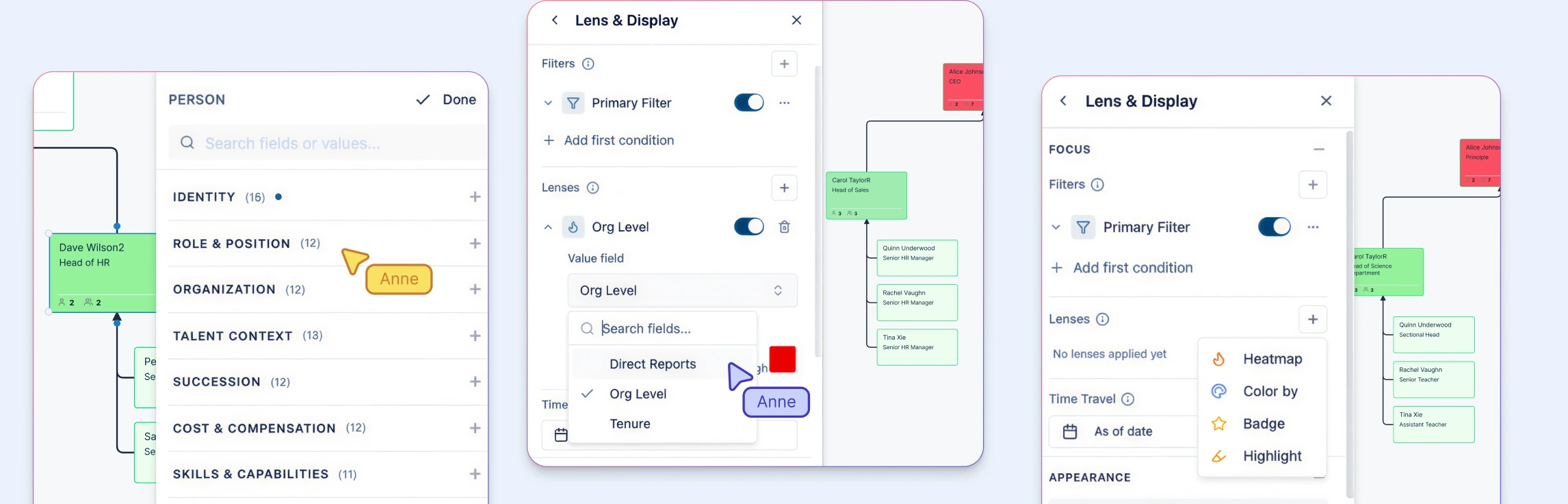
The real power of a visual 9 box talent review is the ability to see “heat maps” of your organizational health. By using color-coded data clusters, you can identify systemic risks that a spreadsheet would hide:
- The “Hollow Middle”: If your board shows plenty of “Stars” (Box 9) and “Core Players” (Box 5) but almost no one in the 1–2 year readiness bracket, you have a looming leadership vacuum.
- The “Silo Trap”: Are all your “Ready Now” successors concentrated in Marketing while Operations has zero bench strength? Visual clusters allow you to facilitate cross-departmental moves to balance the talent load.
- Risk Indicators: Use visual icons to flag “High Flight Risk” individuals. If your only “Ready Now” successor for a VP role has a red flag for turnover risk, your succession plan is currently compromised.
Step 3: Mapping 9-Box Outcomes to Succession Pipelines
| 9-Box Category | Succession Pool Designation | Strategic Action for the Pipeline | Primary Development Focus |
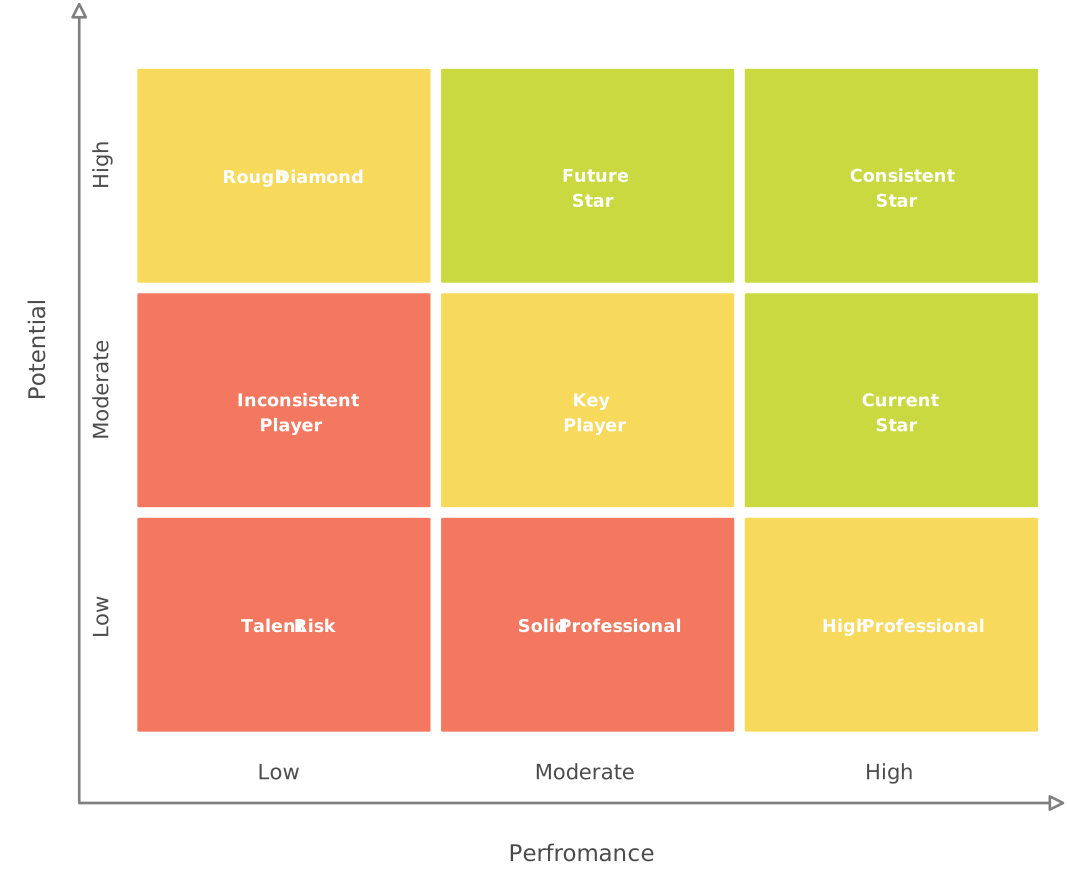
| Box 9: Star Player (High Perf/ High Pot) | "Ready Now" Successors | Link talent cards directly to "Emergency Successor" slots for C-suite or mission-critical roles. | Retention, high-level mentorship, and executive exposure. |
| Box 8: High Potential (Mod Perf/ High Pot) | Strategic Bench (1-2 Years) | Assign to high-visibility "Stretch Projects" to prove performance at the next level. | Closing specific skill gaps to reach "Ready Now" status. |
| Box 7: High Achiever (High Perf/ Mod Pot) | Functional Experts/ Leaders | Map to lateral growth or specialized leadership roles within their current domain. | Leadership soft skills and cross-departmental collaboration. |
| Box 6: Rising Star (Low Perf/ High Pot) | Future Pipeline (2-3 Years) | Investigate performance blockers; move to a "High-Touch Development" pool. | Role alignment, foundational skills, and intensive coaching. |
| Box 5: Core Player (Mod Perf/ Mod Pot) | Operational Stability Group | Identify as "Key Experts" who hold vital institutional knowledge during transitions. | Maintaining engagement and steady performance in current seat. |
| Box 4: Enigma (Low Perf/ Mod Pot) | Potential Pivot Pool | Re-evaluate role fit; determine if they are a better successor for a different functional track. | Performance turnaround or internal departmental transfer. |
| Box 3: Trusted Professional (High Perf/ Low Pot) | Technical/Specialist Continuity | Designate as mentors for incoming talent; ensure they are backups for technical roles. | Upskilling in new technologies or methodologies to maintain expertise. |
| Box 2: Effective Employee (Mod Perf/ Low Pot) | Contingent Support | Monitor for steady contribution; typically not prioritized for vertical succession. | Incremental performance improvement and role mastery. |
| Box 1: Underperformer (Low Perf/ Low Pot) | Risk Management | Flag as a potential vacancy on your board; initiate backfill or external hiring plans. | Performance Improvement Plan (PIP) or exit strategy. |
Step 4: Development Activation
A succession plan is only as good as the development that fuels it. If the 9 box talent review ends when the meeting does, you haven’t built a pipeline—you’ve just made a list. This stage is about turning those plotted points into personalized growth trajectories that ensure your organization is never caught off guard by a leadership vacancy.
Closing the Gap for the “Ready in 1-2 Years” Pool
These individuals are your strategic bench. To move them into the “Ready Now” category, you must bridge the gap between their current skills and future requirements. Use your visual board to assign specific “Stretch Assignments” directly to their talent cards, such as leading a cross-functional task force, managing a budget for the first time, or overseeing a digital transformation project.
Retention Strategy for High-Potential Talent
Your Box 6, 8, and 9 individuals are your competitors’ top targets. To secure their commitment, move them immediately into a high-touch Retention Pool. This involves assigning executive mentors and creating “Stay Interviews” to ensure their career aspirations align with the company’s trajectory. Visualizing this connection on your board makes it clear that these individuals are being groomed for the future.
The Pivot Plan for “Core Players”
Not every high-performer wants—or should be—a people leader. For your Box 5 “Core Players,” the goal is continuity, not necessarily promotion. Map these individuals to “Expert or Technical Continuity Tracks.” By recognizing them as indispensable subject matter experts rather than “stalled” managers, you protect your institutional knowledge and keep your most reliable contributors engaged.
Step 5: Continuous Monitoring & Board Refresh
Succession planning is often treated as a static annual event, but in a high-growth environment, it must be a living document. The true strength of 9 box grid succession planning lies in its ability to adapt as your people grow and your organizational needs shift.
Live Updates and Real-Time Continuity
A leadership pipeline is only reliable if it reflects current reality. As individuals complete the “Stretch Assignments” defined in Step 4, or as organizational roles evolve, update your pipeline board immediately. By maintaining a live connection between your 9-box talent review template and your succession pipelines, you ensure that the board you look at today is the one you can rely on for an emergency transition tomorrow.
Velocity Tracking
Beyond current placement, you need to monitor “Talent Velocity”, the speed and direction in which an employee is moving across the grid. Use your visual workspace to track if individuals are moving “up and to the right” over time. If a “High Potential” remains in the same box for several review cycles, it is a clear signal that your development engine has stalled, requiring a strategic intervention or a re-evaluation of their trajectory.
9 Box Talent Review Examples for Leadership Continuity
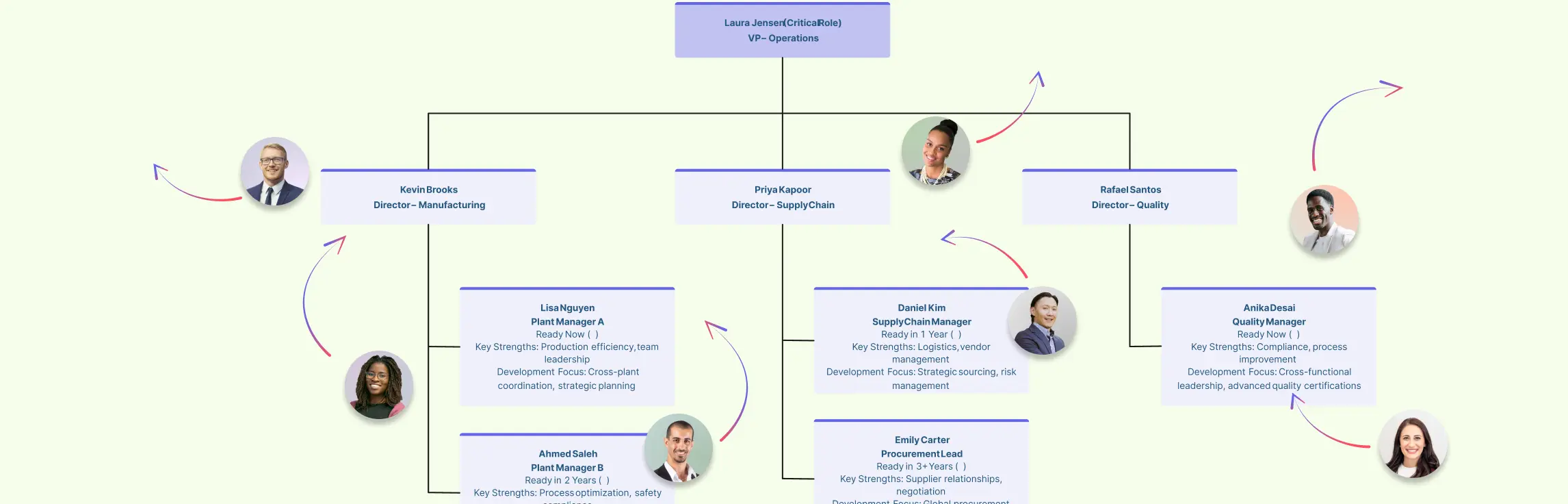
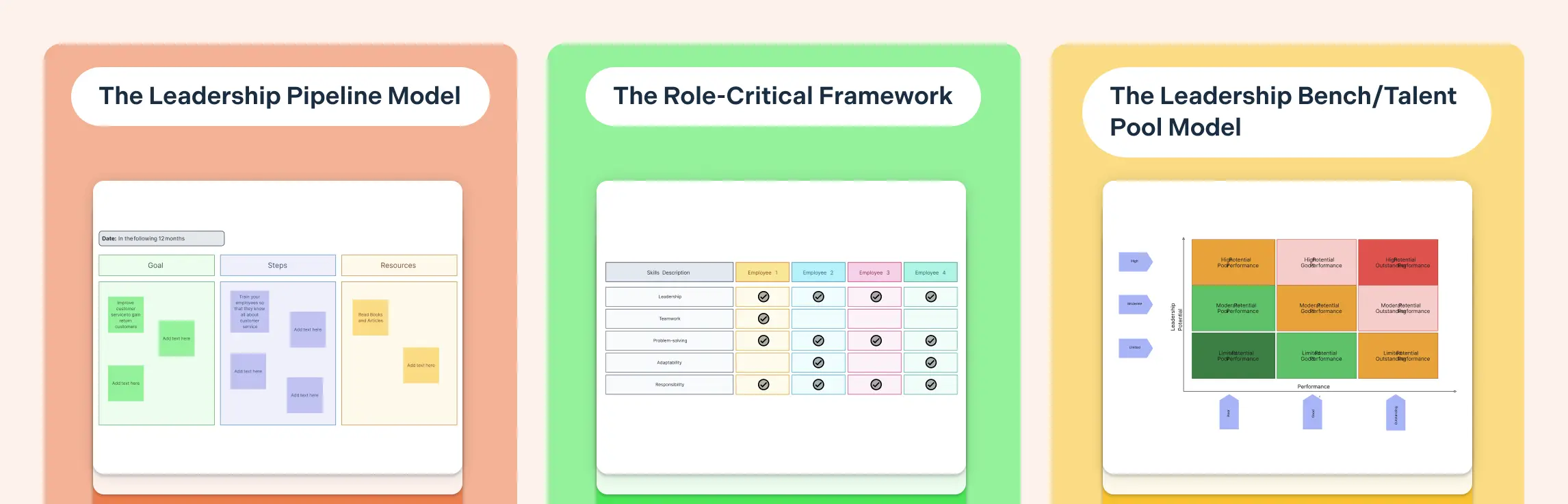
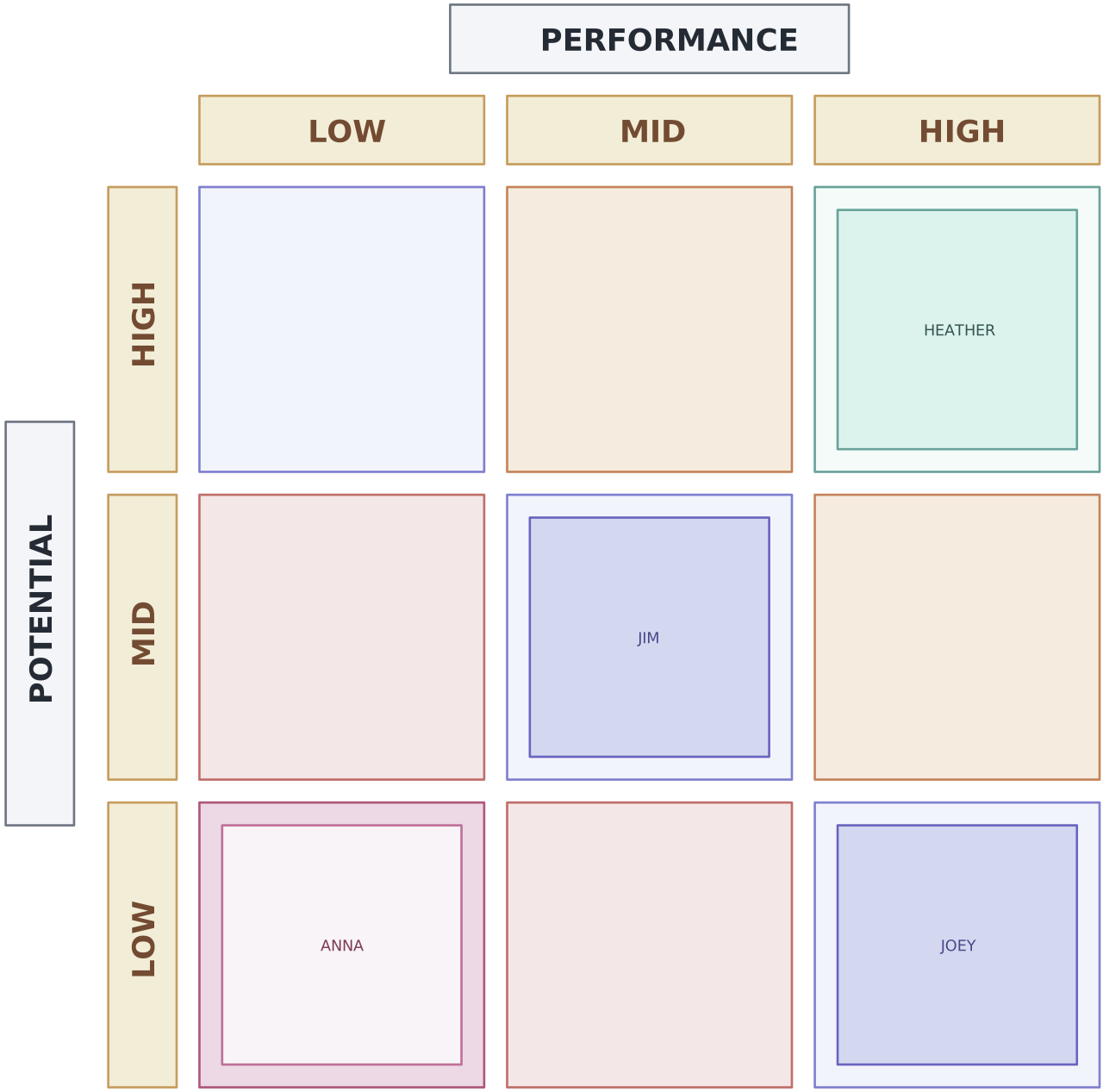
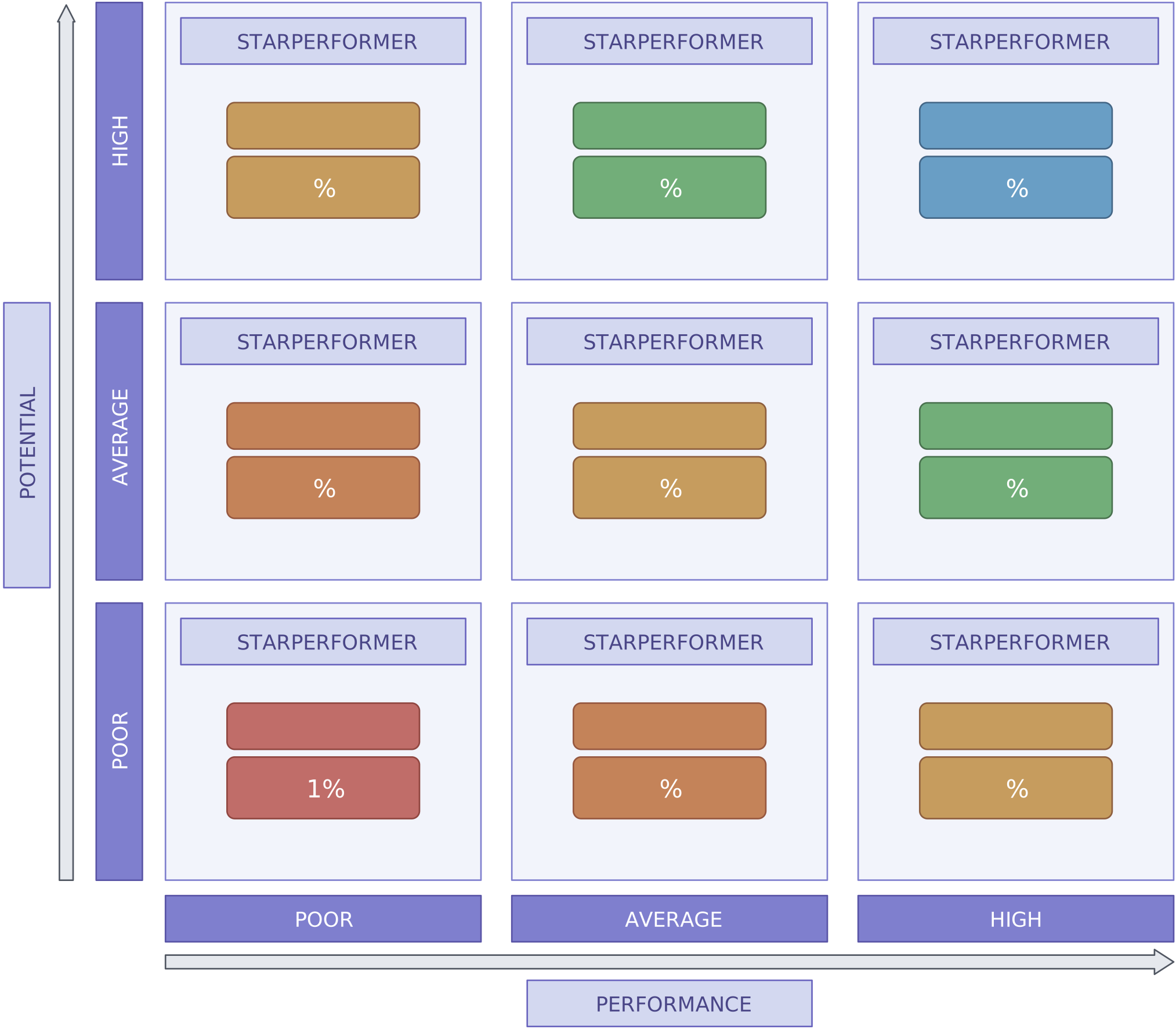
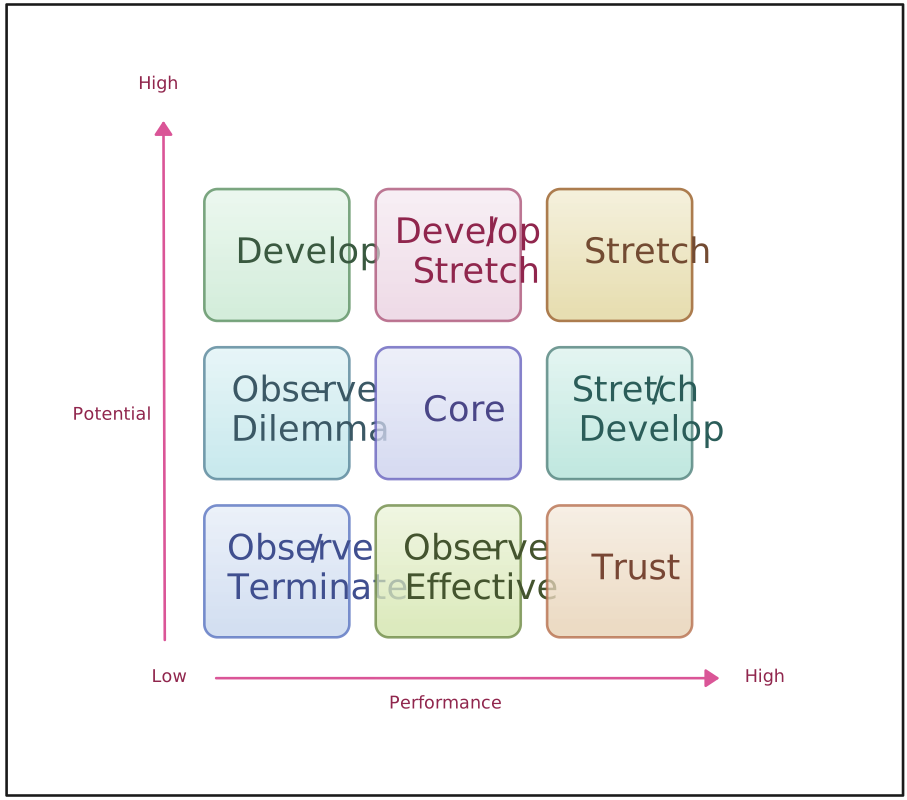
Don’t let your strategy get stuck in a static document. Use these purpose-built templates to turn your calibration data into a living, breathing succession pipeline. Whether you are conducting a high-stakes board review or mapping out technical bench strength, these visual boards help you spot gaps and activate development plans with a single click.
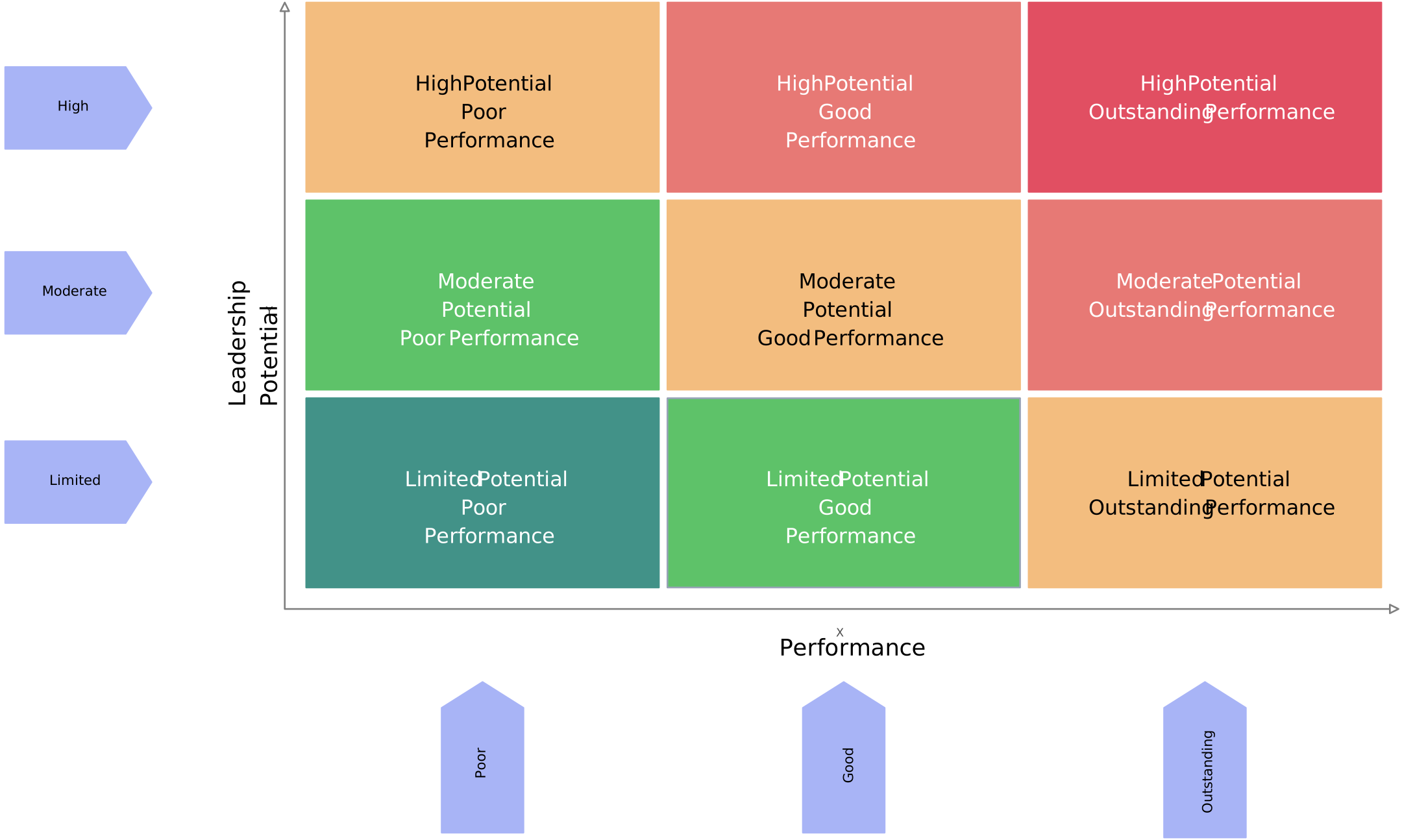


Building a resilient leadership pipeline requires moving beyond the “set it and forget it” mentality of traditional HR. By following this five-step process—from pre-calibration data syncing to real-time velocity tracking—you transform the 9 box talent review into a dynamic engine for growth. We’ve covered how to eliminate bias, map specific outcomes to successor pools, and activate development plans that actually bridge the gap for your rising stars. Don’t let your strategic talent data sit idle in a flat file.
Ready to secure your leadership future? Try Creately and start building your succession pipeline today.
Helpful Resources
Learn what is succession planning and how it helps organizations to continue their growth
Learn how to make a succession plan that aligns with your company growth strategy
Explore the succession planning frameworks for your leadership strategy while comparing the big three succession planning models
Explore real-world succession planning examples and visual roadmaps that actually work for modern teams
Discover how this talent management tool works, define every category in the 9-box model, and provide a step-by-step framework to build your own succession planning roadmap.