Family therapy can be messy. Multigenerational patterns, hidden loyalties, unspoken debts, and conflicting expectations often leave both clients and therapists feeling overwhelmed. That’s where contextual family therapy shines, it provides a structured, ethically grounded approach to understanding fairness, trust, and accountability across generations. In this guide, we’ll explore the core concepts, dimensions, and practical techniques of contextual family therapy, while showing how visual tools like genograms and family trees can help therapists map complex relationships, reduce overwhelm, and bring clarity to even the most complicated family systems.
What Is Contextual Family Therapy?
Contextual family therapy is a relational, ethically grounded therapeutic model developed by Ivan Boszormenyi-Nagy, often referred to as Nagy’s contextual family therapy. At its core, the approach focuses on fairness, trust, accountability, and multigenerational influence, elements that often go unspoken but deeply shape how families function.
Where many therapy models focus on behaviors, communication patterns, or emotional responses, contextual family therapy goes a step deeper. It looks at the relational ethics underneath family interactions, the invisible expectations, unbalanced obligations, and loyalties that quietly shape how family members treat each other. Instead of asking only “How do you feel?” or “What’s the pattern?”, this model asks, “What is fair?” and “What has each person given or received across generations?”
What Makes It Different from Other Models
Unlike Structural, Strategic, or Bowenian approaches that focus on patterns, hierarchy, or emotional functioning, contextual model of psychotherapy asks deeper questions about justice and balance. It maps the family’s “moral ledger”; who gives, who receives, and how those exchanges shape trust and conflict.
Because it uncovers hidden loyalties, generational debts, and long-standing entitlements, contextual family therapy helps families break cycles that span decades. By bringing these ethical imbalances into the open, therapists can guide clients toward accountability, forgiveness, and exoneration, creating more balanced and trustworthy relationships.
Who Can Benefit from Contextual Family Therapy?
Contextual family therapy is particularly helpful for:
- Individuals, couples, and families struggling with intergenerational patterns of conflict, neglect, or unresolved issues.
- Those experiencing loyalty conflicts, such as feeling torn between their family of origin and a spouse or partner.
- People dealing with deep-seated guilt, resentment, or a sense of unfairness in their family relationships.
- Families affected by parentification or other forms of relational imbalance.
- Situations requiring healing from past relational injuries or betrayals.
- Individuals seeking to understand and break free from destructive entitlement.
- Families aiming to build greater trust and mutual accountability across generations.
What Does Contextual Family Therapy Help Resolve?
Contextual family therapy is designed to address a wide range of relational and intergenerational challenges. It helps families and individuals uncover hidden dynamics, restore balance, and create healthier patterns of interaction. Some common issues it can help resolve include:
- Hidden or unbalanced loyalty binds that create tension or guilt across family members.
- Unresolved intergenerational conflicts, including repeated patterns of neglect, favoritism, or emotional distance.
- Feelings of unfairness or inequity in family roles, responsibilities, or emotional support.
- Parentification and role reversals, where children take on adult responsibilities prematurely.
- Resentment, guilt, and unresolved emotional debt that accumulate across generations.
- Issues of entitlement and relational obligations, helping clarify who owes what in family dynamics.
- Broken trust and relational fractures, supporting accountability, exoneration, and repair.
By visually mapping these dynamics with genograms or family trees, therapists can make these complex patterns immediately understandable, helping clients gain clarity, reduce emotional overwhelm, and work toward relational balance.
The 4 Dimensions of Contextual Family Therapy
Contextual family therapy organizes a family’s story into four interconnected dimensions. These layers help therapists see the whole picture quickly, especially when cases are complex, emotionally charged, or include long histories of unresolved hurt.
1. Facts
The facts dimension includes concrete, objective elements: ages, births, deaths, illnesses, socioeconomic conditions, cultural background, or major life events.
Example: A therapist notes that the eldest child took on adult responsibilities early because a parent was chronically ill.
This helps practitioners anchor the therapeutic work in reality, without losing sight of how circumstances shape behavior.
2. Psychology
The psychology dimension focuses on each individual’s internal world—temperament, beliefs, emotional responses, trauma history, and coping styles.
Example: A father who grew up feeling unseen may overcompensate by being overly protective of his children.
This layer shows therapists how personal vulnerabilities and emotional histories influence present interactions.
3. Transactions
Transactions refer to the patterns of interaction within the family, roles, communication styles, boundaries, expectations, and repeated behaviors.
Example: A younger sibling consistently mediates arguments, becoming the “peacemaker,” while others lean on them without realizing the burden.
This dimension highlights the live, day-to-day relational dance that keeps certain cycles active.
4. Relational Ethics
The heart of contextual therapy, relational ethics examines fairness, trust, loyalty, entitlement, and the invisible balance sheet of giving and receiving.
Example: A parent who sacrificed heavily expects lifelong loyalty, creating pressure that the child doesn’t fully understand.
This dimension helps therapists uncover the hidden imbalances that often drive resentment, conflict, or disconnection.
Core Contextual Family Therapy Concepts
Invisible Loyalty in Contextual Family Therapy
Invisible loyalty refers to the powerful, often unspoken obligations family members feel toward parents, siblings, or ancestors. These loyalties can push individuals to sacrifice their own needs in order to “stay faithful” to the family system.
Example: An adult child chooses an unwanted career path because it fulfills a parent’s unspoken expectations.
Understanding invisible loyalty helps therapists uncover the hidden forces that drive behavior across generations.
Ledger of Merits in Contextual Family Therapy
The ledger of merits represents the internal balance sheet of giving and receiving within family relationships. When the ledger is balanced, trust and connection grow; when it’s uneven, resentment and distance often follow.
Example: A sibling who supported the family financially for years may feel unheard or unappreciated later, leading to conflict.
Mapping this “family ledger” visually can help clients see where fairness broke down—and how to restore it.
Entitlement in Contextual Family Therapy
In contextual therapy, entitlement doesn’t mean selfishness; it refers to the earned right to receive care, respect, and fairness based on past contributions. When entitlement is unmet or unearned entitlement grows, relationships become strained.
Example: A parent who gave extensively during childhood may expect loyalty, while a child may feel entitled to autonomy regardless of past support.
Exploring entitlement helps clarify where expectations come from and whether they’re fair.
Exoneration in Contextual Family Therapy
Exoneration is the process of understanding a family member’s past actions within the broader context of their own struggles, limitations, or trauma. It’s not excusing behavior, but reframing it so healing can begin.
Example: A client may soften resentment toward a parent after understanding the hardships that shaped their parenting.
Exoneration creates space for empathy, accountability, and relational repair.
Multigenerational Influence & Relational Ethics
Contextual family therapy emphasizes how ethical imbalances travel across generations, affecting loyalty, entitlement, trust, and conflict.
Example: A pattern of emotional neglect might begin with a grandparent’s unresolved trauma and cascade through three generations.
Through the lens of relational ethics, therapists can help families understand how these inherited patterns form, and how to break them through fairness, accountability, and balanced giving.
Key Contextual Family Therapy Techniques & Interventions
Tracking Relational Debts & Credits
One of the most practical tools in contextual family therapy is helping clients identify where giving and receiving have become unbalanced. Families often feel the effects of these imbalances long before they can articulate them. By tracking relational debts and credits, emotional labor, financial support, caregiving roles, or sacrifices made without recognition, therapists help clients understand why certain relationships feel heavy or unfair. Visualizing this on a genogram or relationship map immediately clarifies patterns that might otherwise take weeks to uncover.
Using the Ledger to Explore Fairness
The “ledger” becomes a shared language for talking about fairness without blaming. Many families know something feels “off,” but they can’t pinpoint where trust broke down. Using the ledger framework, therapists guide clients through the history of contributions and expectations to identify unmet needs or overextended responsibilities. When this is mapped visually, everyone can see the relational imbalance objectively, making conversations less charged and more collaborative.
Dialogical Processes
Dialogical processes encourage honest, respectful conversations that allow each person’s perspective to come forward. In many families, years of tension or misunderstanding make these conversations difficult to start. Contextual therapy uses dialogue to slow the emotional tempo, rebuild trust, and help members recognize the meaning behind each other’s actions. Visual references, like a genogram that highlights past influences, make these dialogues richer and more grounded, reducing the emotional friction that often derails progress.
Encouraging Accountability
Accountability in contextual therapy is about mutual responsibility, not fault-finding. Therapists help clients acknowledge their role in imbalances, whether through overgiving, withdrawing, avoiding conflict, or relying too heavily on another family member. This balanced accountability creates space for repair rather than defensiveness. When clients see their part mapped within a broader family pattern, accountability feels empowering rather than accusatory.
Multigenerational Reframing
Multigenerational reframing helps clients understand that current patterns rarely start in the present, they’re rooted in the experiences, traumas, and loyalties of earlier generations. This reframing reduces self-blame and helps families see their challenges as part of a larger story. A visual tool like a genogram makes these multigenerational links instantly visible, transforming complex histories into understandable narratives that support faster therapeutic insight.
Interventions Based on Exoneration & Relational Repair
Exoneration allows clients to reinterpret past hurts within the context of a family member’s own limitations, burdens, or history. It doesn’t excuse harmful behavior; it provides a fuller picture that opens the door to compassion and healing. This shift often leads to authentic relational repair, where trust and fairness can be rebuilt. When exoneration is supported with a visual timeline or genogram, clients grasp the generational context more easily, making emotional release and repair feel natural rather than forced.
Genograms & Family Trees for Contextual Family Therapy
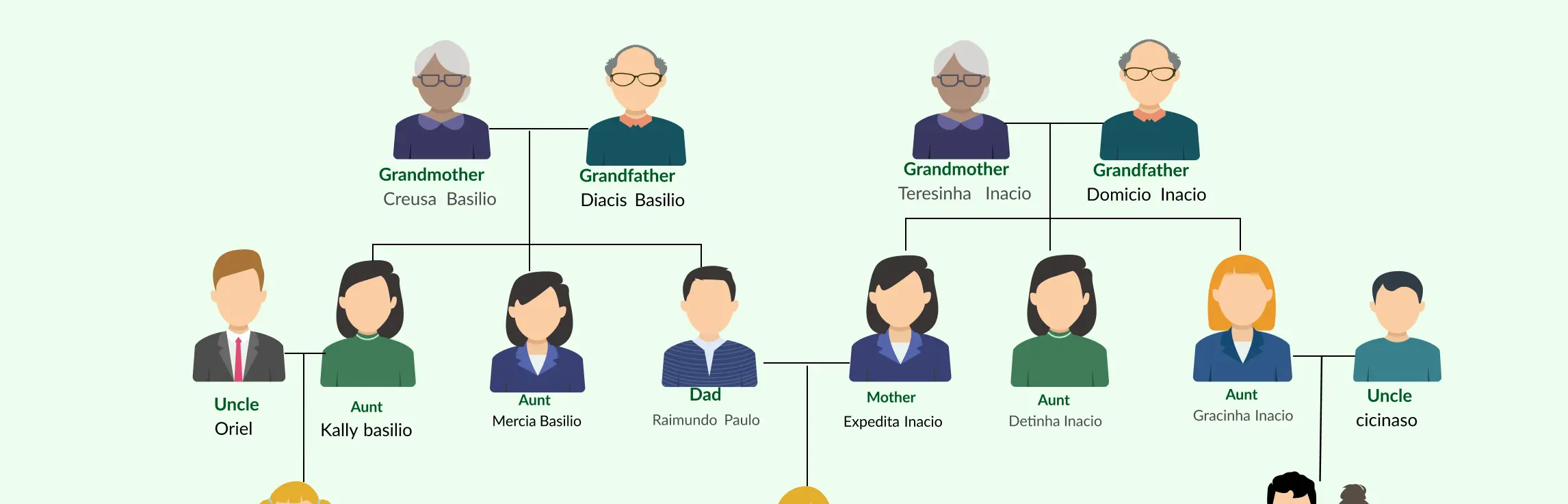
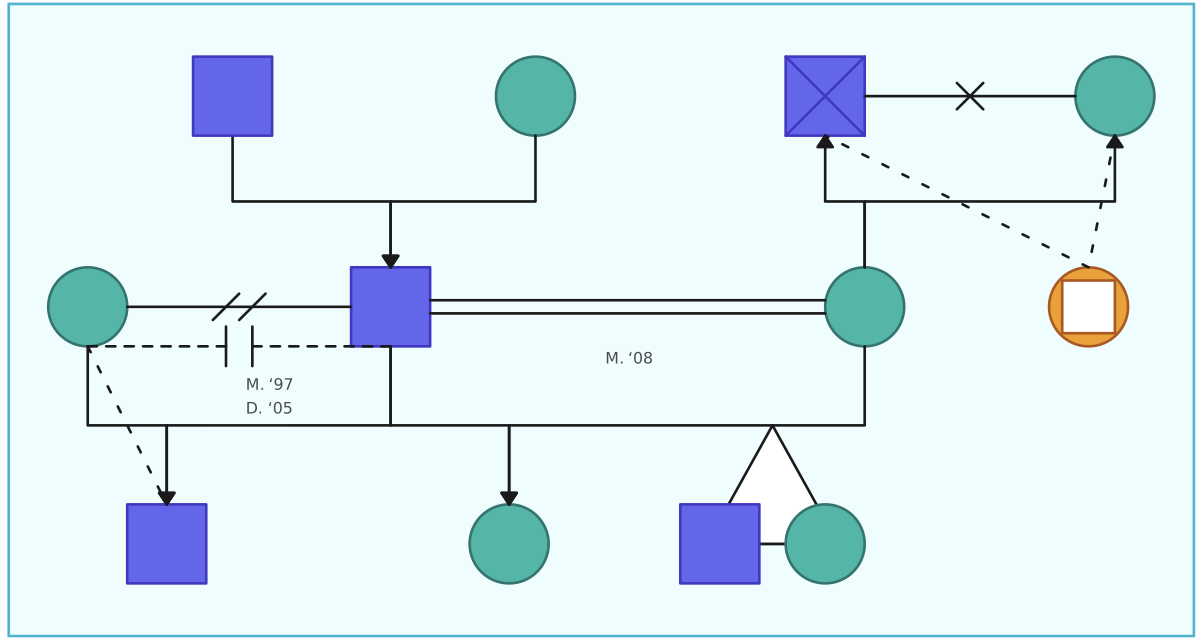
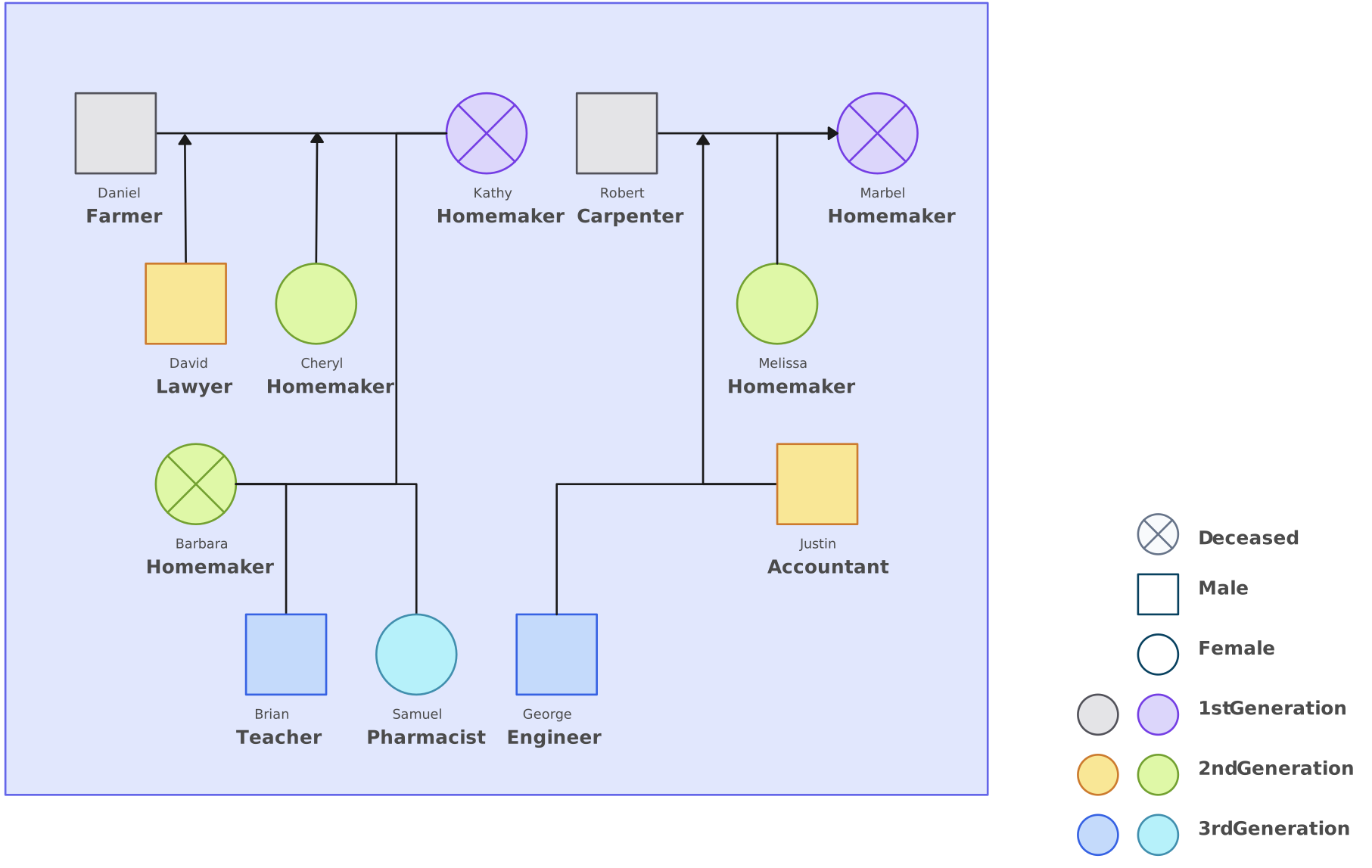
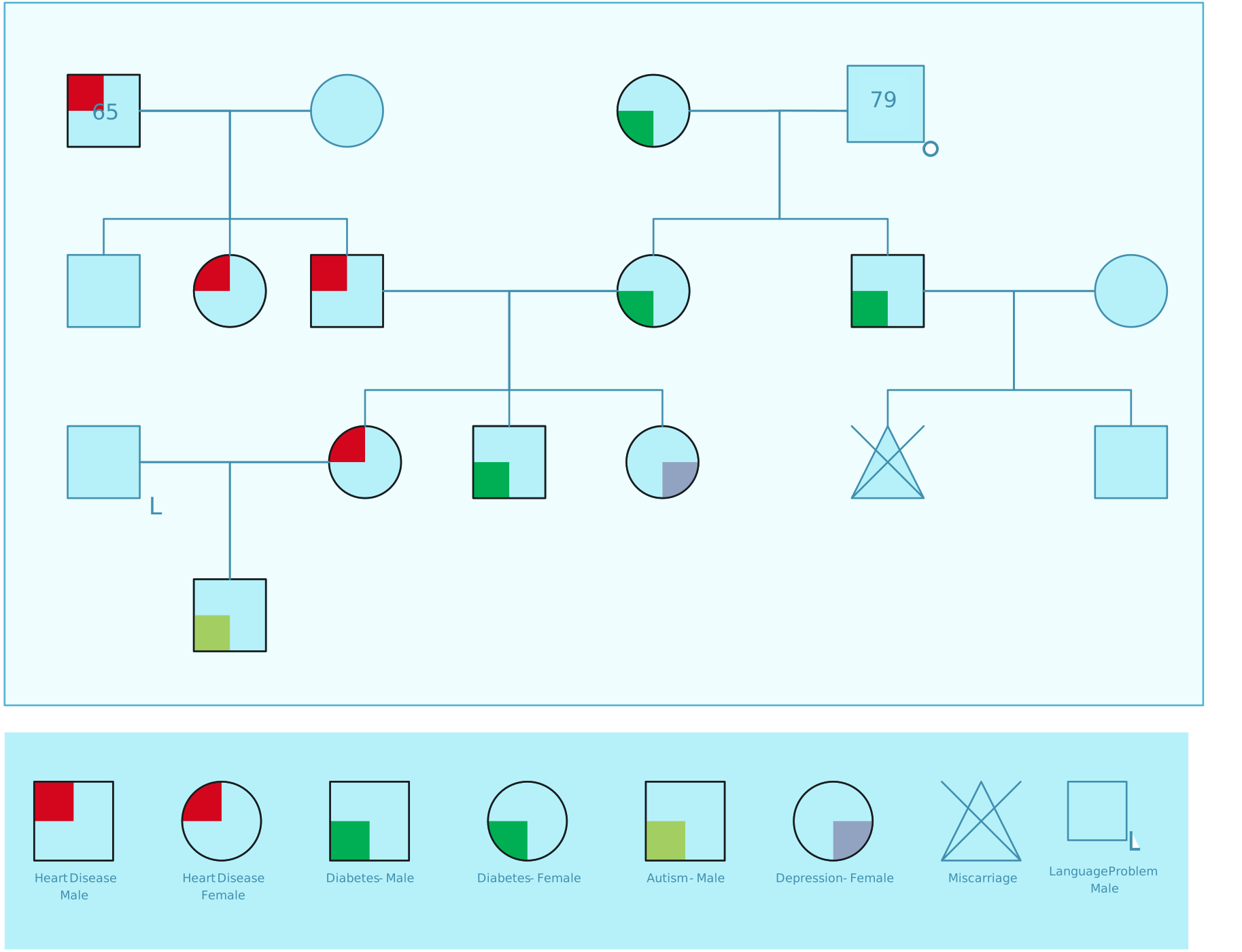
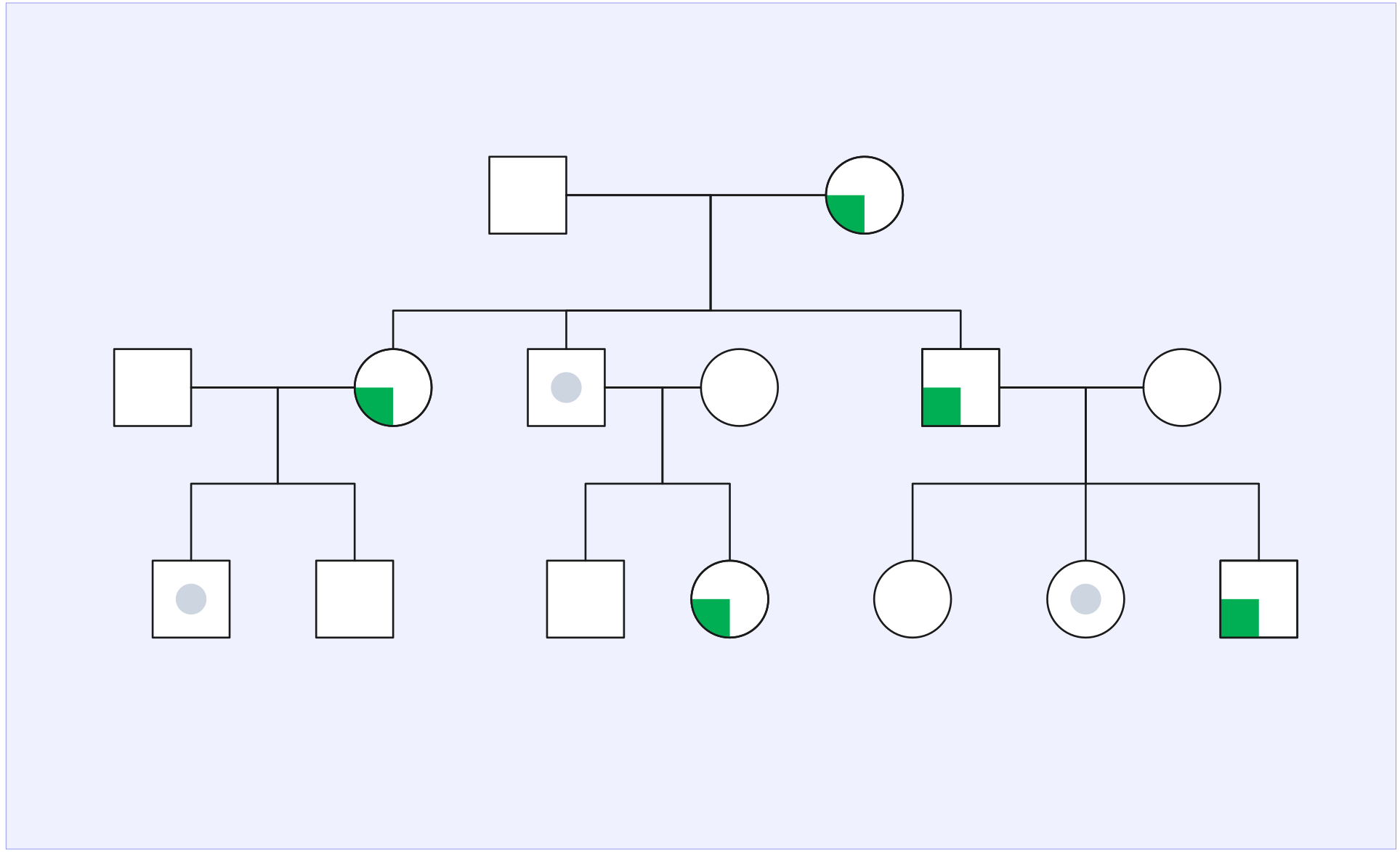
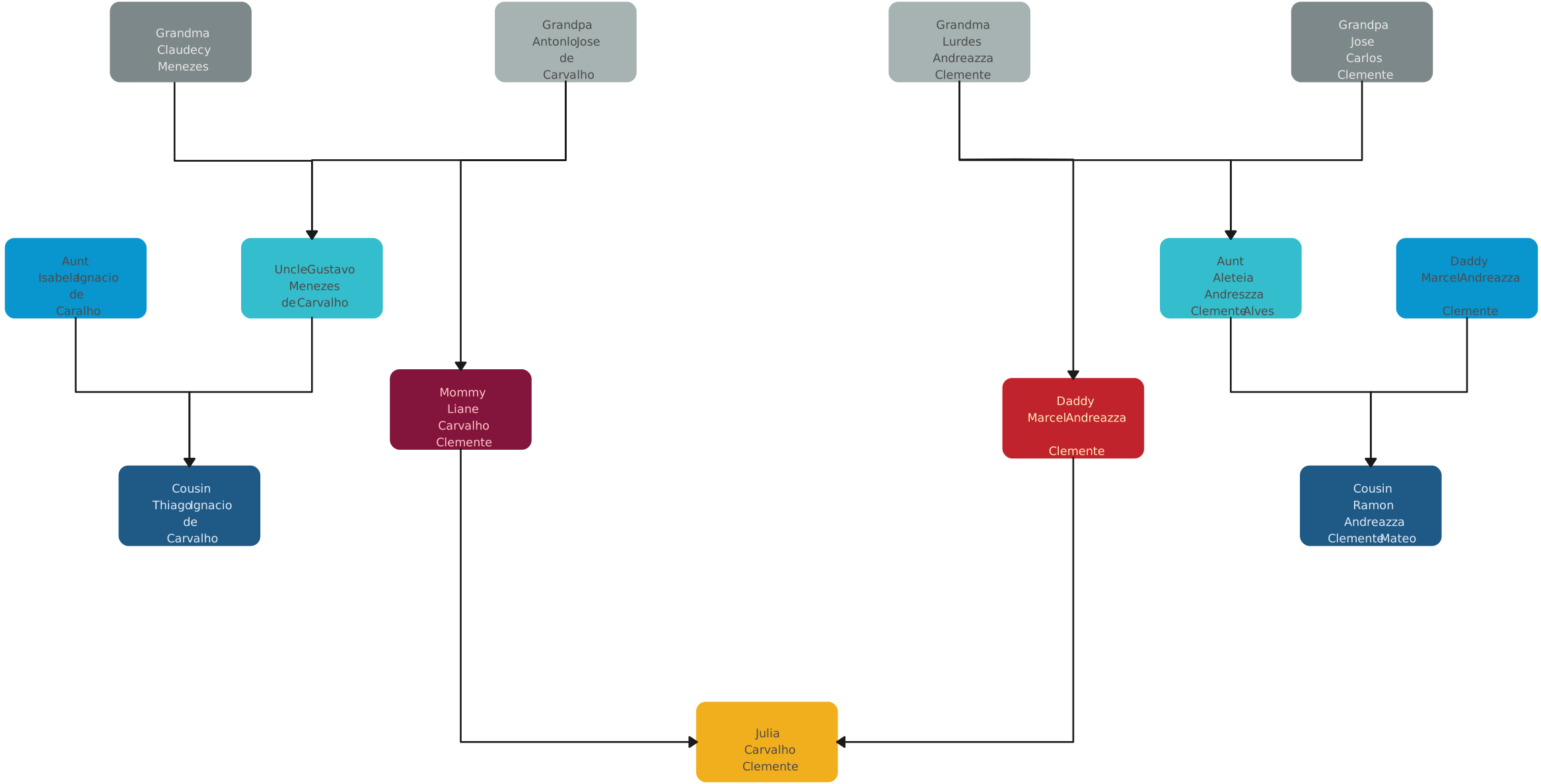
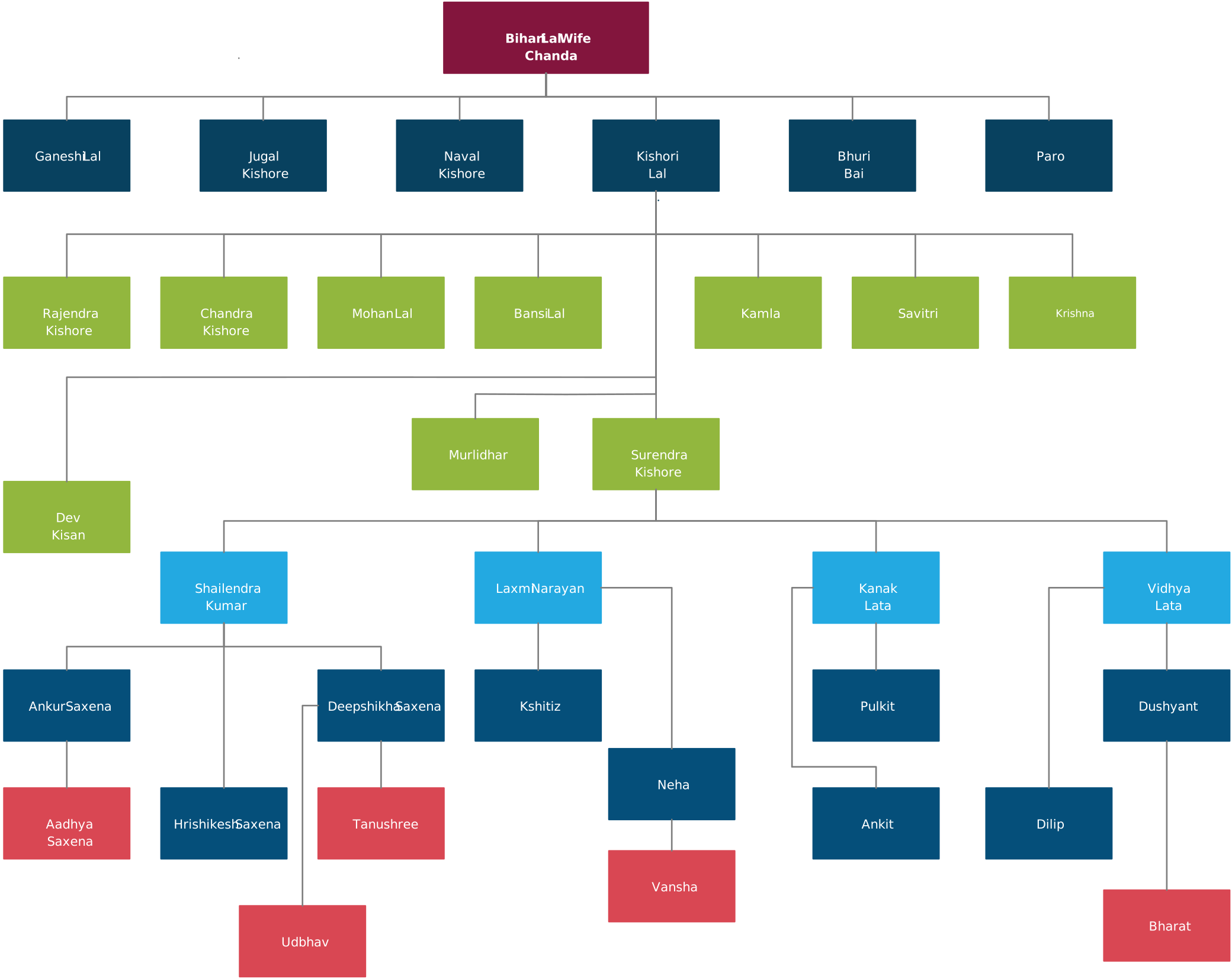
Visual tools are a game-changer in contextual family therapy. They help therapists make sense of complex relational patterns, hidden loyalties, and multigenerational debts quickly and clearly. Creately stands out as an intuitive genogram software and family tree creator, making it easier to map, analyze, and share these insights without getting lost in scattered notes.
Genogram Templates to Map Loyalty, Debts, and Relational Ethics
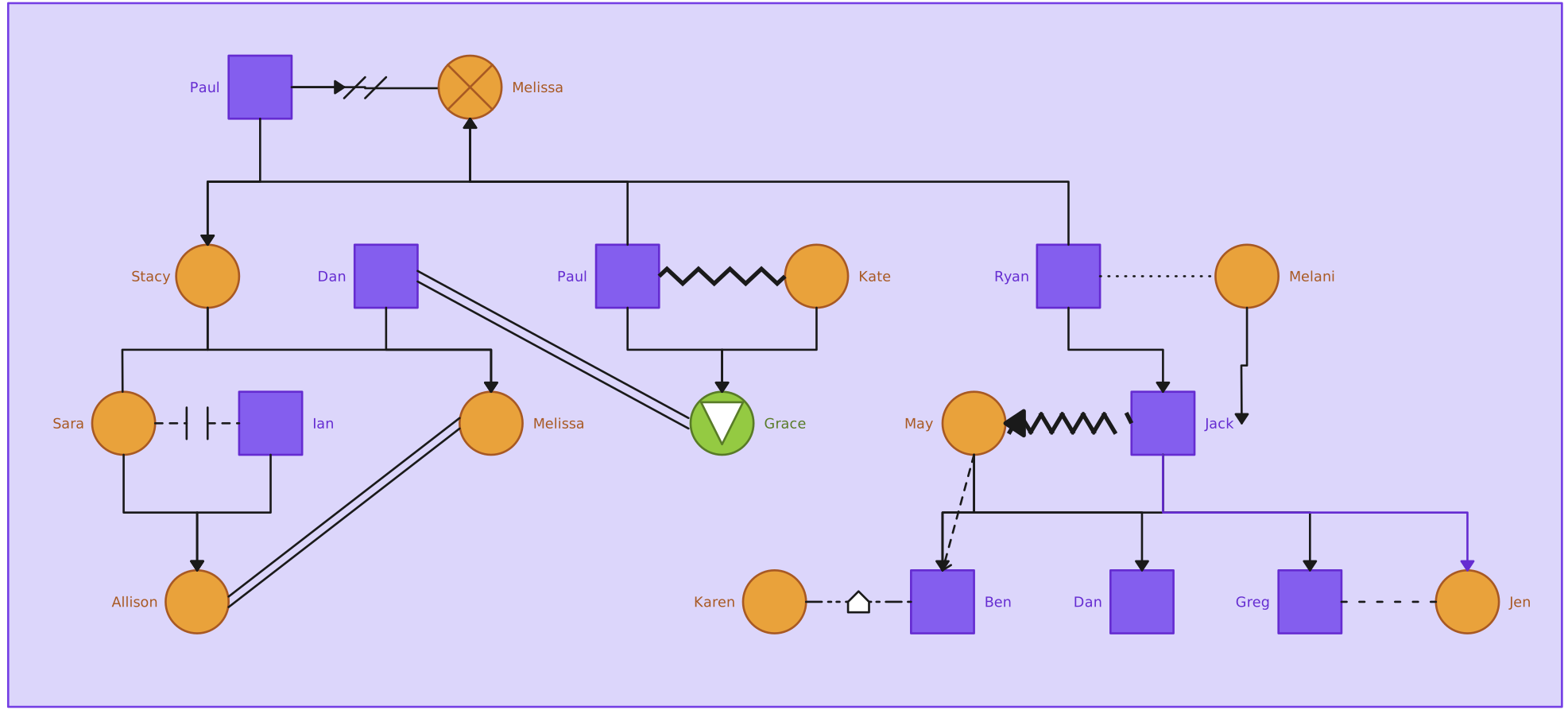
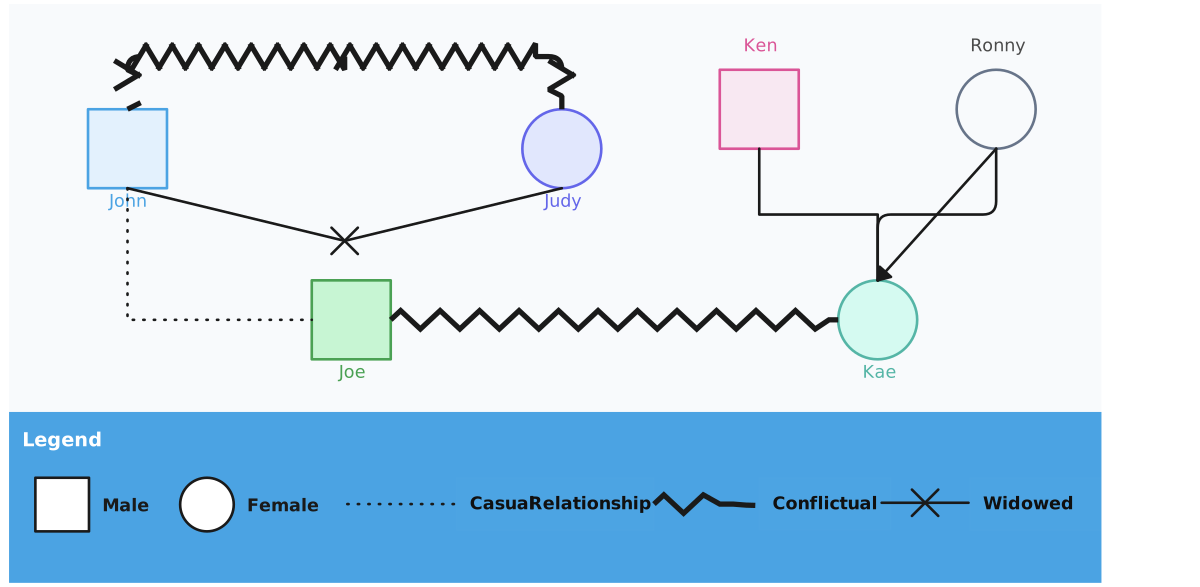
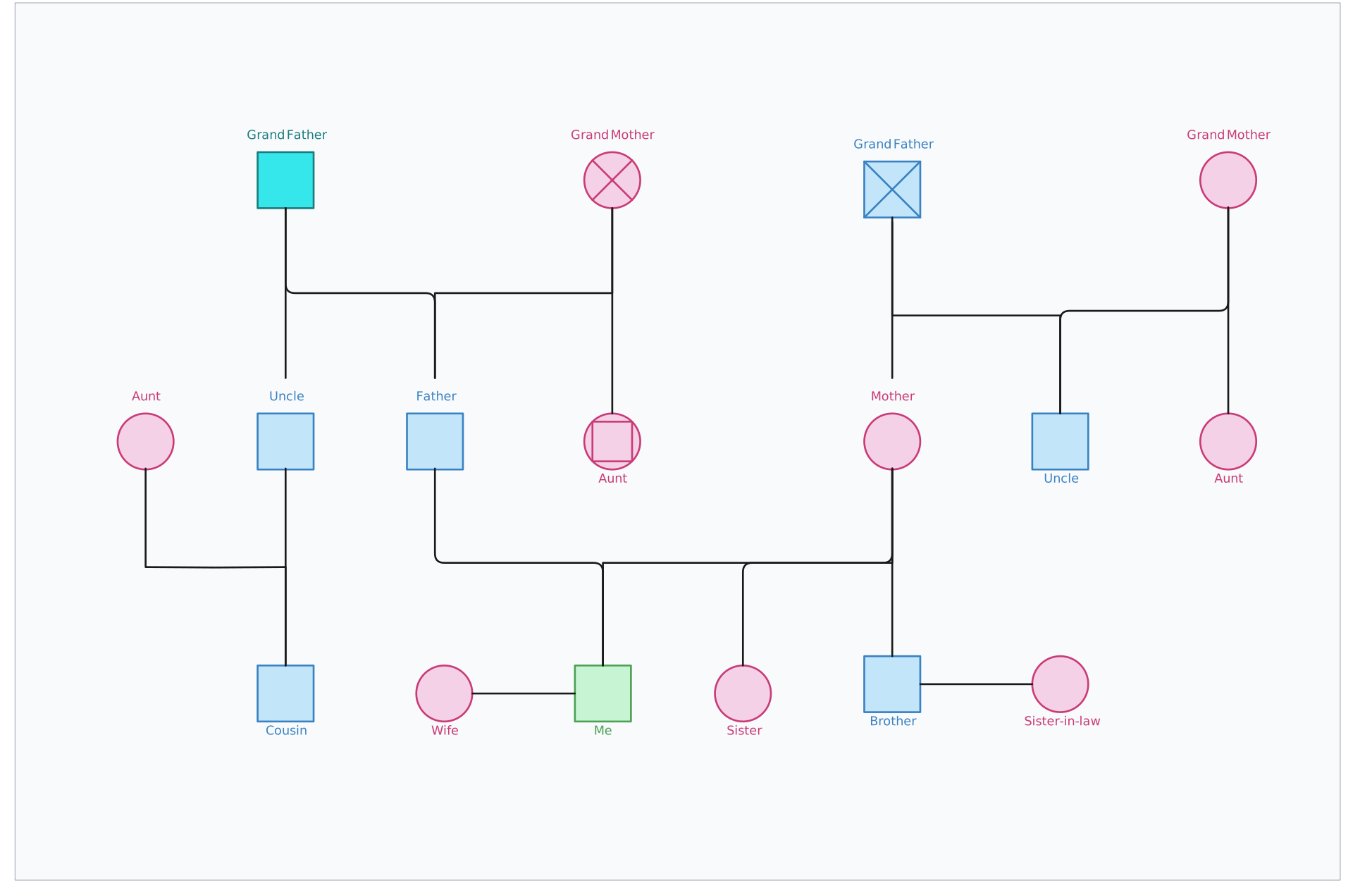
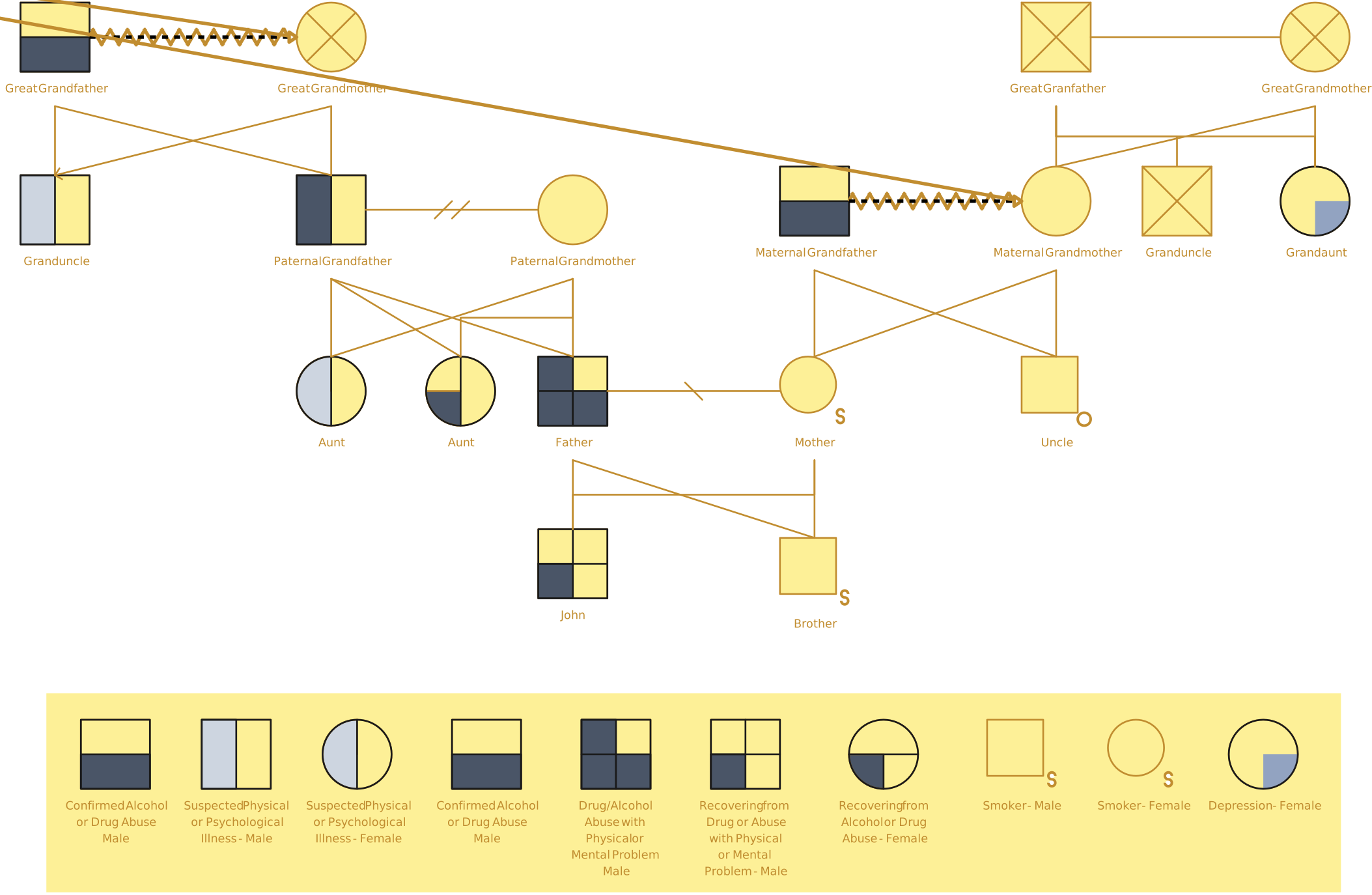
Using genogram templates in Creately, therapists can visually track invisible loyalties, relational ethics, and the family’s ledger of merits. Each symbol or marker represents trust, obligations, or entitlements, helping clients understand the balance (or imbalance) in their relationships. These ready-to-use templates save time and make complex family histories instantly readable.


Family Tree Templates to Visualize Multigenerational Insights
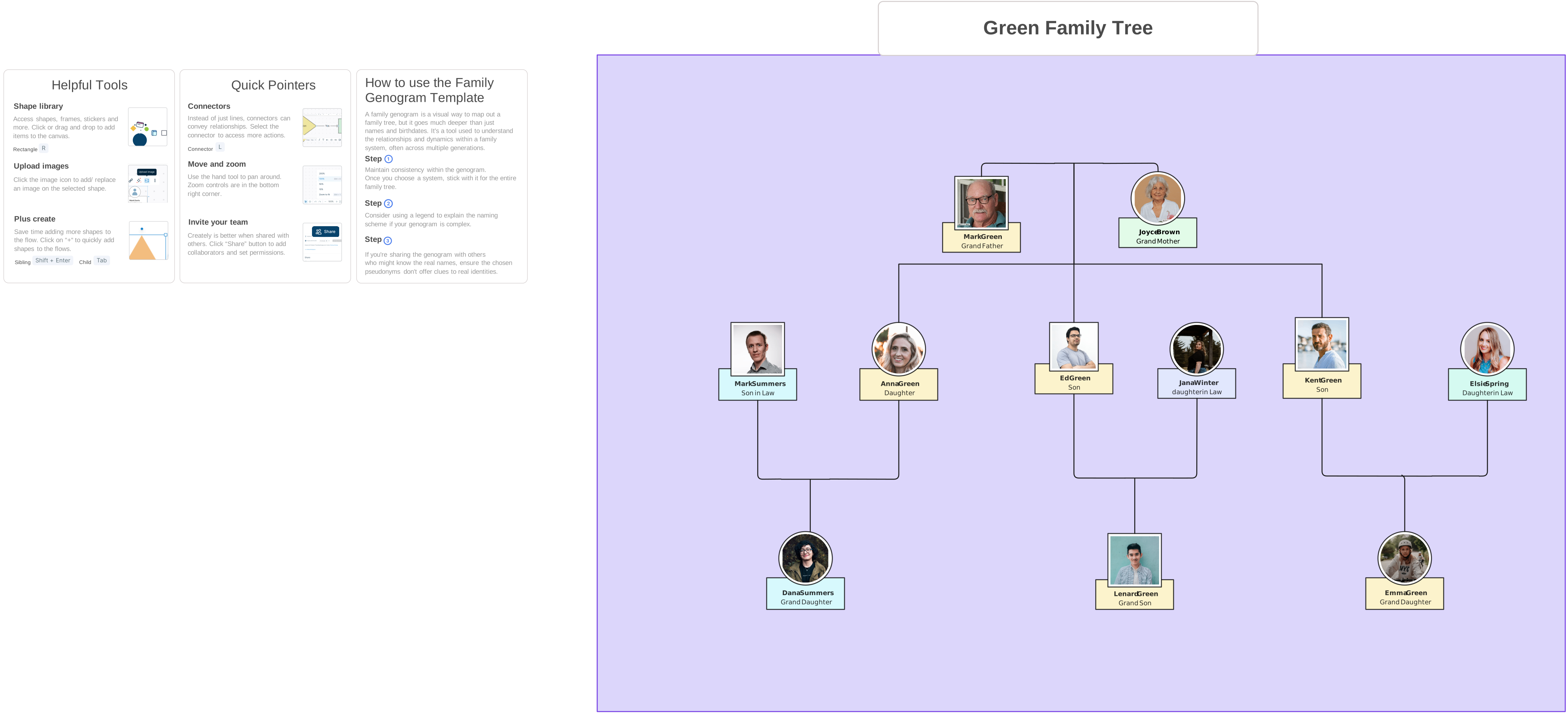
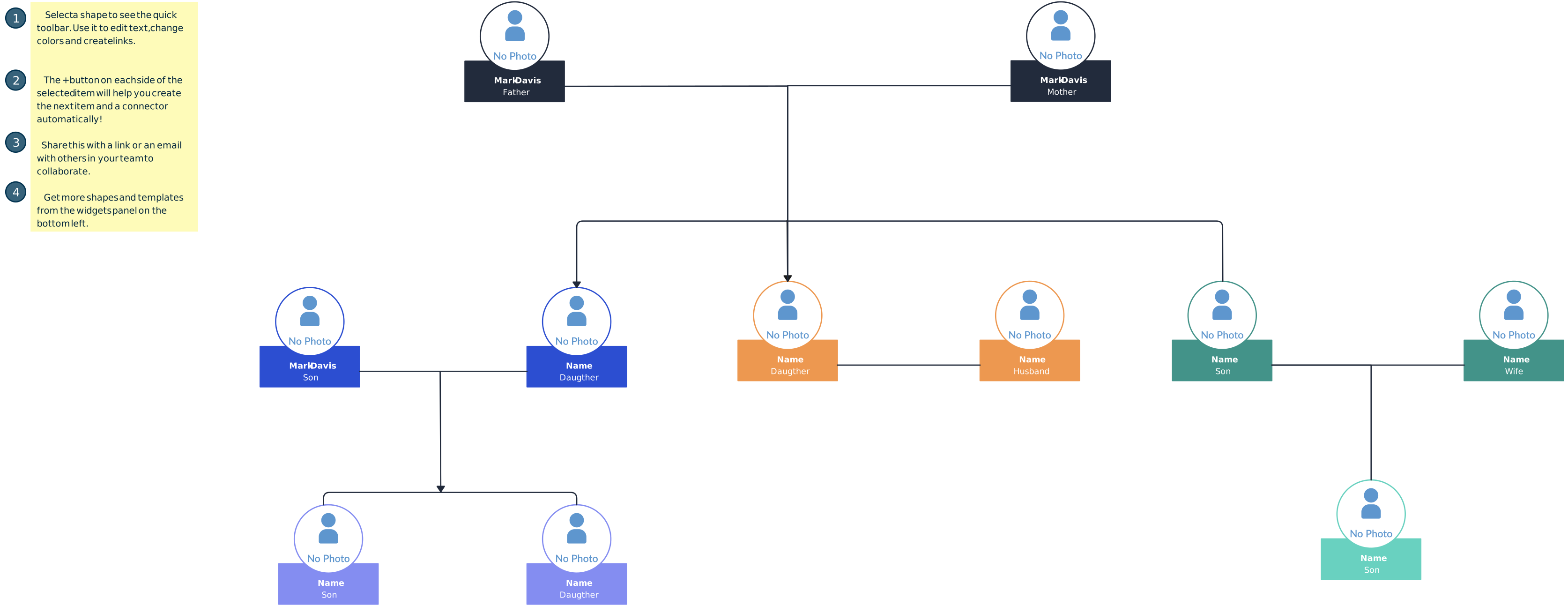
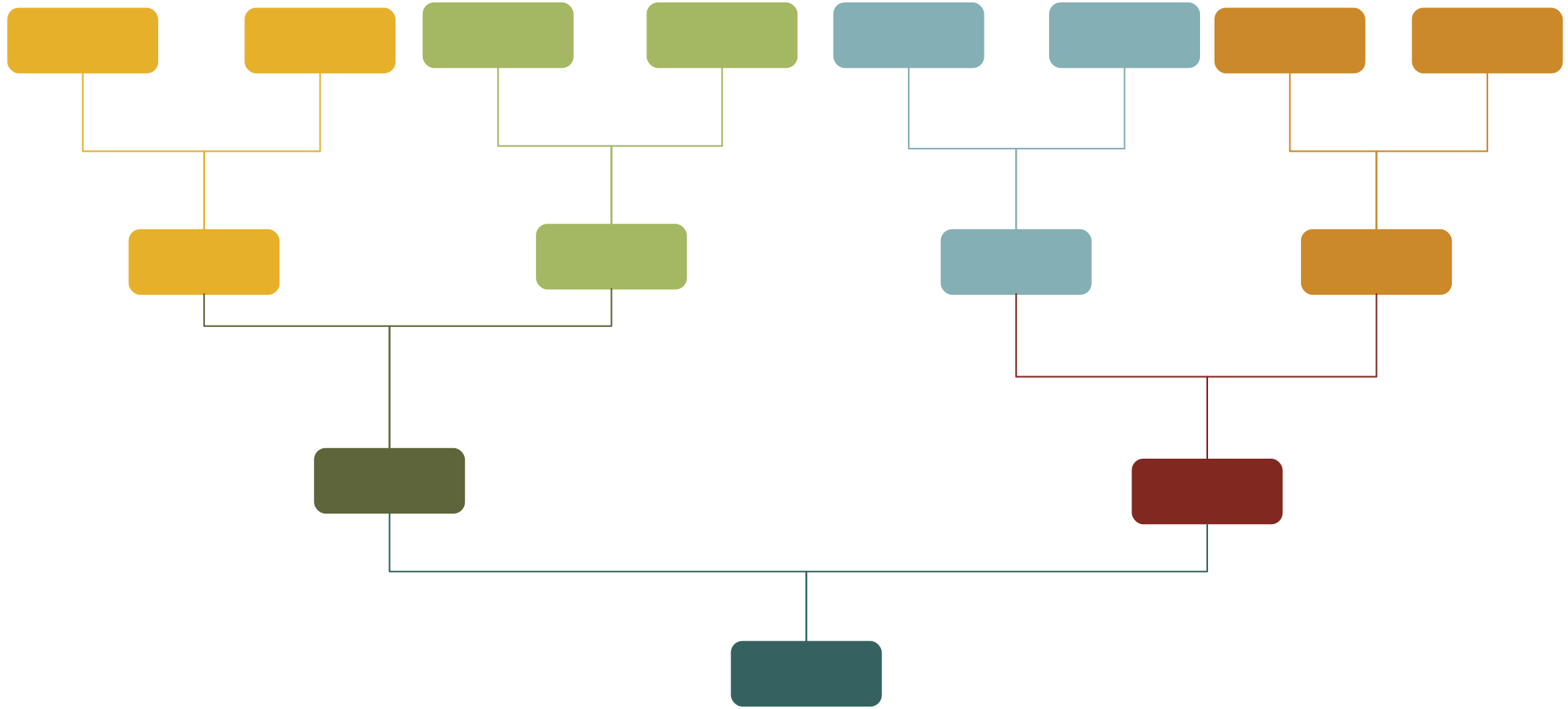
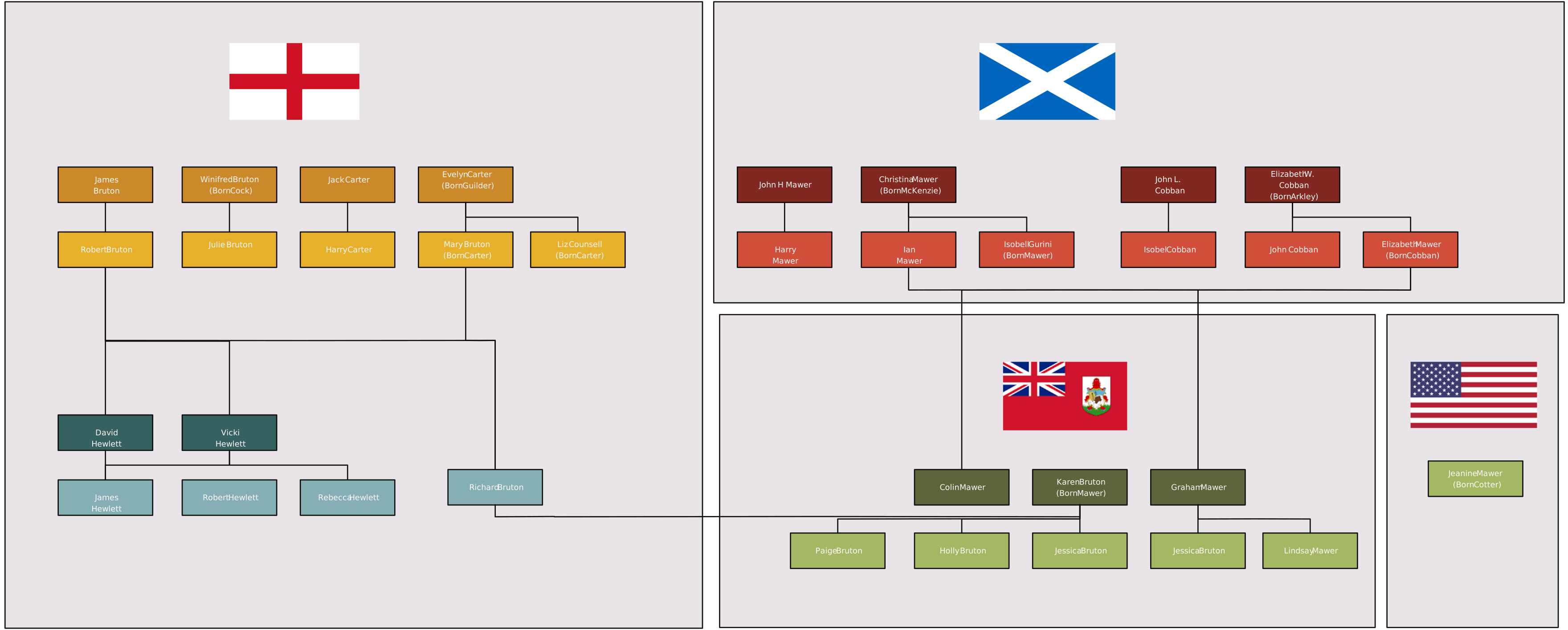
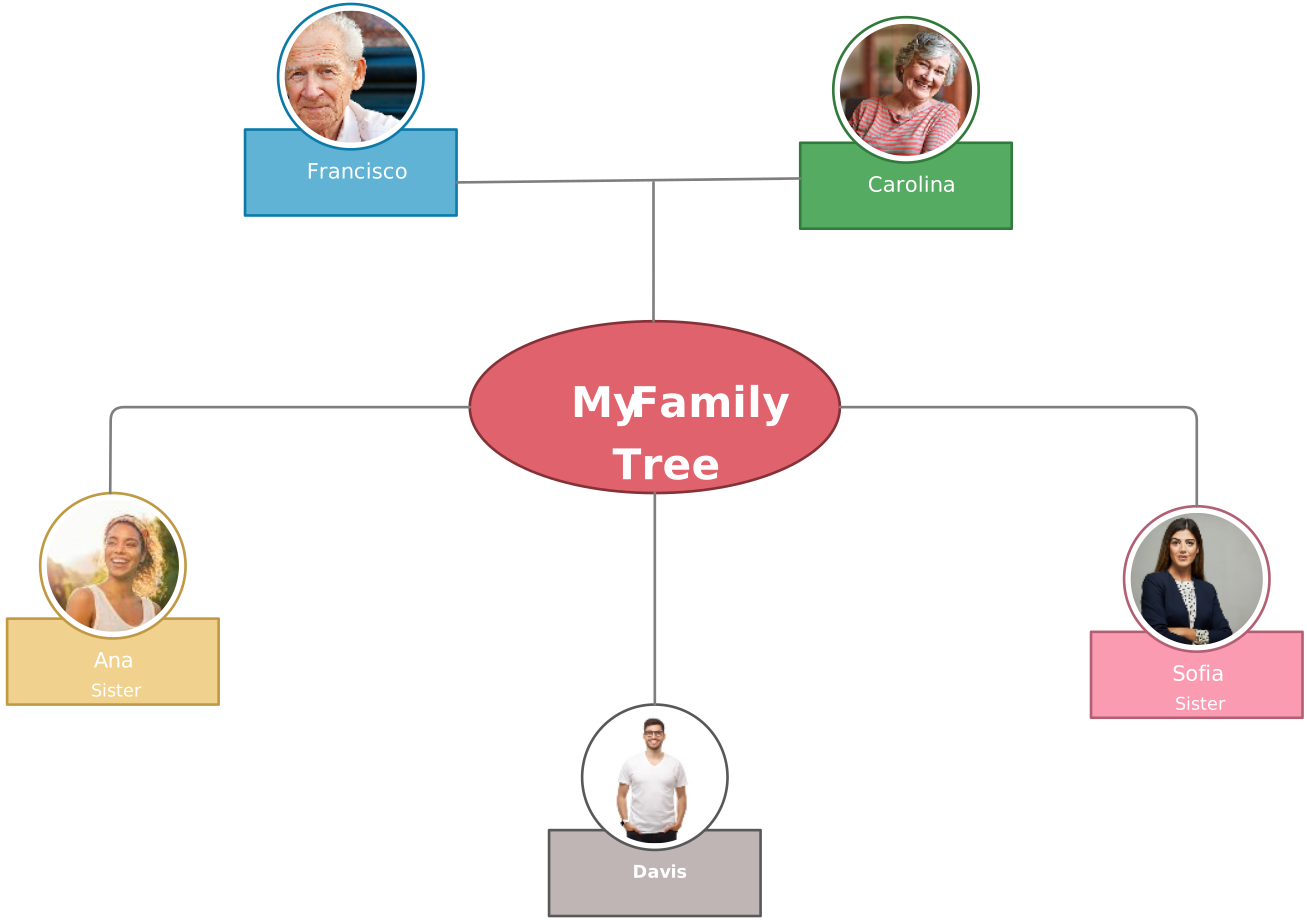
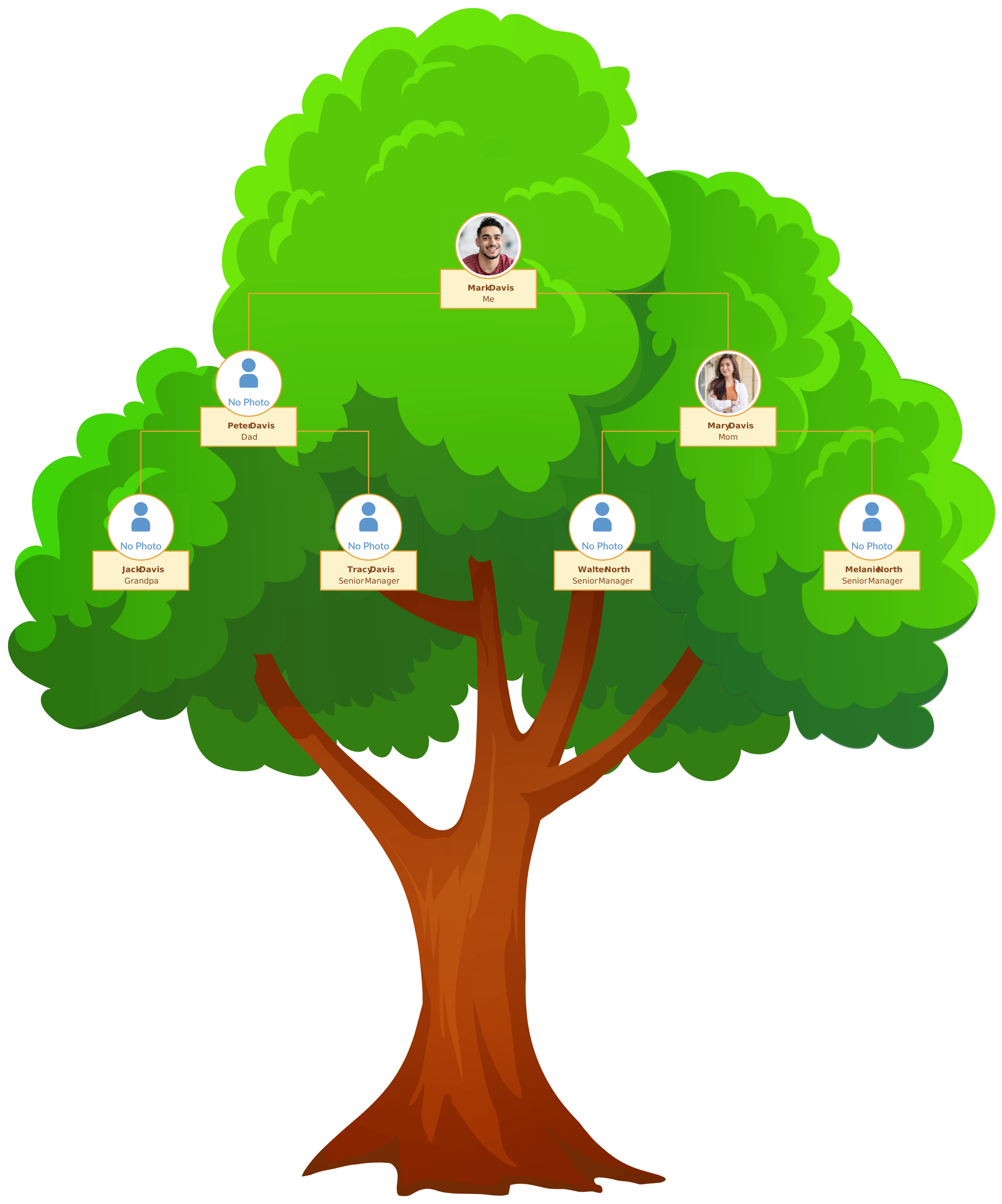
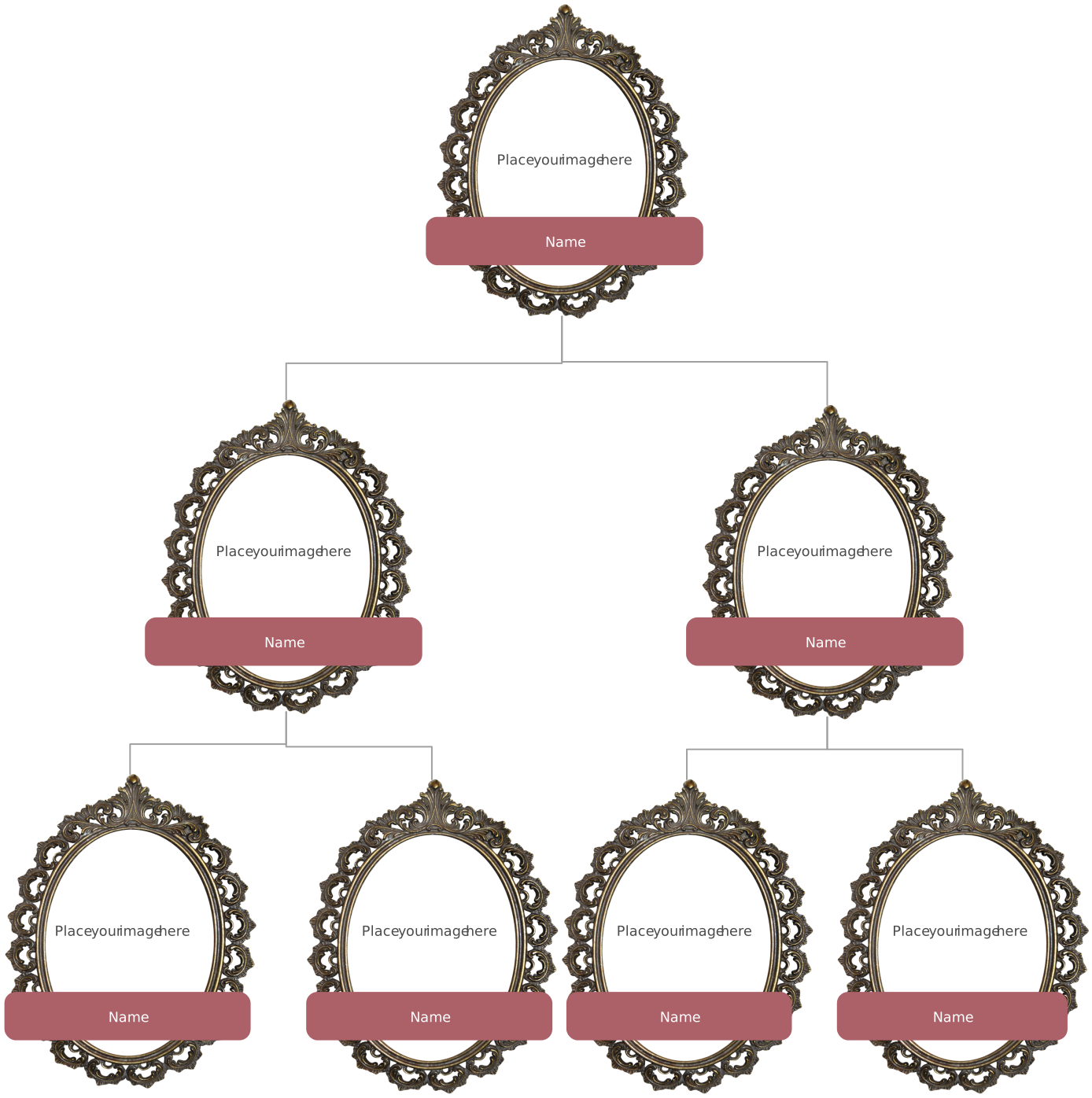
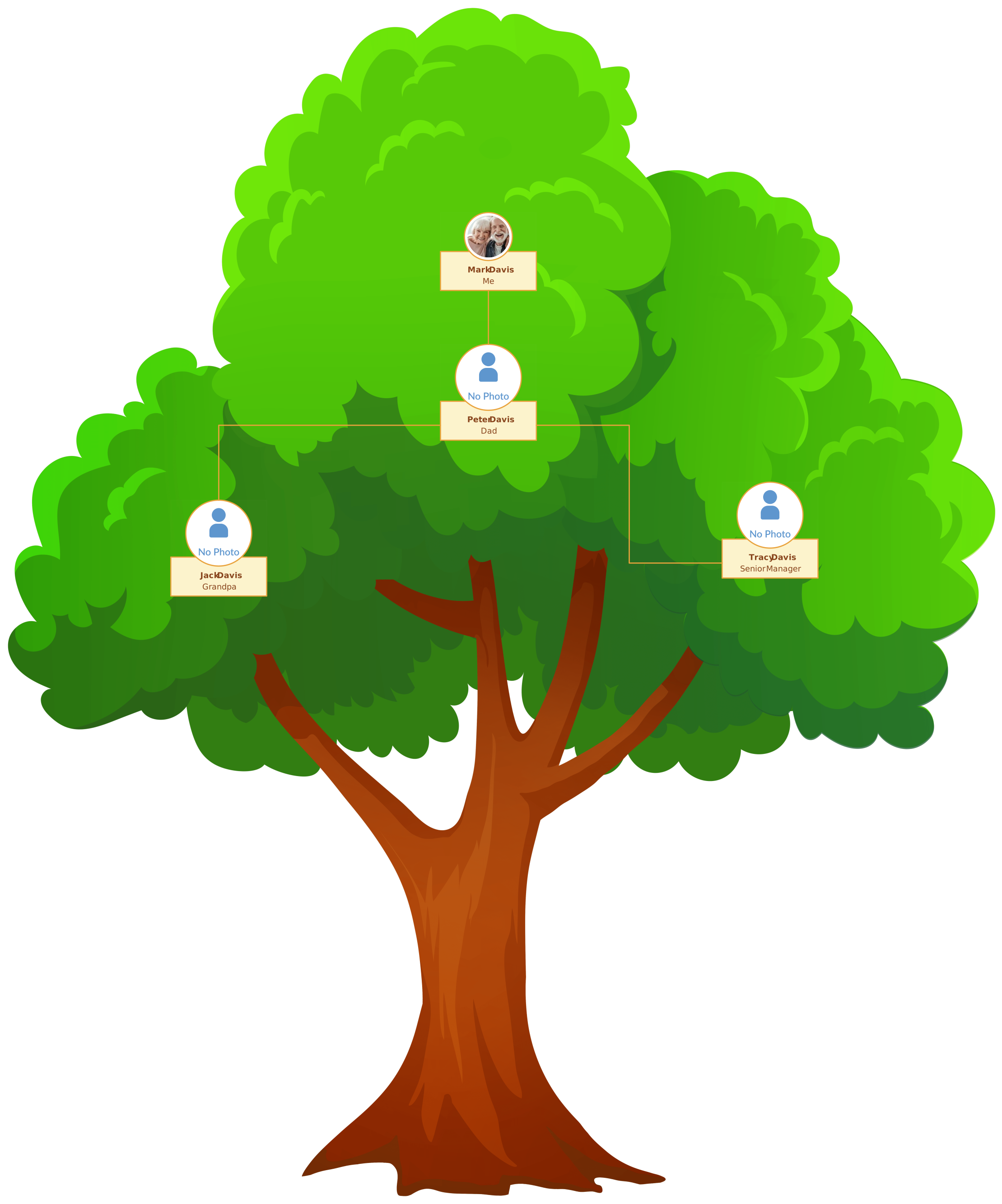
Creately’s family tree templates allow therapists to visualize multigenerational patterns at a glance. From basic ancestry to intricate intergenerational influences, these templates make it easy to spot recurring behaviors, entitlement issues, or hidden debts. Therapists can collaborate in real time, adjust layouts effortlessly, and ensure clients leave sessions with a clear, visual understanding of their family system.
Common Challenges Contextual Therapists Face
Working in contextual family therapy often means managing complex, layered family histories that span generations. Therapists frequently face overwhelming case histories, hard-to-track loyalty binds, inconsistent note-taking, difficulty explaining abstract concepts to clients, and challenges coordinating with other providers. Without a clear way to organize and visualize these dynamics, sessions can feel chaotic, slow, and emotionally draining, for both therapist and client.
Creately acts as a calming force in this complexity, offering intuitive tools to structure, map, and collaborate on family data, making the therapy process smoother and more focused.
Why Visual Mapping Strengthens Contextual Therapy
Visual mapping transforms complex family dynamics into clear, actionable insights, making contextual family therapy faster, more effective, and less overwhelming. Therapists often juggle extensive histories, hidden loyalties, and multigenerational patterns, without a visual tool, it’s easy to get lost in details.
By mapping relationships, debts and credits, and ethical balances, therapists can see fairness and imbalance instantly, giving clients a tangible way to understand their family system. Visual maps also speed up sessions, allowing patterns to emerge quickly, and help reduce emotional overwhelm by organizing information in a clear, structured way.
Moreover, visual mapping supports conversations about relational ethics. Symbols, markers, and charts make abstract concepts like loyalty, entitlement, and trust visible, enabling clients to engage more fully and reflect on their family dynamics with clarity. Tools like Creately make this process seamless, empowering therapists to focus on insight and healing rather than on scattered notes or confusing diagrams.
Bringing Clarity and Fairness Back Into Family Work
Contextual family therapy offers therapists a powerful framework for navigating multigenerational patterns, invisible loyalties, and relational ethics. By understanding the four dimensions, applying key concepts like the ledger of merits, and using interventions that promote accountability and exoneration, therapists can guide families toward balance and trust. Visual tools like Creately’s genogram and family tree templates make this process faster, clearer, and more collaborative, turning complexity into insight and helping clients truly see their family dynamics. Ready to bring clarity and fairness into your sessions?
Try Creately today and start mapping family relationships with ease.
Helpful Resources
Explore the most widely used family therapy models, their key techniques and interventions, and how visual tools like genograms and family trees can simplify the process.
Explore the core concepts and techniques of structural family therapy, the insights from Minuchin’s family systems theory, and how genogram mapping helps visualize and transform family relationships.
Learn what strategic family therapy is, explores its core principles, and shows you how to use techniques, interventions, genograms, and family trees to create meaningful change.
Discover resource planning templates to streamline project execution. Organize resources, minimize bottlenecks, and ensure project success with Creately.
Everything you need to know about family mapping, including how to use genograms and family trees, and even provide ready-to-use templates to help you start mapping families with clarity, speed, and confidence.
Compare Strategic vs Structural Family Therapy in a clear, approachable way, helping you understand the purpose, techniques, and differences between the two models.
Explore key concepts of family systems theory to understand patterns, roles, and intergenerational dynamics using a clear visual tool.
Explore different types of genograms that you can create using Creately.