Building an organization without a clear structure often feels like juggling a dozen balls at once, teams overlap, responsibilities blur, and important tasks slip through the cracks. That’s where a functional structure comes in. By grouping employees based on their skills and responsibilities, a functional structure creates clarity, accountability, and efficiency. This guide will break down everything you need to know about functional structures, from their key characteristics, advantages, and disadvantages to real-world examples and ready-to-use functional structure org chart templates. By the end, you’ll have the insight and tools to design a structure that keeps your teams aligned, productive, and ready to scale.
What Is a Functional Structure?
A functional structure is one of the most common ways companies organize their teams because it’s simple, clear, and surprisingly effective. In a functional organization structure, employees are grouped based on their specific skills, expertise, or responsibilities. Marketing works with marketing. Finance works with finance. Engineering works with engineering. Everyone knows exactly where they belong and who they report to.
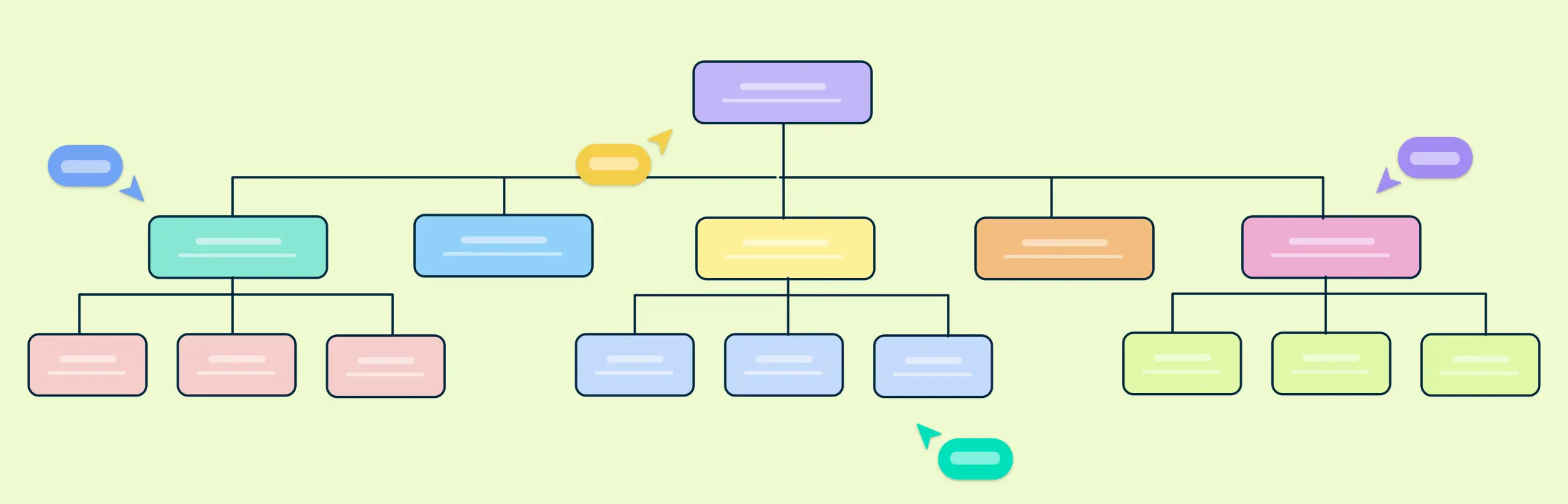
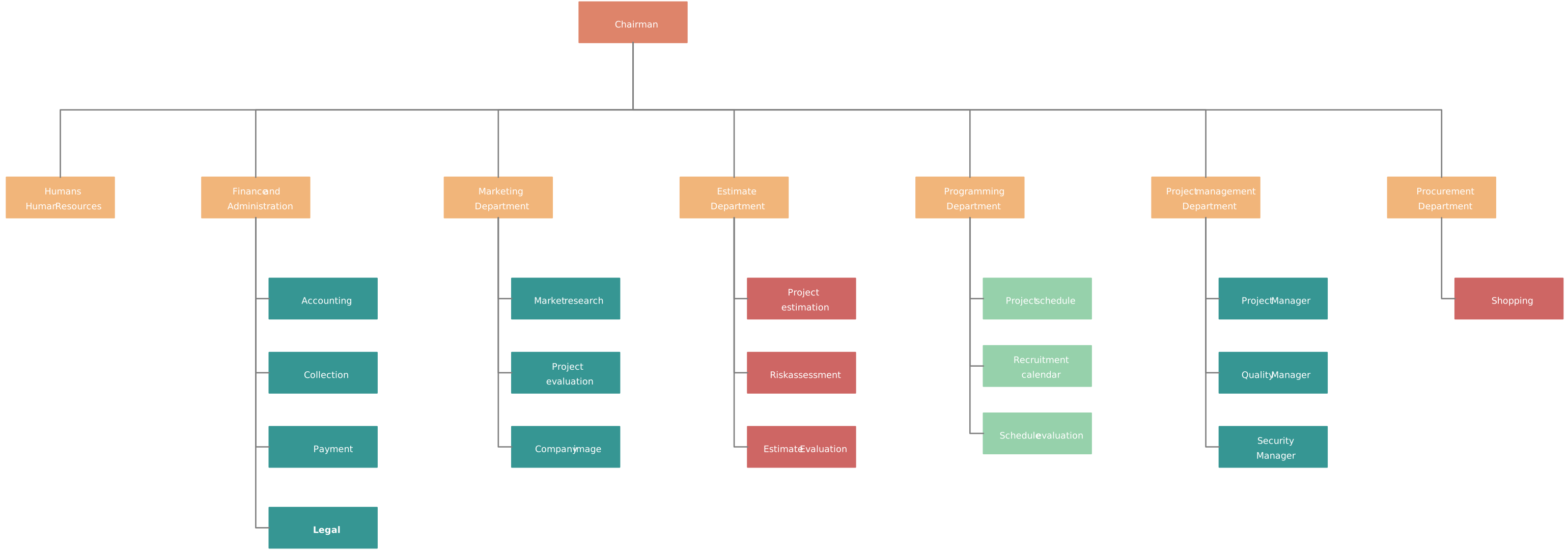
In practice, a functional structure looks like:
- A CEO or top leader at the top
- Core departments such as HR, Operations, Marketing, Finance, Sales, and IT below
- Specialized sub-teams or roles within each department
When a business is expanding and needs reliable systems, functional structures provide the clarity and order that keep everything humming smoothly.

Key Characteristics of a Functional Organization Structure
A functional organization structure works because it brings order, clarity, and expertise into the way teams operate. Instead of everyone doing everything, people focus on what they’re best at, making the entire system more predictable and efficient. Here are the core characteristics that define a functional structure:
1. Specialized Roles and Deep Expertise
In a functional business structure, employees are grouped based on their professional strengths, marketing specialists work with marketers, finance analysts with finance teams, engineers with engineers. This specialization helps teams build deep expertise and deliver higher-quality work. It’s what makes many functional organizational structure examples so stable and scalable.
2. Clear Reporting Lines
A functional structure thrives on clarity. Each department has a dedicated leader, making reporting lines straightforward and easy to follow. No confusion about who approves what or who handles which responsibilities. This consistency is part of the appeal when organizations search for an example of functional organizational structure to model their own teams.
3. Strong Department-Based Focus
Departments act as the backbone of the business. Every function; HR, Marketing, Sales, IT, Operations, works within its own area of expertise. This department-centric approach is why the business functional structure remains popular across industries, from startups to large enterprises.
4. Hierarchical and Streamlined Decision-Making
The functional structure typically has a clear hierarchy. Decisions flow from department heads to their teams, ensuring accountability and alignment. This hierarchy prevents chaos and helps companies maintain smooth day-to-day operations, especially as they grow.
5. High Efficiency in Routine Operations
When teams specialize, routines become faster and more efficient. Processes stabilize. Workflows become predictable. Teams know what needs to be done, and how to do it well. That’s why functional structures in business often shine in operational-heavy environments where consistency is key.
Functional Structure Advantages: Why Teams Like It
A functional structure feels comfortable for many teams because it brings order, predictability, and a sense of “everyone knows what they’re doing.” It’s one of the reasons the functional organization structure remains a favorite among growing companies. Here’s why teams love it:
1. Efficient, Predictable Workflows
In a functional business structure, people aren’t constantly pulled into tasks outside their expertise. Marketing focuses on campaigns, Sales drives revenue, Finance manages budgets, everything flows smoothly because everyone understands their lane.
No more marketers chasing down product specs, or engineers guessing what the brand tone should sound like. Work moves faster because responsibilities are crystal clear.
2. Easier Career Progression
Because roles in a functional organization structure are clearly defined, employees can see exactly how to grow.
Entry-level designer → Senior designer → Lead designer
Finance associate → Senior analyst → Finance manager
The path feels logical and motivating. This clarity is one reason functional organizational structure examples in large companies often show strong internal promotion systems.
3. Strong Domain Expertise
Grouping experts together creates a powerhouse of knowledge. Each department builds deep, specialized skills; analytics within analytics, HR within HR, giving teams the confidence to operate independently and excel at what they do best.
Companies with a functional structure definition built around expertise often outperform competitors in quality and consistency.
4. Deep Focus and Specialization
When teams aren’t juggling unrelated tasks, they can truly focus. Marketing doesn’t have to worry about backend logic. Product teams aren’t rewriting ad copy. Finance isn’t scrambling to understand design assets.
This deep focus reduces cognitive load and helps teams do work that’s polished, strategic, and high-impact.
5. Reduced Duplication of Tasks
With one team owning each core function, repetitive work gets eliminated. Instead of three departments creating their own onboarding documents, HR owns it. Instead of multiple versions of a budget tracker floating around, Finance manages the official one. This clarity cuts waste, reduces errors, and keeps the business aligned.
Functional Structure Disadvantages
While a functional organization structure is stable and efficient, it’s not perfect. As companies grow, the same clarity that once felt comforting can start creating friction, especially when teams need to move fast, collaborate often, or innovate across departments. Here are the most common drawbacks, with the real-world frustrations teams feel every day.
1. Silos and Bottlenecks
When each department becomes its own little island, silos form, fast.
Marketing has data the Product team needs. → Product has insights Sales hasn’t heard about. → Sales is waiting on analytics that only one specialist can pull.
These silos slow everything down. Teams end up working with incomplete information, and projects stall because one department becomes a bottleneck without even realizing it.
2. Slow Cross-Team Coordination
In a functional business structure, departments are optimized internally, but not always with each other. A simple launch may require approvals from Product, Design, Marketing, and Legal. Suddenly, what should’ve been a one-week rollout turns into a month of chasing people on various channels.
Real talk:
- Marketing is ready to go, but Design is waiting on Product.
- Product is ready, but Legal hasn’t reviewed.
- Everyone is waiting on someone.
It’s frustrating, and it drains momentum.
3. Fragmented Communication
Because information lives inside departments, communication often becomes scattered:
- Finance shares updates only with Finance.
- Engineering documents processes only Engineering understands.
- Operations has insights no one outside Operations knows exist.
This leads to misunderstandings, duplicated work, and decisions made in the dark. Teams spend more time hunting for information than doing actual work, which is the opposite of what a functional structure definition is meant to achieve.
4. Lower Agility for Fast-Moving Companies
A functional organizational structure works beautifully when things are stable. But in fast-growth environments, the hierarchy and specialization can feel heavy.
Common pain points:
- Too many approval layers
- Slow decision-making
- Difficulty assembling cross-functional task forces
- Teams struggling to pivot quickly
Startups and scaling businesses sometimes feel like they’re dragging a heavyweight system while trying to innovate quickly.
Ready-to-Use Creately Organizational Chart Templates
Visual thinking is more than just “making things look nice”, it’s how modern teams simplify complexity, align everyone, and speed up decision-making. A functional structure diagram makes your organizational structure instantly understandable, highlights reporting lines, and reveals gaps or overlaps before they cause friction.
Many traditional org chart tools feel clunky, rigid, or outdated. Editing takes forever, updates break your layout, and collaboration is a headache. That’s where Creately comes in. It’s designed for modern teams who need flexibility, speed, and clarity. With Creately, you can:
- Build charts fast with csv import simplicity
- Collaborate in real-time with your whole team
- Intuitively adjust structures as your business evolves
- Keep your diagrams dynamic, so your org charts always reflect reality
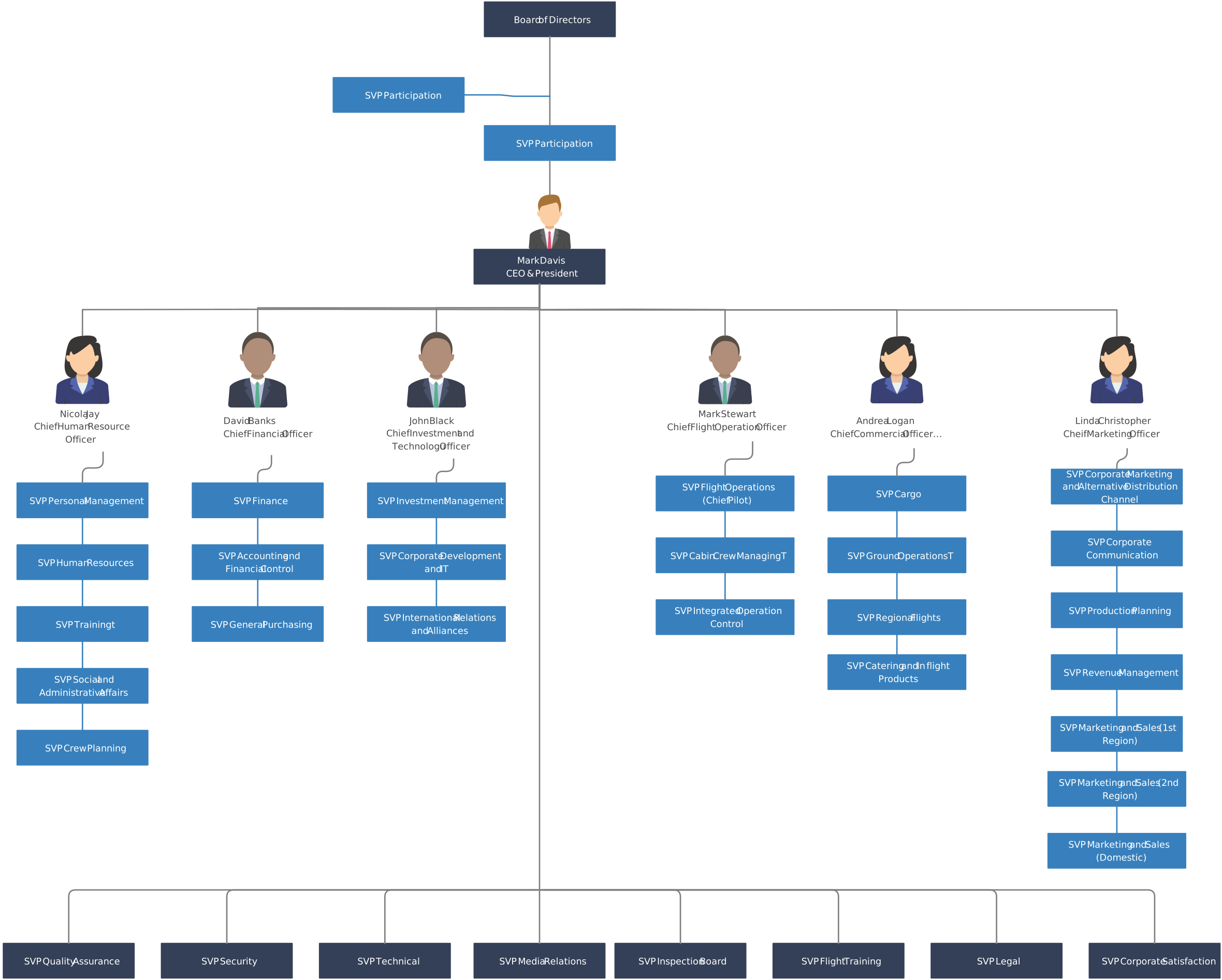
Here are some examples of functional org charts to explore:
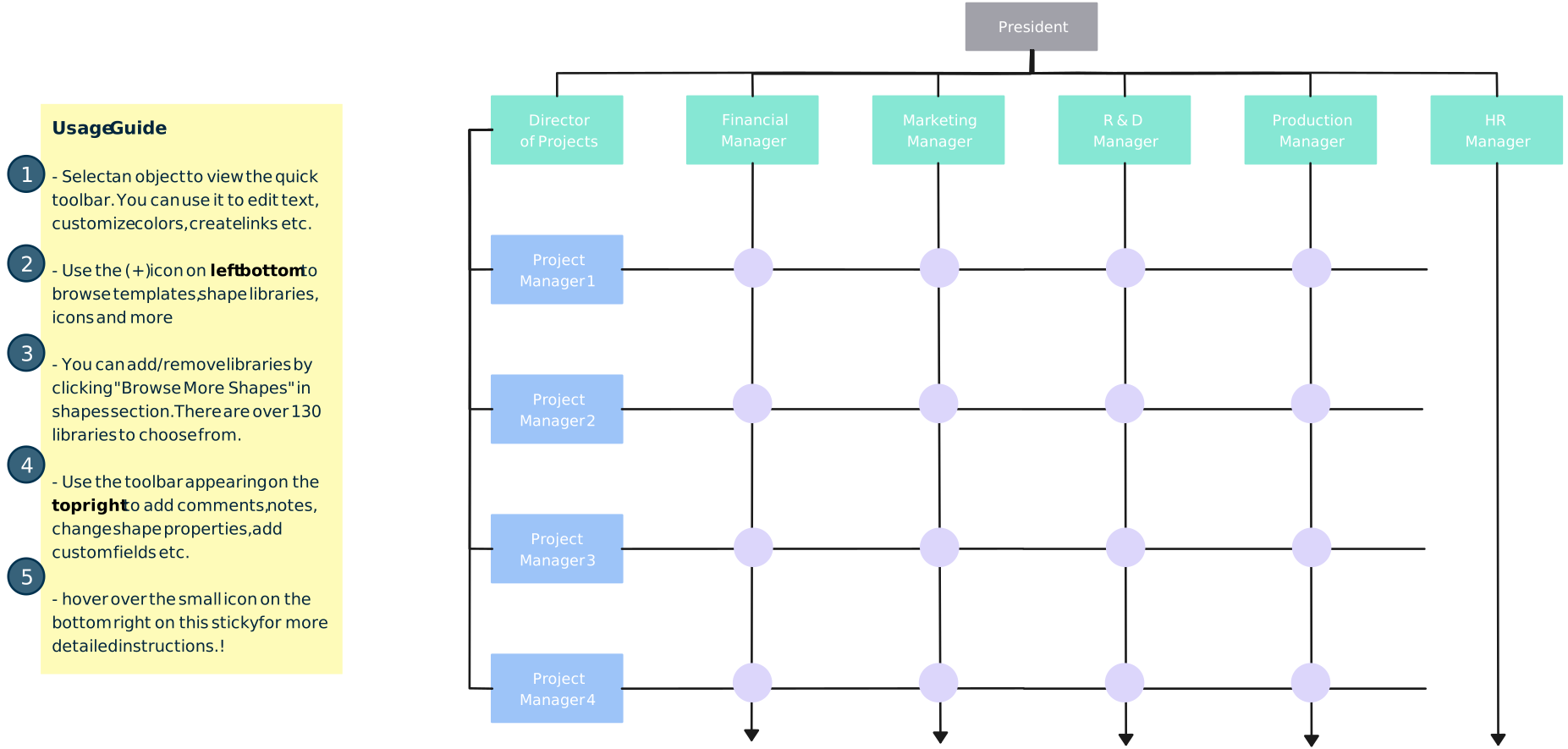
1. Functional Structure Diagram with Cross-Functional Dependencies
Map teams by function while visualizing the inter-departmental dependencies that drive collaboration. Perfect for spotting bottlenecks early.
2. Department-Level Functional Org Chart
Drill down into individual departments, showing roles, reporting lines, and team responsibilities in a clean, digestible layout.
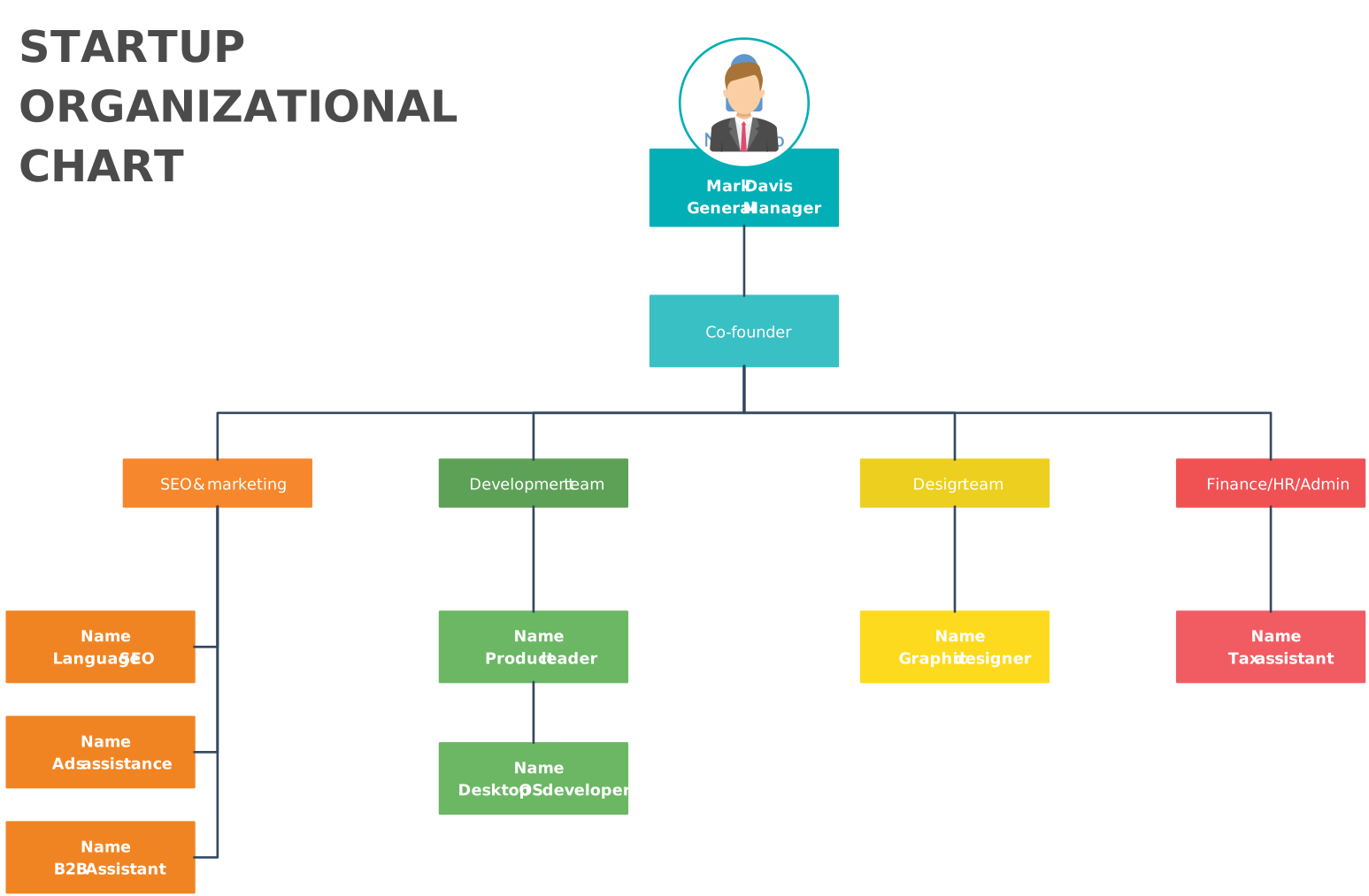
3. Functional Business Structure for Startups
A startup-ready template that balances simplicity with clarity, allowing small teams to scale without losing organizational order.
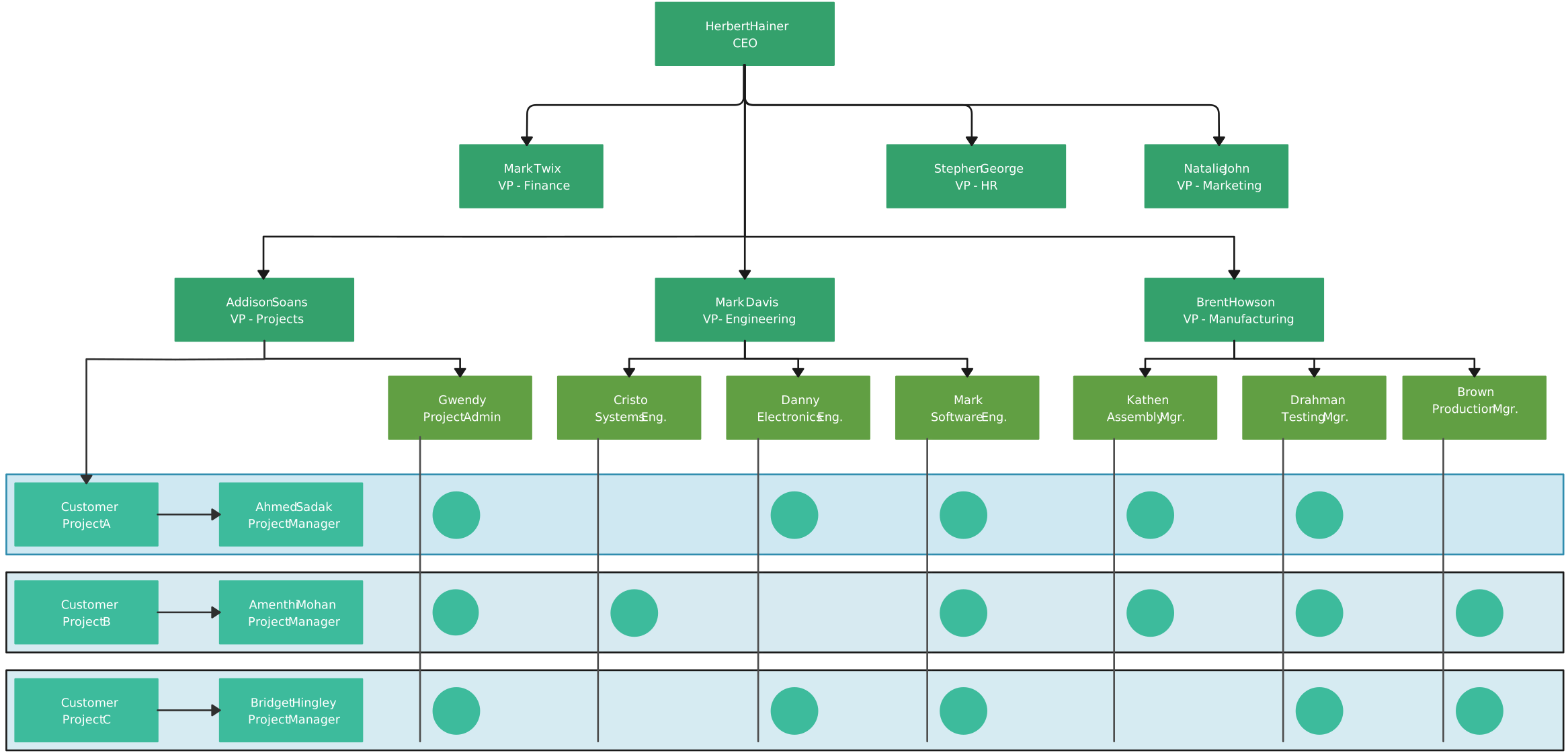
4. Functional Structure + RACI Mapping Template
Combine functional org charts with RACI (Responsible, Accountable, Consulted, Informed) assignments for complete clarity on roles and decision-making.
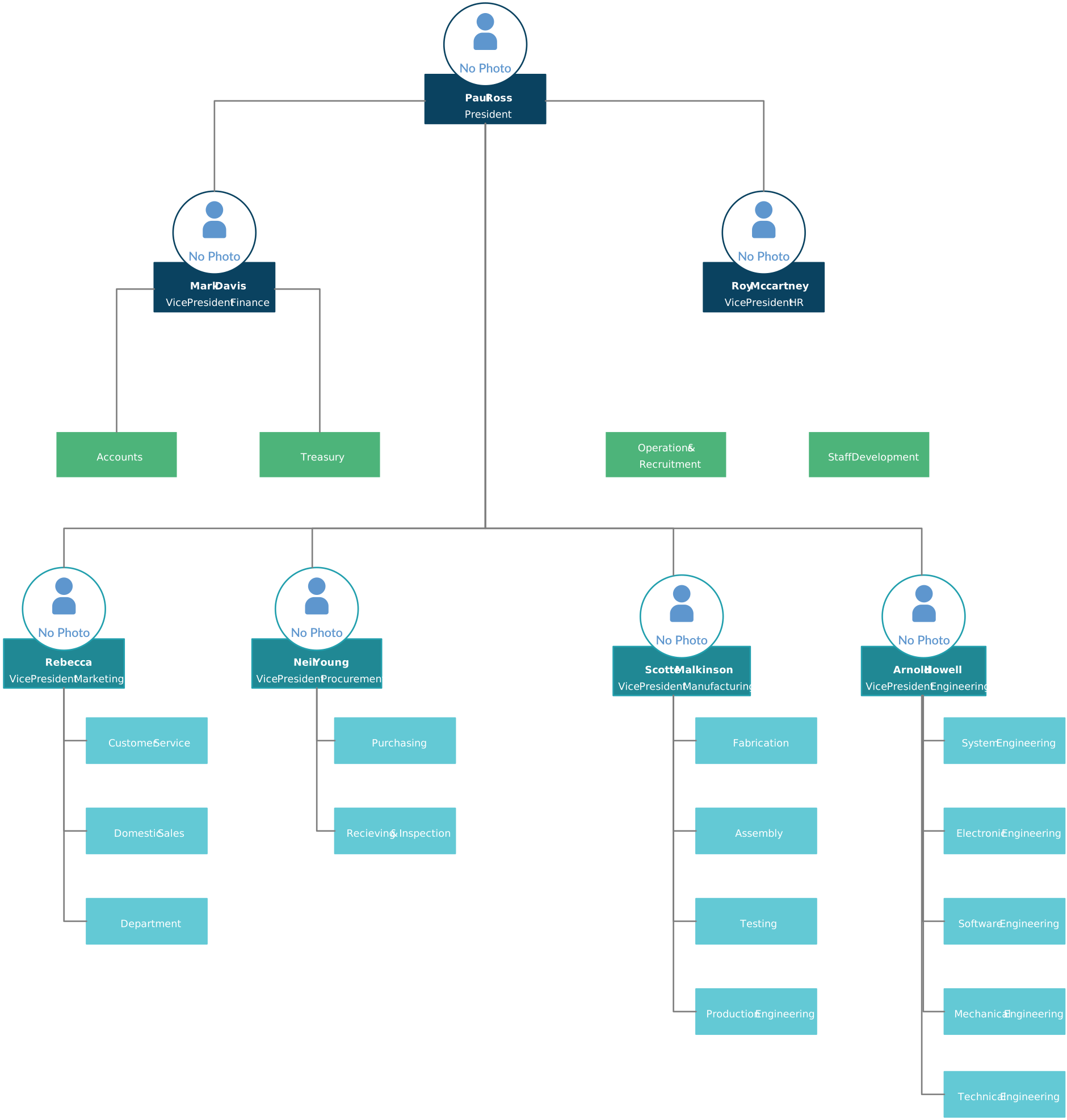
5. Role & Responsibility Breakdown for Functional Teams
Highlight who does what within each department, making accountability transparent and onboarding new team members easier.
Whether you’re creating a classic functional structure or mapping cross-functional workflows, Creately org chart templates make it easy to turn complexity into clarity.
Why Creately Is the Smartest Way to Build Functional Structures
Creating a functional organizational structure doesn’t have to be tedious. With Creately, building, updating, and maintaining org charts becomes fast, intuitive, and collaborative. Here’s why modern teams love it:
- CSV Import: Bring your existing data to life. Import from CSV, Excel, or Google Sheets directly to generate a complete org chart instantly.
- Drag-and-Drop Workspace: No more fiddly layouts or broken connections. Simply drag, drop, and arrange your teams exactly how you want.
- Infinite Canvas: Scale your organizational chart without limits. Add departments, sub-teams, or cross-functional links effortlessly.
- Real-Time Collaboration: Work simultaneously with your team, everyone sees updates live, no version conflicts.
- Linked Data, Notes & Documentation: Attach role details, responsibilities, and notes directly to shapes so information is always at your fingertips.
- Seamless Integrations: Connect with Google Workspace, Microsoft Teams, Confluence, Slack, and more to keep org charts connected to your workflows.
With Creately, you’re not just creating an org chart, you’re building a dynamic, living map of your functional structure. Think visually, move faster, and build org charts that scale.
Best Practices for Maintaining a Functional Organizational Structure
A functional organization structure works best when it’s actively maintained and adapted as your business grows. Without attention, even the clearest functional structure can become outdated, siloed, or inefficient. Here are some best practices to keep your teams aligned and workflows smooth:
1. Conduct Regular Reviews
Your organization is constantly evolving. Roles, responsibilities, and reporting lines change. Schedule regular reviews of your functional structure to ensure it reflects reality, keeps teams aligned, and addresses any emerging gaps.
2. Avoid Silos
Functional structures naturally risk creating departmental silos. Encourage collaboration across teams by setting up cross-functional projects, shared goals, and communication channels that bridge gaps. This prevents bottlenecks and keeps work flowing efficiently.
3. Encourage Cross-Team Communication
Proactive communication is key. Use tools, meetings, and updates to ensure each department is aware of what other teams are working on. When Marketing knows what Product is building, or Finance knows what Sales is planning, teams make smarter, faster decisions.
4. Use Visual Dashboards for Updates
Visual dashboards make it easy to see updates at a glance. Linking your functional structure diagram to dashboards or project trackers ensures everyone knows who is responsible for what and where tasks stand. Visual cues reduce confusion and increase accountability.
5. Link Org Charts to Workflows and Documents
Make your org charts actionable. Connect roles and departments directly to relevant workflows, SOPs, and documentation. This keeps essential information accessible, reduces duplicated work, and reinforces clarity across the organization.
Conclusion: A Functional Structure That Actually Works
A well-designed functional structure brings clarity to complexity. By grouping teams based on expertise, establishing clear reporting lines, and visualizing workflows with org charts, organizations can reduce confusion, improve collaboration, and make smarter decisions faster. Following best practices, like avoiding silos, encouraging cross-team communication, and keeping your structure visually up-to-date, ensures your functional structure adapts as your business grows. With tools like Creately, building and maintaining a dynamic functional structure org chart is faster, simpler, and more effective than ever, helping your teams work smarter, not harder.
Helpful Resources
Explore rules for drawing organizational charts and org chart best practices to make your org chart more meaningful and useful.
Easily make organizational charts to visualize the reporting structure of your organization for effective HR planning and management with org chart maker.
Learn simple steps to create an org chart that fits your business, along with tips and tools to make it easy to build and update.
FAQs About the Functional Structure
What is the difference between a functional structure and a divisional structure?
How do functional structures handle cross-department projects?
Can a small business benefit from a functional structure?
How often should a functional structure be updated?
Are functional structures suitable for all industries?