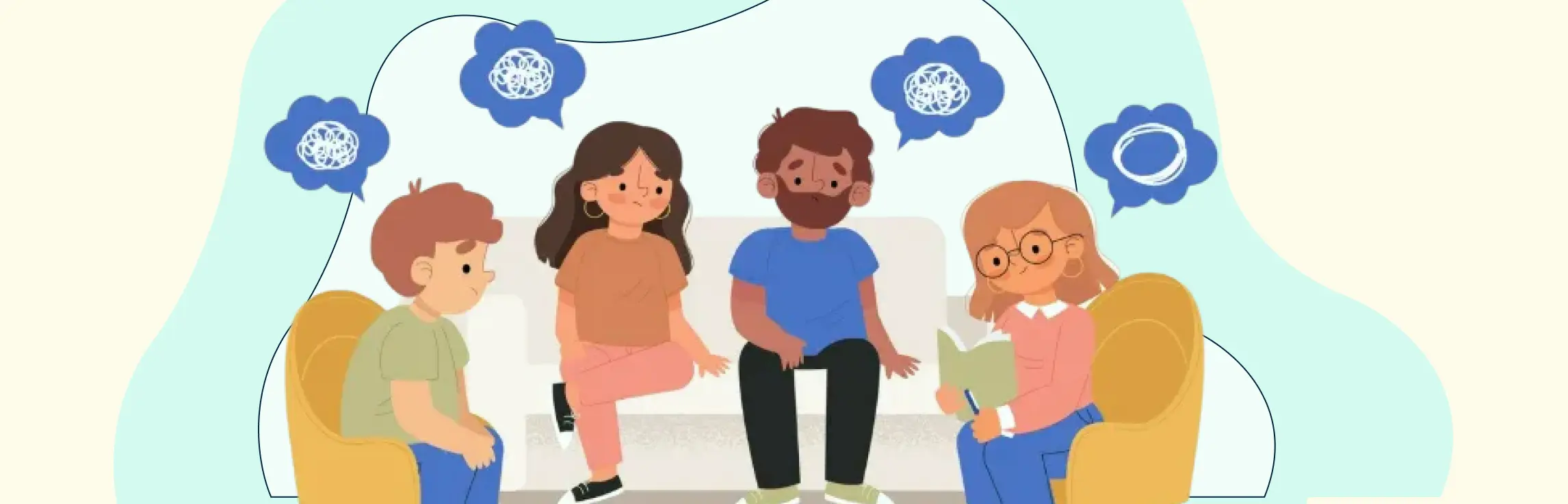
Therapy sessions can quickly become overwhelming when notes are scattered, family patterns are hard to decode, and critical context is missing. That’s where genograms in therapy come in. These visual maps go beyond traditional family trees, revealing relationships, emotional dynamics, and intergenerational patterns in a way that’s fast, intuitive, and actionable. In this guide, we’ll explore what genograms are, why they’re so useful, the key elements that make them effective, practical ways to use them in therapy sessions, and how tools like Creately simplify the process, helping therapists and clients gain clarity, insight, and meaningful breakthroughs.
What Are Genograms in Therapy?
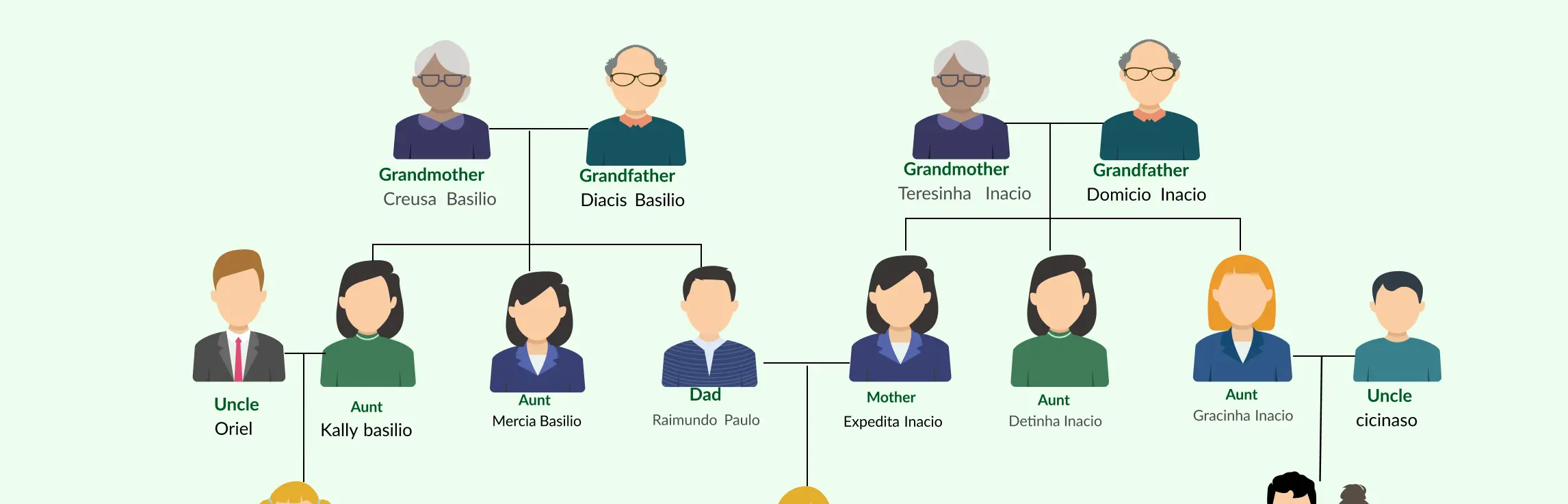
A genogram in therapy is a visual map of a client’s family structure, history, and relational dynamics, but with far more depth than a traditional family tree. While a family tree shows who is connected to whom, a therapy genogram reveals how those people relate, interact, and influence each other across generations. It helps therapists move beyond surface-level information and see the emotional, behavioral, and even cultural patterns shaping a client’s life.
In simple terms: a genogram works like a therapist’s “X-ray” of the family system. It shows relationships, conflicts, alliances, traumas, medical issues, communication patterns, and more, all in one clear, visual snapshot. That’s why genogram therapy is so commonly used across counseling, social work, and family therapy practices.
Why Are Genograms Useful in Therapy?
A genogram isn’t just a diagram. It’s a clarity tool, a way for therapists to cut through scattered notes, fragmented stories, and decades of family history to quickly understand what’s really going on beneath the surface. When used well, a therapy genogram tool helps both the therapist and the client see the full picture with surprising speed.
At its core, the purpose of a genogram is simple: to visually reveal the patterns, emotional dynamics, and intergenerational influences that shape a client’s present-day experiences.
Below is a breakdown of why genograms are so powerful in therapy.
Bringing Clarity to Complex Family Stories
Clients often describe their families in bits and pieces, a comment here, a memory there, a complicated relationship that’s hard to explain. A genogram pulls all of this together into one coherent visual.
It helps therapists:
- See family roles and connections instantly
- Identify missing information
- Understand structural patterns (birth order, alliances, cutoffs)
- Spot inconsistencies or gaps quickly
For clients, the visual map often provides a moment of: “Oh… that makes sense now.”
Revealing Intergenerational Patterns
A huge part of genogram therapy is noticing what repeats across generations.
Genograms uncover patterns such as:
- Conflict styles
- Relationship breakdowns
- Unresolved trauma
- Parenting approaches
- Addiction cycles
- Mental health concerns
- Emotional distance or enmeshment
These insights go beyond storytelling, they show why a client might struggle with certain behaviors or emotional responses. Instead of guessing, the therapist gets a fast, clear history of influences shaping the present.
Mapping Emotional Dynamics
Unlike a family tree, a therapy genogram shows emotional relationships, not just the existence of connections, but their quality.
Therapists can visually map:
- Tension / conflict
- Closeness
- Detachment
- Abuse
- Cutoffs
- Supportive bonds
This gives a richer, more human understanding of how the family system functions. Emotional mapping also helps clients verbalize experiences they may have never articulated before.
Speeding Up Assessment & Treatment Planning
One of the biggest practical benefits? Speed.
A genogram captures weeks of verbal explanation in a single session.
This makes it easier to:
- Form hypotheses faster
- Identify key players in the client’s history
- Prioritize therapeutic focus areas
- Spot risks or protective factors
- Build a shared understanding between therapist and client
Visual thinkers especially appreciate the immediate clarity.
Empowering Clients Through Visual Insight
When clients see their family system visually represented, something shifts. They begin connecting dots on their own. They recognize patterns, question assumptions, and often feel validated after seeing their story laid out clearly.
Genograms support emotional breakthroughs by:
- Making the invisible visible
- Giving clients a sense of perspective
- Helping them understand that patterns can be changed
- Offering a compassionate framework for discussing difficult topics
It’s this blend of clarity, speed, and visual thinking that makes using genograms in therapy such a transformative part of the therapeutic process.
Types of Genograms
Genograms come in many forms, each designed to highlight different aspects of family and personal dynamics. Choosing the right type of genogram depends on the focus of therapy, the client’s needs, and the insights you want to uncover. Here are the major types commonly used in therapy:
Family Genogram – Focuses on family structure, relationships, and multigenerational patterns. Perfect for understanding roles, alliances, and family hierarchies.
Social Genogram – Maps the client’s social network, friendships, and community connections beyond the family, helping to identify social support and influence.
Relationship Genogram – Highlights the quality of relationships, including emotional closeness, conflict, estrangement, or enmeshment.
Three-Generation Genogram – Covers three generations of a family to reveal intergenerational patterns, behaviors, and health trends.
Medical Genogram – Tracks medical history, chronic illnesses, mental health conditions, and genetic risks across family members.
Nursing Genogram – Used in healthcare settings to integrate medical history with social and family dynamics for patient care planning.
Counseling Genogram – Tailored for therapy sessions to explore emotional patterns, psychological issues, and client history in counseling contexts.
Career Genogram – Maps educational and career paths within a family to identify patterns in professional development, skills, or work-related behavior.
Cultural Genogram – Highlights cultural, spiritual, and ethnic influences that shape family traditions, values, and identity.
Each of these types provides a unique lens for understanding the client’s context, making genograms an indispensable tool in therapy. By selecting the right type, therapists can uncover insights that are specific, actionable, and tailored to the client’s needs.
Key Elements of a Therapy Genogram
A therapy genogram becomes truly powerful when it captures the right layers of information, not just who is in the family, but how the family system operates. Below are the essential elements therapists typically include when building a clear, comprehensive, and clinically useful genogram.
Family Structure
The foundation of any family genogram is a clear layout of the family system.
This includes:
- Immediate and extended family members
- Marriages, divorces, separations, cohabitation
- Children, birth order, step-relationships, adoption
- Multi-generational lineage (usually three generations)
Mapping family structure visually helps therapists quickly understand the client’s context, who is connected, how, and through which roles.
Relationships (Emotional + Structural)
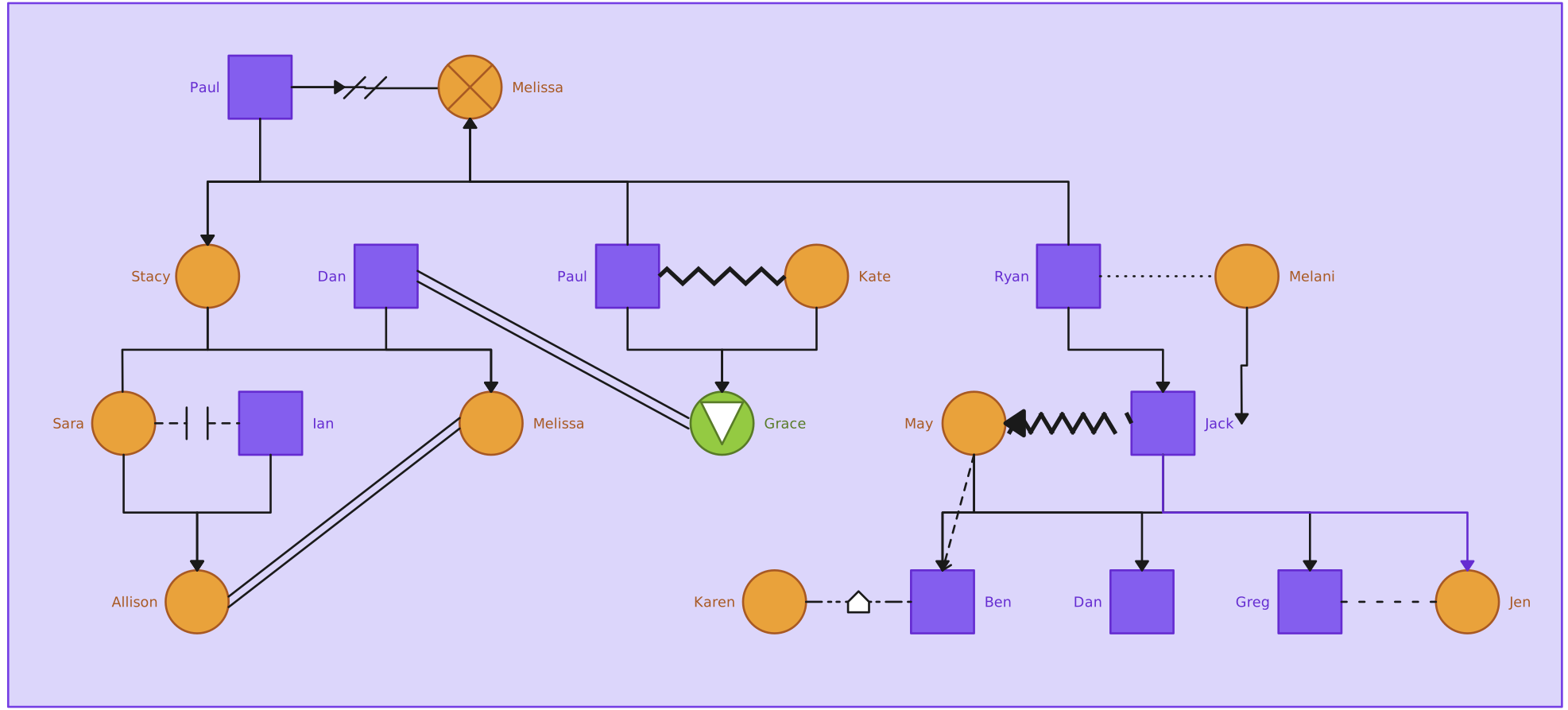
A genogram goes far beyond the lines of a basic family tree by showing the quality of relationships.
Therapists typically note:
Emotional Relationships
- Close or supportive bonds
- Conflict or tension
- Cutoffs and estrangements
- Abusive or harmful relationships
- Enmeshment or over-involvement


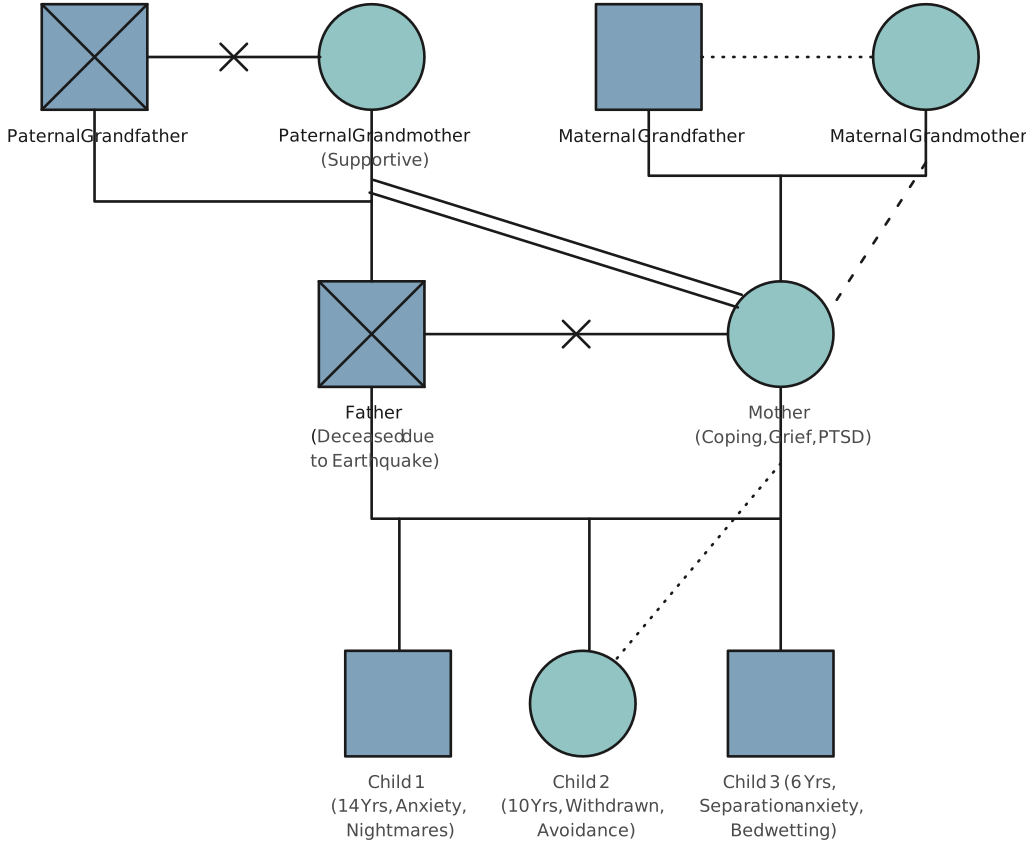
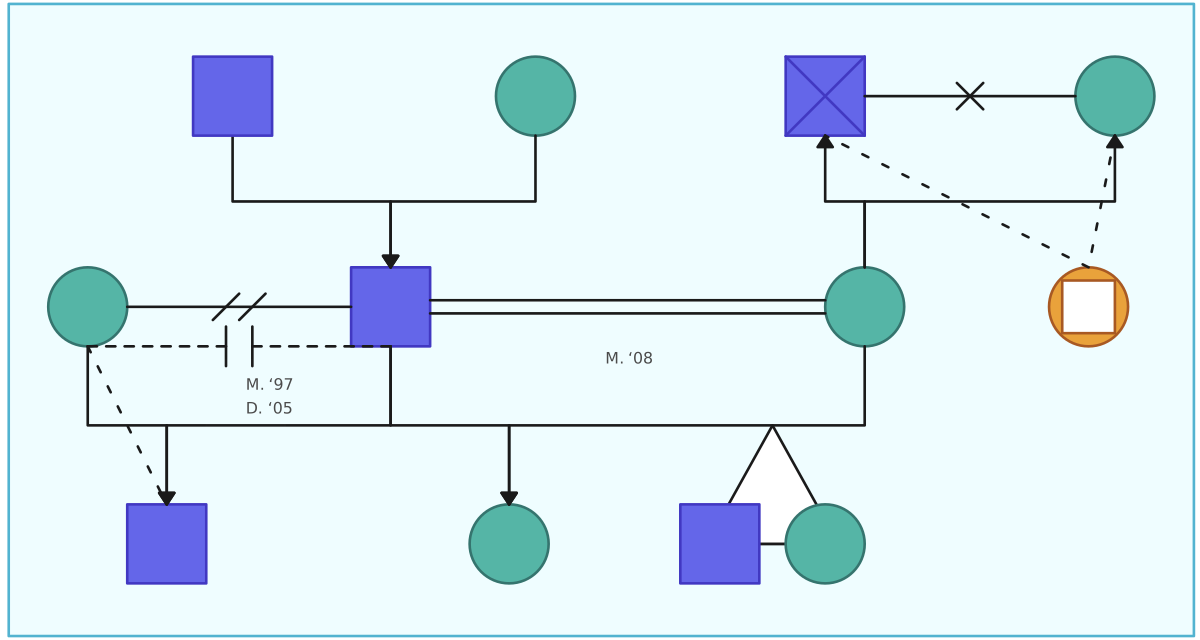
Structural Relationships
- Living arrangements
- Caregiving roles
- Major shifts in family roles (e.g., parentification)
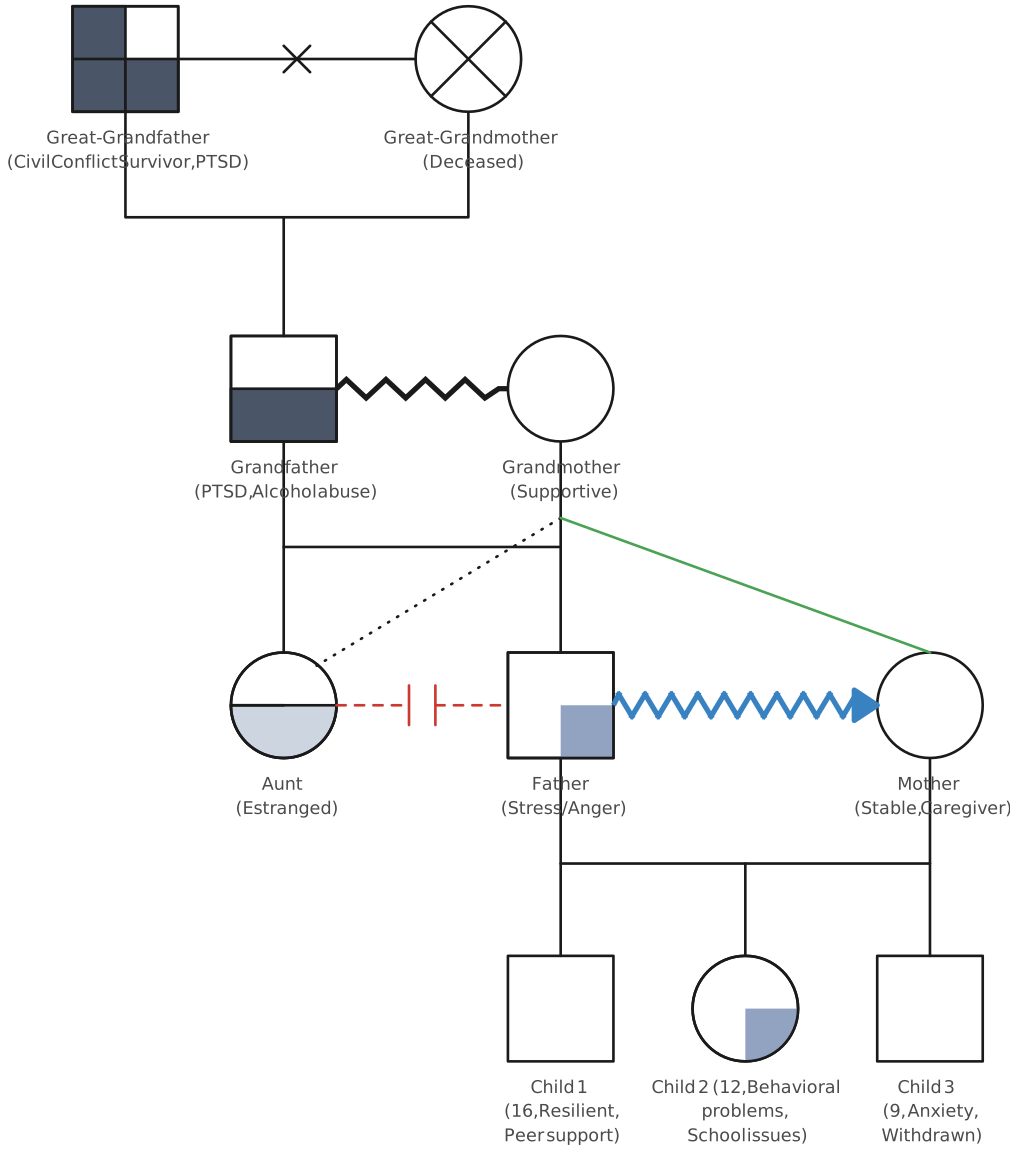
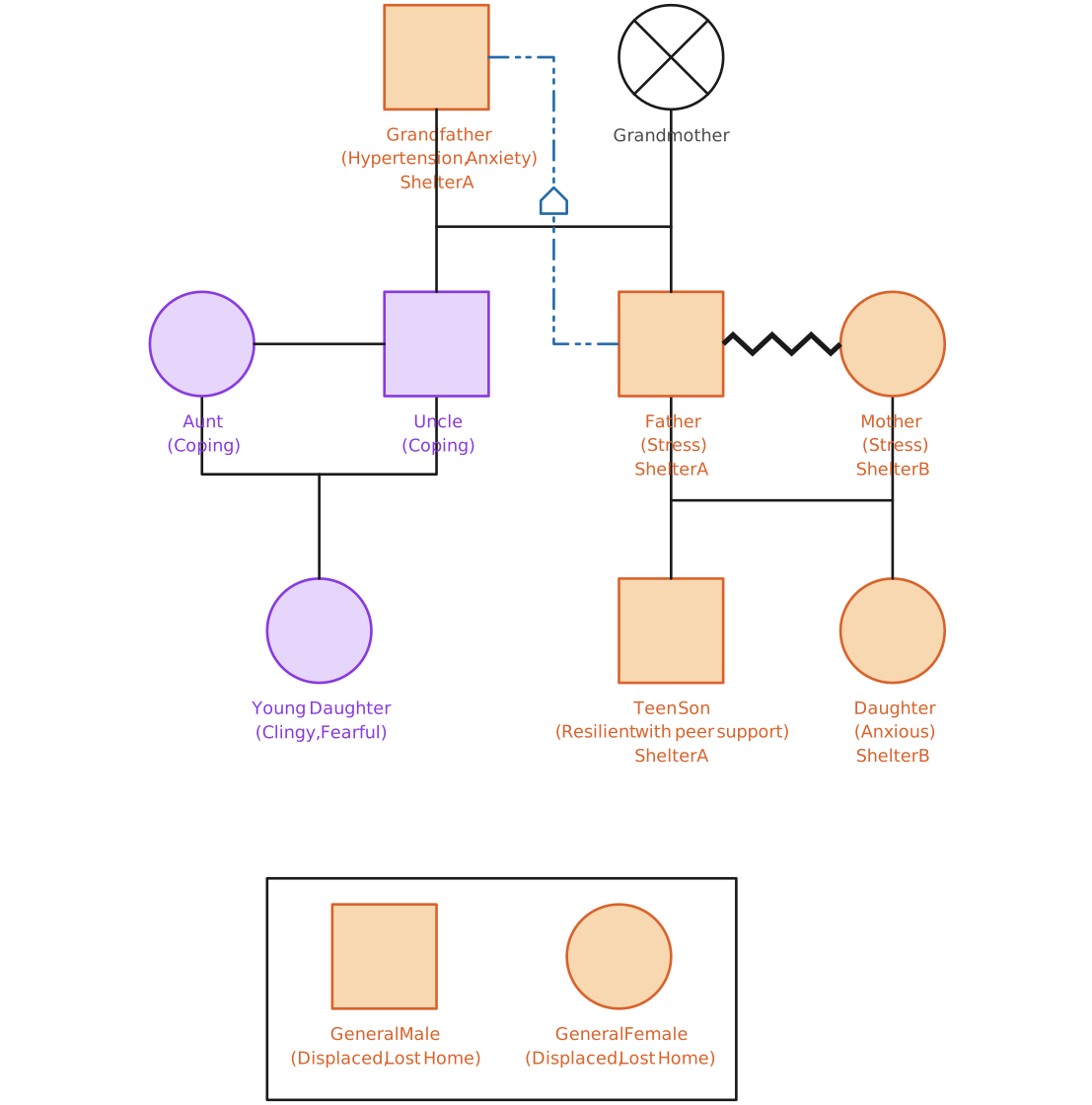
These relational layers give a textured view of the client’s environment and help pinpoint recurring patterns.
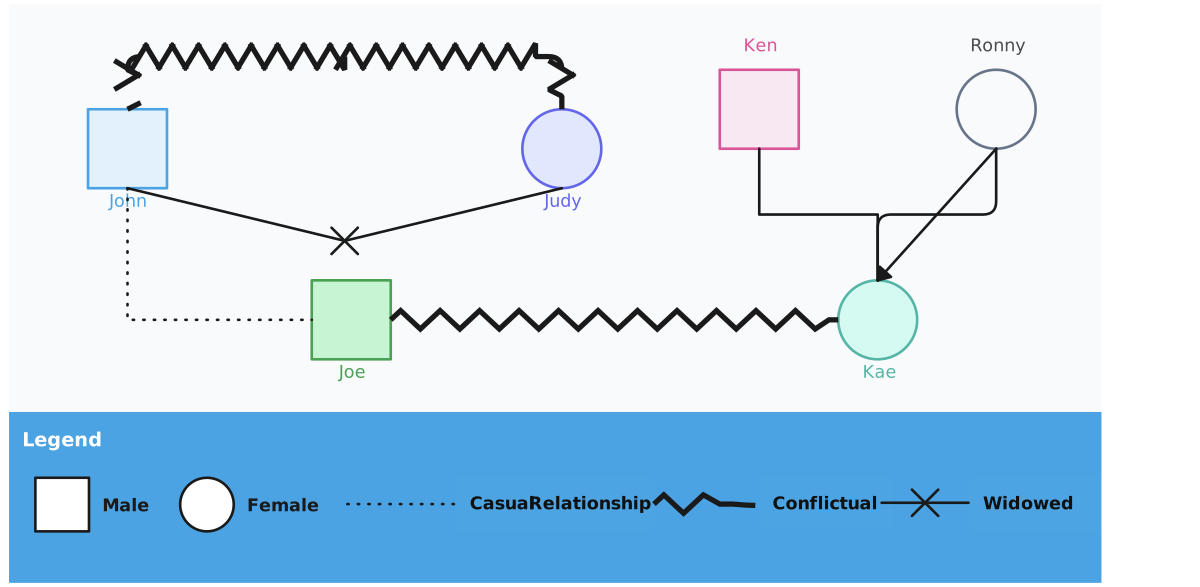
Symbols (High-Level Overview)
It’s important to acknowledge that genogram symbols are the visual language of genogram therapy. They help standardize how family members, relationships, and experiences are represented.
Typical symbol categories include:
- Gender markers
- Relationship lines
- Emotional connections
- Significant life events
These help therapists read and share genograms with clarity and consistency, especially when collaborating across teams.
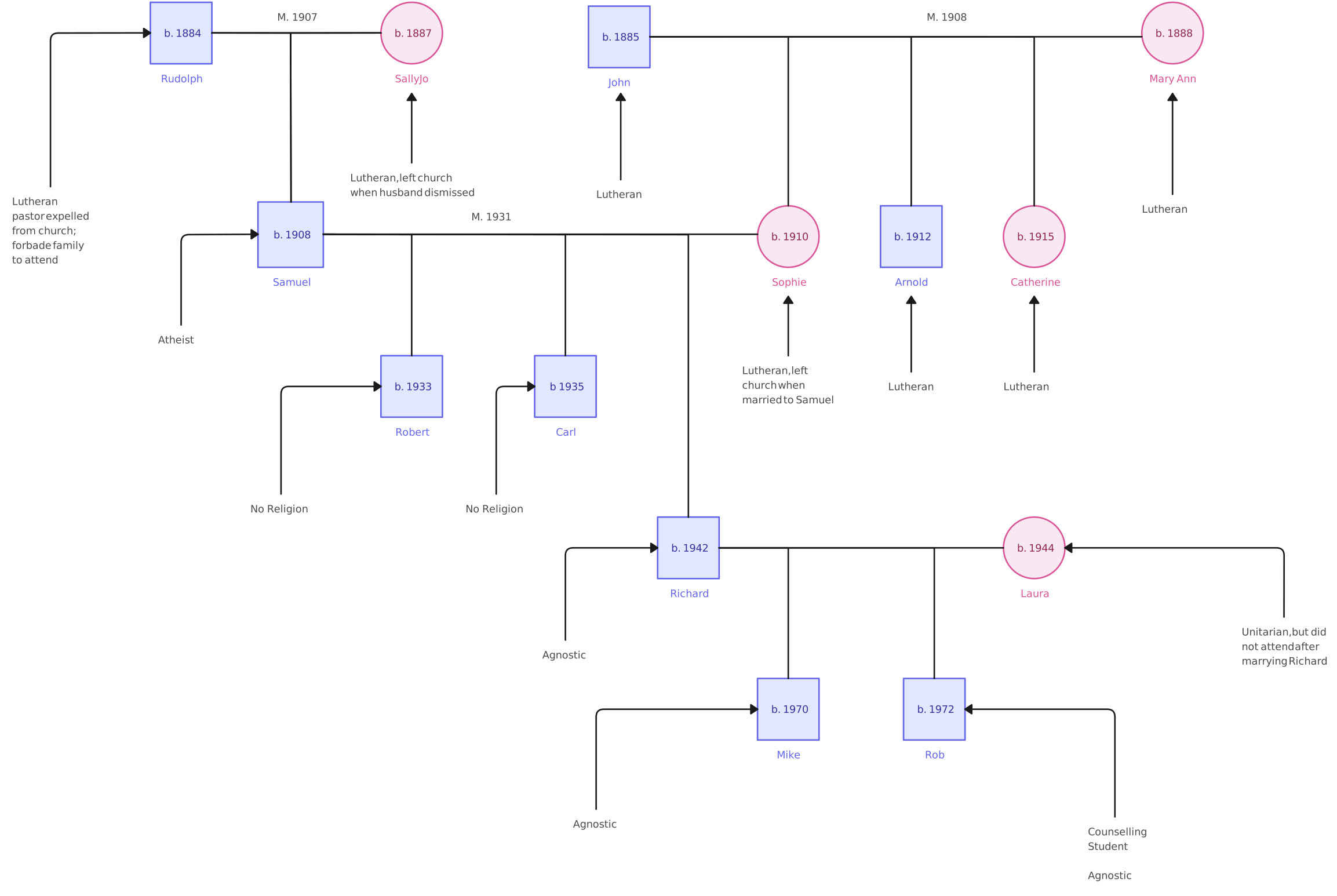
Health, Cultural, Spiritual, Social & Career Patterns
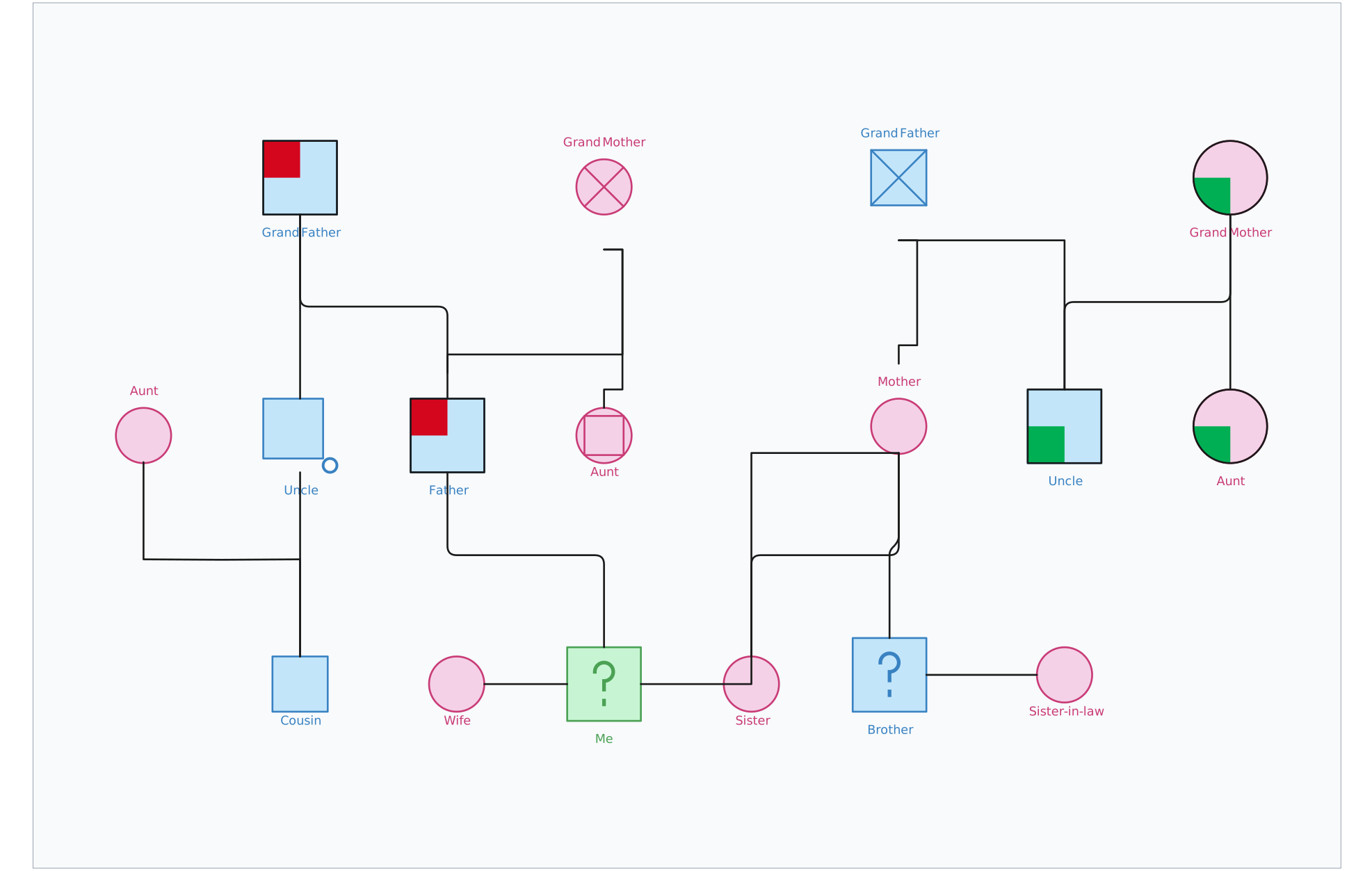
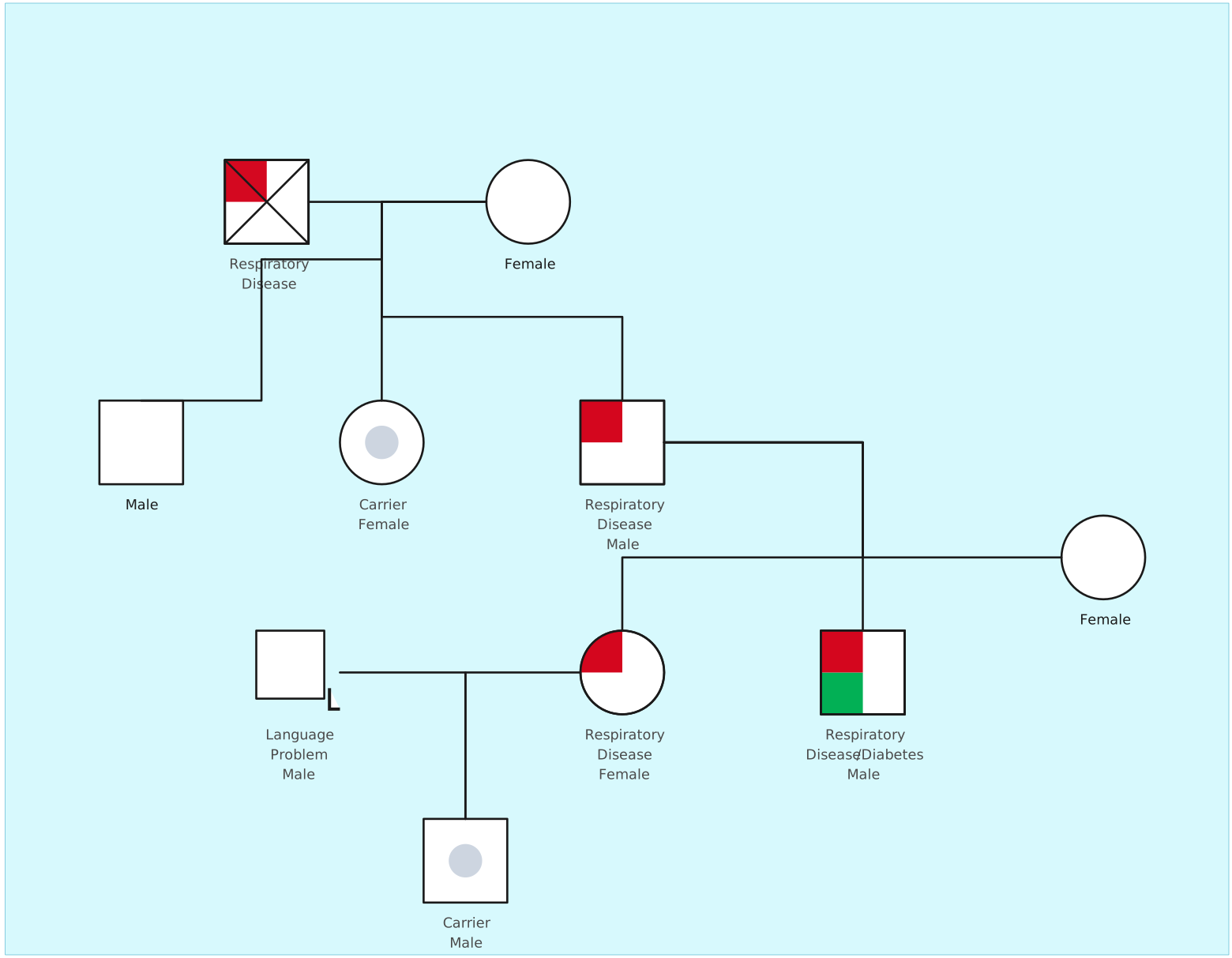
A well-rounded genogram includes non-relational elements that influence a client’s wellbeing. Depending on the therapeutic focus, therapists may map:
Health Patterns
- Mental health conditions
- Chronic illnesses
- Substance use
- Genetic risks
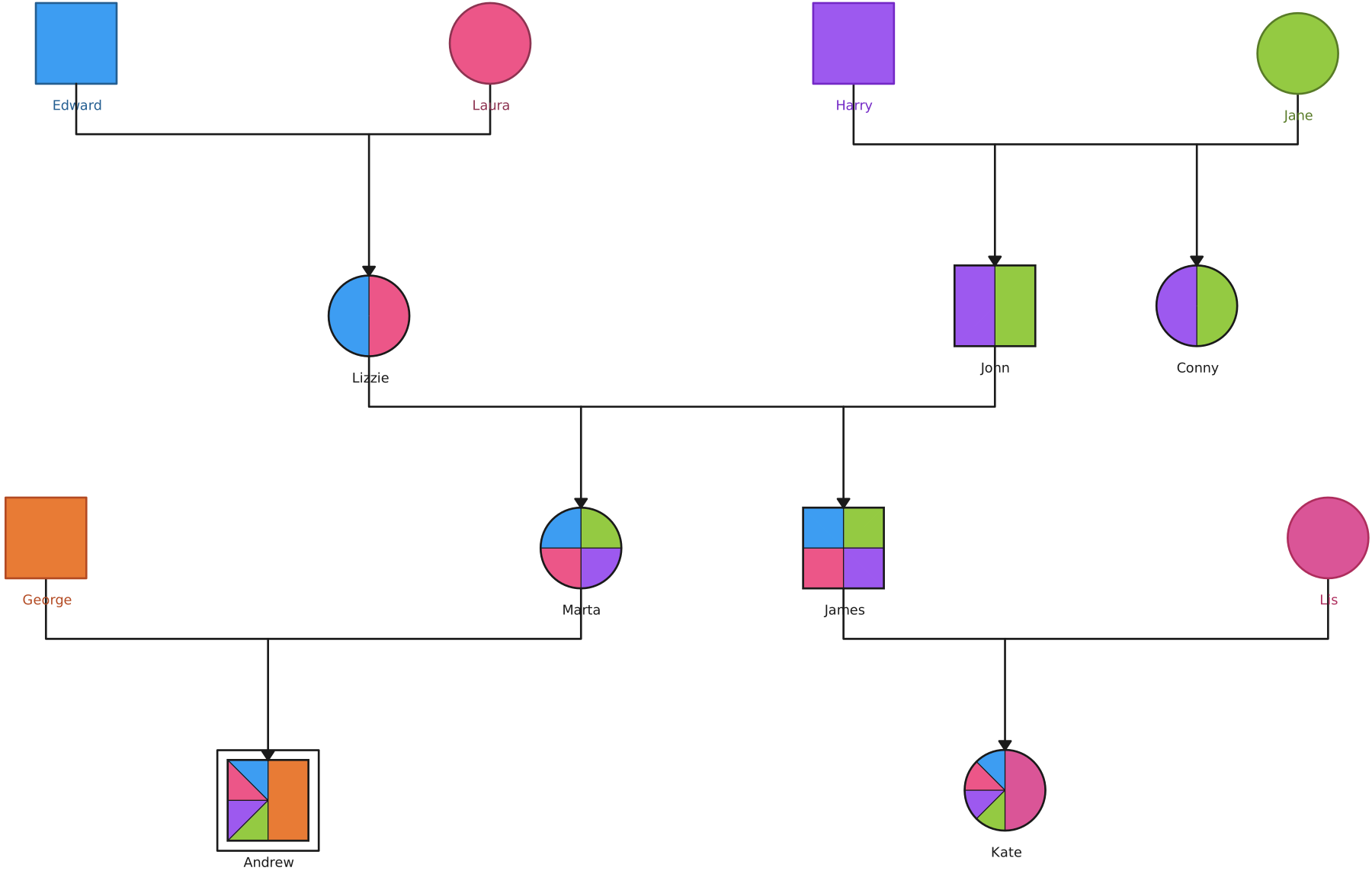
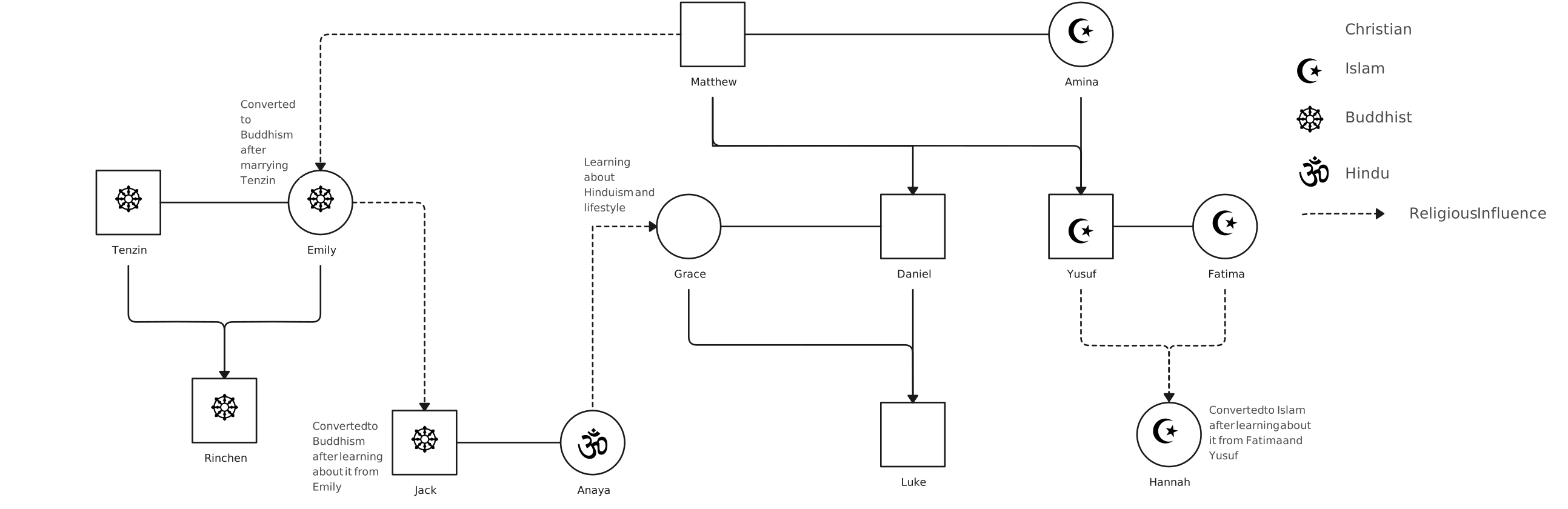
Cultural & Spiritual Factors
- Traditions and belief systems
- Cultural expectations
- Faith-related dynamics
Social Layers
- Major life stressors
- Social support systems
- Role expectations

Career/Educational Paths
- Job patterns across generations
- Academic achievements or barriers
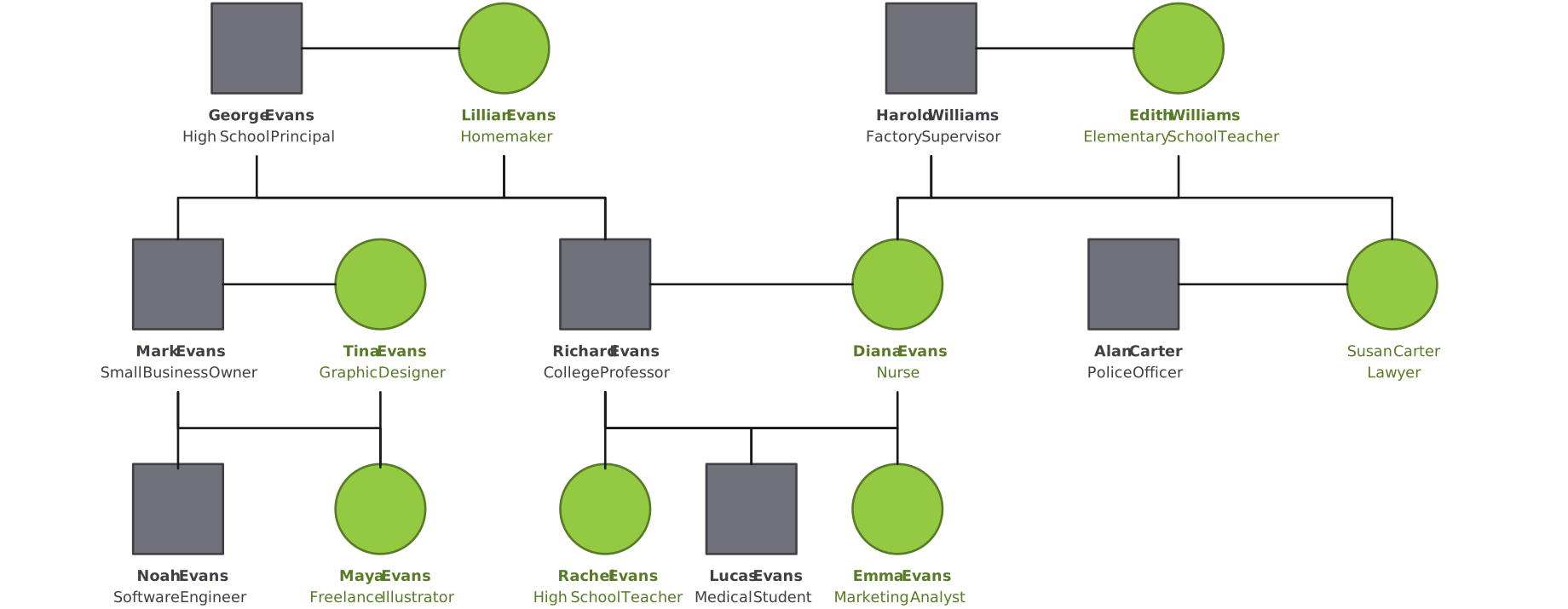
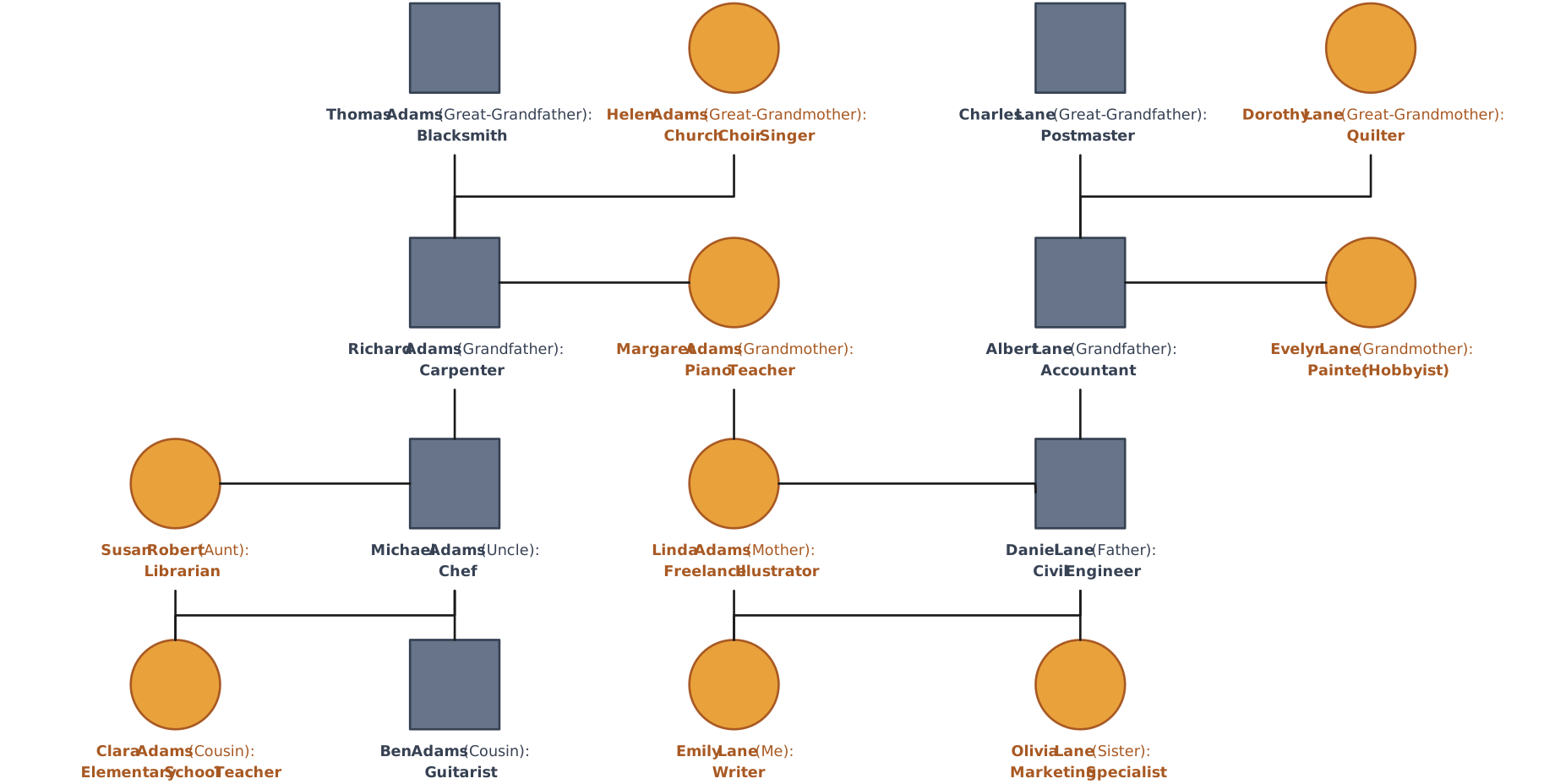
These dimensions reveal how family history and identity shape the client’s experiences today.
Best-Practice Note-Taking Approaches
To make the genogram actionable, therapists often accompany visual elements with concise notes. Best practices include:
- Keeping annotations brief and consistent
- Highlighting key events (trauma, migration, major transitions)
- Avoiding personal bias or assumptions
- Updating the genogram across sessions
- Using color codes for clarity (e.g., health vs. relationships vs. cultural markers)
When done well, these notes turn the genogram into a dynamic, evolving tool that supports ongoing insight and therapeutic progress.
Using Genograms in Therapy Sessions
Using a genogram in therapy transforms abstract family stories into clear, actionable insights. Whether you’re in the assessment phase, planning treatment, or tracking progress, genograms provide a visual roadmap that makes complex dynamics instantly understandable. Here’s how therapists typically leverage genograms in therapy across different stages.
Assessment Phase
The assessment phase is where a genogram shines. By mapping a client’s family structure, relationships, and patterns, therapists can quickly:
- Identify family roles, hierarchies, and alliances
- Recognize emotional connections and conflicts
- Spot recurring behaviors, traumas, or health concerns
- Understand client history in context
Using genograms in therapy during assessment saves time and provides a comprehensive snapshot that might take multiple sessions to gather through conversation alone.
Treatment Planning
Once the assessment is complete, a therapy genogram becomes a blueprint for intervention. It helps therapists:
- Prioritize which issues to address first
- Identify key family members to involve in sessions
- Tailor interventions to relational patterns and emotional dynamics
- Plan for potential resistance or challenges within the family system
Visualizing the family system ensures that treatment plans are grounded in a realistic, systemic understanding rather than isolated anecdotes.
Exploring Intergenerational Trauma
A major advantage of therapy genograms is their ability to reveal patterns that span generations. They help uncover:
- Repeated cycles of conflict or abuse
- Inherited coping mechanisms
- Long-standing relational dysfunction
- Cultural or familial expectations affecting client behavior
By seeing these intergenerational patterns, clients and therapists can work together to break unhealthy cycles and foster healing.
Tracking Progress Over Time
A genogram isn’t a static tool. Updated regularly, it can track changes and growth, such as:
- Shifts in emotional connections
- Improved communication or conflict resolution
- Health or behavioral milestones
- New family developments
Using genograms in therapy as a living document provides clarity for both therapists and clients, making progress tangible and reinforcing positive changes visually. Here’s a quick breakdown of how to make a therapy genogram.
The Benefits of Genograms in Family Therapy
The benefits of genograms in family therapy extend to both therapists and clients, offering a clear, visual way to understand complex family dynamics. By mapping relationships, patterns, and histories, genograms provide insights that traditional notes or conversations often miss.
Here’s why therapists and clients alike find genograms invaluable:
- Quickly Identify Patterns Across Generations – Spot recurring behaviors, conflicts, or health issues that influence current family dynamics.
- Reveal Emotional Connections – Understand the quality of relationships, from supportive bonds to tension or estrangement.
- Improve Assessment Accuracy – Capture detailed family histories in one visual snapshot, reducing gaps and assumptions.
- Guide Treatment Planning – Use the genogram as a roadmap to prioritize interventions and target systemic issues.
- Facilitate Client Insight – Clients often recognize patterns themselves when they see their family visually represented, boosting engagement and self-awareness.
- Track Progress Over Time – Updated genograms reflect changes in relationships, behaviors, or emotional growth throughout therapy.
- Enhance Communication with Teams – Share visual family maps with supervisors, colleagues, or multidisciplinary teams for consistent understanding.
- Support Difficult Conversations – Providing a neutral, visual reference makes discussing sensitive topics easier and less confrontational.
In short, the benefits of genograms in family therapy lie in clarity, speed, and insight, helping therapists work smarter and clients feel understood.
How Creately Simplifies Genograms in Therapy
Creating and maintaining a therapy genogram can quickly become overwhelming if your workflow relies on scattered notes, slow updates, or multiple disconnected files. That’s where Creately steps in, turning complex family mapping into a seamless, intuitive experience for modern therapists and teams.
Brainstorm & Capture Ideas
Creately makes it easy to gather information and plan genograms before formalizing them:
- Use sticky notes for client observations, relationships, or events
- Build mindmaps to explore patterns, issues, treatment plans, etc.
- Capture ideas quickly in a structured, visual way
This step ensures no detail gets lost and sets the foundation for an accurate genogram.
Build Your Therapy Genogram
Transform your brainstorming into a professional, easy-to-read therapy genogram:
- Infinite canvas allows you to map multi-generational families without space limits
- A large genogram symbol library with standard genogram symbols including:
- Male/female symbols
- Marriage, divorce, separation markers
- Child connector bar, adoption and foster indicators
- Emotional relationship lines (close, distant, conflict, etc.)
- Structural relationship markers
- Intelligent relationship connectors that snap into place and adjust automatically — no frustrating manual alignment
- Drag-and-drop diagramming tools make creating or updating relationships fast and intuitive
- Ready-made genogram templates save time while maintaining accuracy
Therapists can instantly see emotional dynamics, structural relationships, and family history clearly, all in one visual space.
Turn Insights into Action
Creately keeps your genograms actionable and easy to interpret:
- Centralized documentation for all client notes
- Version history tracks changes over time
- Notes panel and contextual comments allow annotations without cluttering the diagram
This makes it easy to identify patterns, plan interventions, and strategize therapy sessions efficiently.
Organize Details with Clarity
Bring your genograms to life with additional context:
- Add links, multimedia, or supporting documents directly to the diagram
- Use color codes, tags, and formatting to highlight critical relationships or recurring patterns
- Organize complex family data intuitively
Collaborate Seamlessly with Your Team
Therapy often involves teamwork, supervision, or multi-disciplinary input. Creately supports seamless collaboration:
- @mentions and multiple cursors for real-time edits
- Contextual comments for discussion without cluttering the visual
- Secure sharing with access control ensures client confidentiality
- Export your diagrams in multiple formats: PDF, SVG, PNG, JPEG
These features make it easier to include in reports or share with authorized colleagues.
Why Creately “Just Works”
Creately combines speed, clarity, and flexibility, exactly what modern therapists need. No more messy notes or scattered files. No more wasting time updating diagrams manually. Everything you need for using genograms in therapy is centralized, visually intuitive, and collaborative, helping you focus on what matters most: supporting your clients.
Try Creately today and see how easy it is to build therapy genograms that truly capture family dynamics.
Bringing Clarity & Connection to Every Session
Genograms are more than diagrams, they’re a powerful tool for unlocking family stories, revealing hidden patterns, and guiding therapy with confidence. By incorporating genograms in therapy, therapists can move from scattered notes to clear visual maps, helping clients see their own histories and relationships in a new light. With modern visual tools like Creately, creating, updating, and sharing genograms is easier than ever, giving therapists the clarity, speed, and insight they need while empowering clients to understand and change long-standing patterns. More clarity, less chaos, and better client breakthroughs, that’s the real power of genograms in therapy.
Helpful Resources
Easily visualize the family structure and the relationships between family members.
Explore the most widely used family therapy models, their key techniques and interventions, and how visual tools like genograms and family trees can simplify the process.
Explore the core concepts and techniques of structural family therapy, the insights from Minuchin’s family systems theory, and how genogram mapping helps visualize and transform family relationships.
Learn what strategic family therapy is, explores its core principles, and shows you how to use techniques, interventions, genograms, and family trees to create meaningful change.
Discover resource planning templates to streamline project execution. Organize resources, minimize bottlenecks, and ensure project success with Creately.
Everything you need to know about family mapping, including how to use genograms and family trees, and even provide ready-to-use templates to help you start mapping families with clarity, speed, and confidence.
Compare Strategic vs Structural Family Therapy in a clear, approachable way, helping you understand the purpose, techniques, and differences between the two models.
Explore key concepts of family systems theory to understand patterns, roles, and intergenerational dynamics using a clear visual tool.
Explore different types of genograms that you can create using Creately.
Build detailed genograms effortlessly to visualize patterns, uncover emotional connections, and support informed decision-making in therapy, healthcare, and research.