Ever feel like your team’s workflows are scattered across endless emails, spreadsheets, and half-finished diagrams? Enter the line and staff organization, a structure designed to bring clarity, balance authority with expertise, and make your team’s reporting lines crystal clear.
In this guide, we’ll break down what a line and staff organizational chart is, explore its key features, highlight practical templates you can use, weigh its advantages and disadvantages, and show when this structure works best.
What Is a Line and Staff Organization Chart?
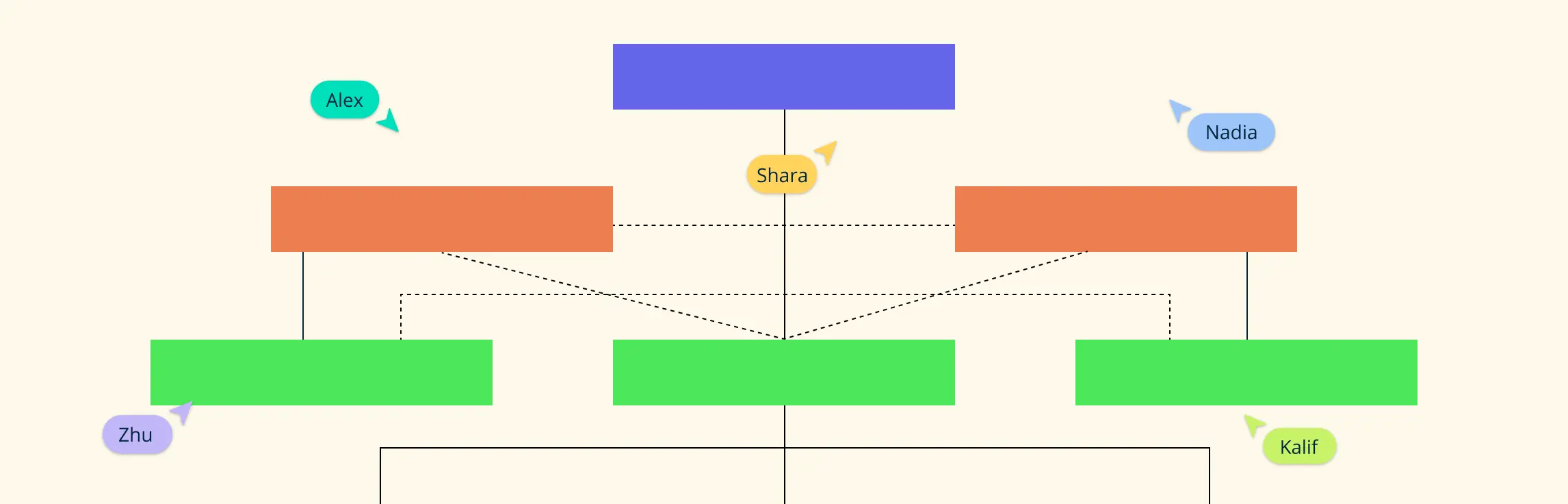
A line and staff organization chart is a visual representation of a company’s structure where direct authority (line roles) and advisory roles (staff roles) coexist. This type of line and staff organizational structure clearly shows who makes decisions, who provides expert guidance, and how responsibilities flow across the organization.
In this setup, line authority refers to managers or supervisors who have direct control over subordinates and are responsible for achieving organizational goals. Staff authority, on the other hand, is advisory, these individuals or departments provide specialized knowledge, recommendations, and support to help line managers make informed decisions.
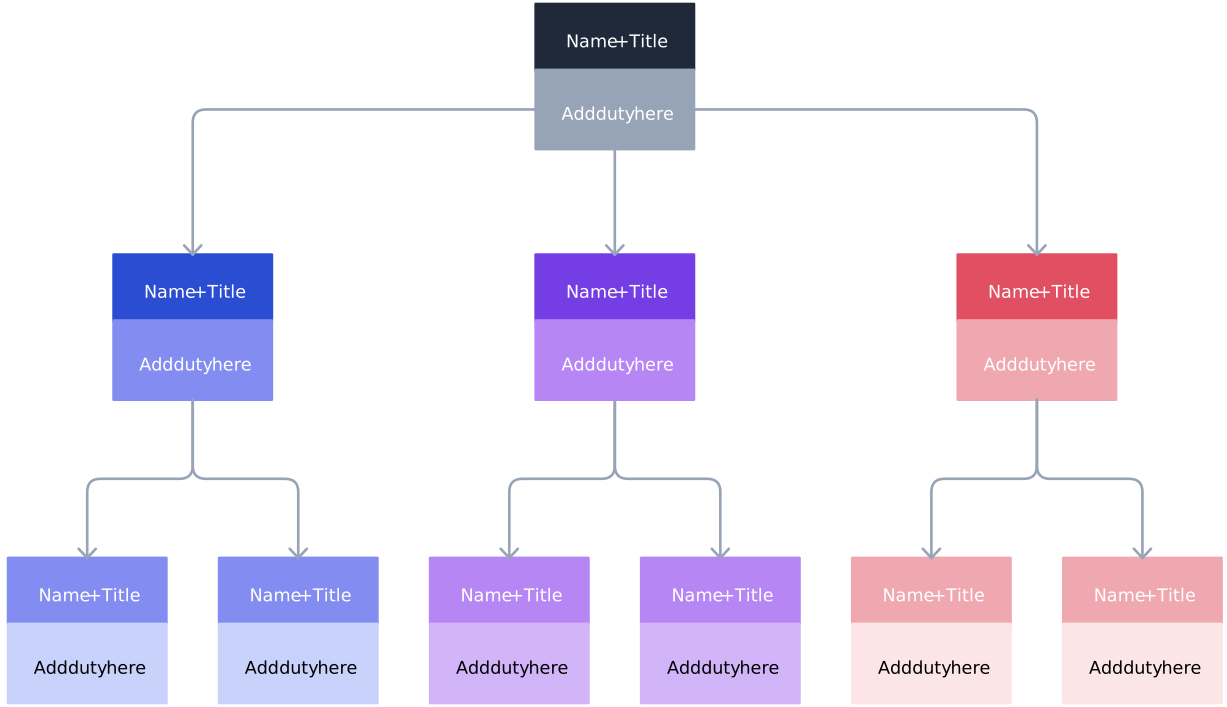

When to Use a Line and Staff Organization
A line and staff organizational structure works best in situations where clarity, expertise, and efficient decision-making are critical. Here’s when it shines:
1. Medium to Large Organizations
As teams grow, so do responsibilities and reporting lines. A line and staff structure helps maintain order, clearly defining who makes decisions (line roles) and who provides specialized guidance (staff roles), keeping the workflow smooth and organized.
2. When Specialized Advice Is Needed
Some decisions require expert input, like finance approvals, HR policies, or technical guidance. By combining line authority with staff expertise, managers get the insights they need without slowing down day-to-day operations.
3. When to Avoid It
For very small teams or hyper-agile startups, a formal line and staff setup may feel restrictive. In these cases, flexibility and quick, flat decision-making often outweigh the benefits of clearly separated line and staff roles.
Using a line and staff organizational chart in the right context ensures teams operate efficiently, reduce confusion, and make decisions with confidence without overcomplicating the structure.
Key Components of a Line and Staff Org Structure
A well-designed line and staff organizational structure is built on a few essential components that work together to create clarity, speed, and balance. Understanding these elements makes it easier to design an effective line and staff organizational chart that actually supports how teams work.
1. Line Authority (Core Decision-Makers)
Line authority forms the backbone of the structure. These roles have direct responsibility for achieving organizational goals and managing day-to-day operations. They sit clearly within the reporting hierarchy, ensuring accountability and fast decision-making across functional teams.
2. Staff Authority (Advisory & Support Roles)
Staff roles exist to advise, support, and guide line managers with specialized expertise—such as HR, finance, legal, IT, or analytics. While they don’t issue direct orders, their insights help leaders make smarter, more informed decisions without disrupting the chain of command.
3. Clear Reporting Relationships
One of the most critical components is clearly defined reporting lines. A visual line and staff organizational chart shows who reports to whom and where advisory relationships exist, reducing confusion and strengthening decision-making clarity.
4. Defined Responsibilities and Boundaries
Successful line and staff structures clearly outline where authority begins and ends. Line managers retain final decision power, while staff functions focus on guidance and analysis. This balance prevents overlap, conflict, and delays.
5. Visual Representation for Modern Workflows
In modern, fast-moving organizations, visual clarity matters. Mapping these components in an org chart helps teams quickly understand roles, collaborate effectively, and adapt as the organization grows or changes.
Key Features of a Line and Staff Organizational Structure
A line and staff organizational structure is more than just boxes and lines—it’s a blueprint for clarity, collaboration, and effective decision-making. Here are the key features that make this structure stand out:
1. Clear Chain of Command for Line Functions
In a line and staff setup, line roles have direct authority over their teams. This creates a reporting hierarchy that’s easy to follow, so everyone knows exactly who to report to, who makes final decisions, and how tasks flow. For modern teams juggling multiple projects, this clarity reduces bottlenecks and confusion.
2. Advisory Roles and Specialized Support Through Staff Positions
Staff positions are the experts behind the scenes—think HR advisors, finance consultants, or marketing analysts. They provide specialized guidance to line managers, helping functional teams make informed decisions without taking over the direct chain of command. This ensures that expertise is leveraged effectively across the organization.
3. Balance Between Authority and Expertise
One of the greatest strengths of a line and staff structure is the balance it creates between authority and knowledge. Line managers maintain decision-making power, while staff members contribute insight and analysis. This synergy enhances decision-making clarity and keeps modern workflows efficient and well-coordinated.
By combining a structured chain of command with expert support, the line and staff organizational structure ensures teams operate smoothly, responsibilities are well-defined, and collaboration is smarter, not messier.
Examples of Line and Staff Organizations
Different organizations apply the line and staff organizational structure in different ways depending on their size, industry, and operational complexity. Below are practical examples showing how line and staff orgs work in real-world scenarios—along with their key features and benefits.
| Example of Line and Staff Org | Roles | Key Features | Benefits |
| Manufacturing Company | Plant Manager, Production Supervisors, Quality Control, HR, Safety Officers | Strong reporting hierarchy, clear authority for operations, staff advisory support | Faster operational decisions, improved compliance, reduced production errors |
| Corporate Marketing Team | Marketing Director, Campaign Managers, Analytics, Brand Strategy, Legal | Clear line authority with expert advisory input | Data-driven campaigns, fewer risks, faster go-to-market |
| Hospital or Healthcare Organization | Medical Director, Department Heads, HR, Finance, Legal, Compliance | Line authority for patient care, staff support for regulations | Better patient outcomes, compliance clarity, reduced operational risk |
| Educational Institution | Principal, Department Heads, HR, Finance, IT, Academic Advisors | Defined reporting lines with centralized advisory teams | Improved coordination, clearer responsibilities, smoother academic operations |
| Large Technology Company | Product Managers, Engineering Leads, UX Research, Security, Finance, HR | Flexible line and staff structure supporting modern workflows | Scalable growth, better cross-team collaboration, faster problem-solving |
How Does a Line and Staff Org Structure Work
A line and staff organizational structure works by clearly separating decision-making authority from advisory support, creating a balance that keeps workflows efficient and organized. Here’s how it functions in practice:
1. Direct Authority Through Line Roles
Line roles, such as managers and department heads, hold direct authority over their teams. They are responsible for achieving goals, assigning tasks, and ensuring day-to-day operations run smoothly. This establishes a clear reporting hierarchy, so everyone knows who makes decisions and who is accountable.
2. Advisory Support Through Staff Roles
Staff roles serve as specialized advisors, providing expertise without interfering with the chain of command. Examples include HR, finance, IT, legal, or analytics teams. Staff members offer recommendations, analysis, and guidance, helping line managers make informed decisions faster and more accurately.
3. Communication and Workflow
The structure works best when communication channels are clear. Line managers consult staff for input, staff provide their insights, and line managers implement decisions. This ensures decision-making clarity and prevents workflow bottlenecks.
4. Visual Representation in Org Charts
Visualizing the structure with a line and staff organizational chart helps teams see relationships at a glance. It clearly distinguishes between line authority and staff advisory roles, making it easier to manage responsibilities and coordinate tasks across functional teams.
5. Flexibility for Modern Teams
Even in fast-growing or hybrid teams, this structure adapts well. With tools like Creately, updates to reporting lines or staff roles can be made in real time, keeping the organization aligned as it evolves.
Line and Staff Org Chart Templates
Creating a line and staff organizational chart from scratch can feel overwhelming—but it doesn’t have to be. With Creately’s ready-made templates, you can map out your team’s structure in minutes, turning messy workflows into a clear visual roadmap.
Here are a few templates designed to suit different needs:
1. Basic Line and Staff Org Chart
Perfect for small teams or startups, this template helps you quickly define line roles and staff advisory positions without unnecessary complexity.
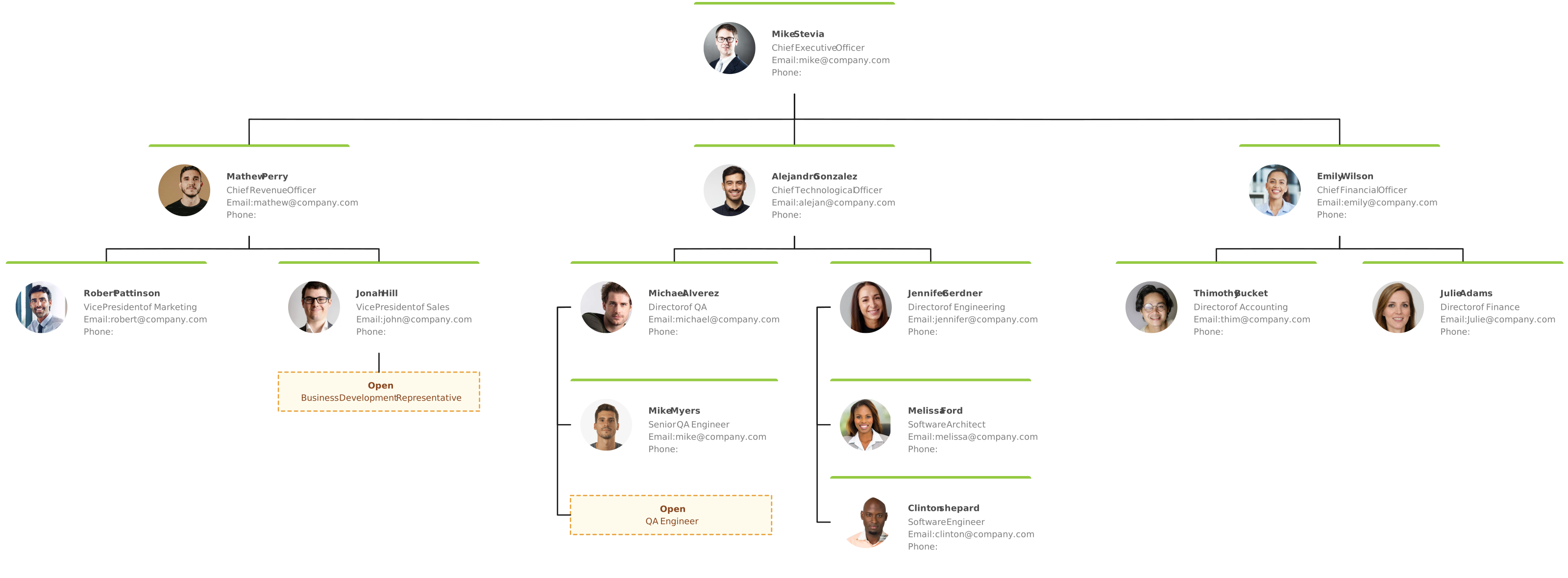
2. Departmental Line and Staff Structure
Ideal for medium to large organizations with multiple functional teams. This template clearly separates departments, showing both line authority and staff expertise across functions.
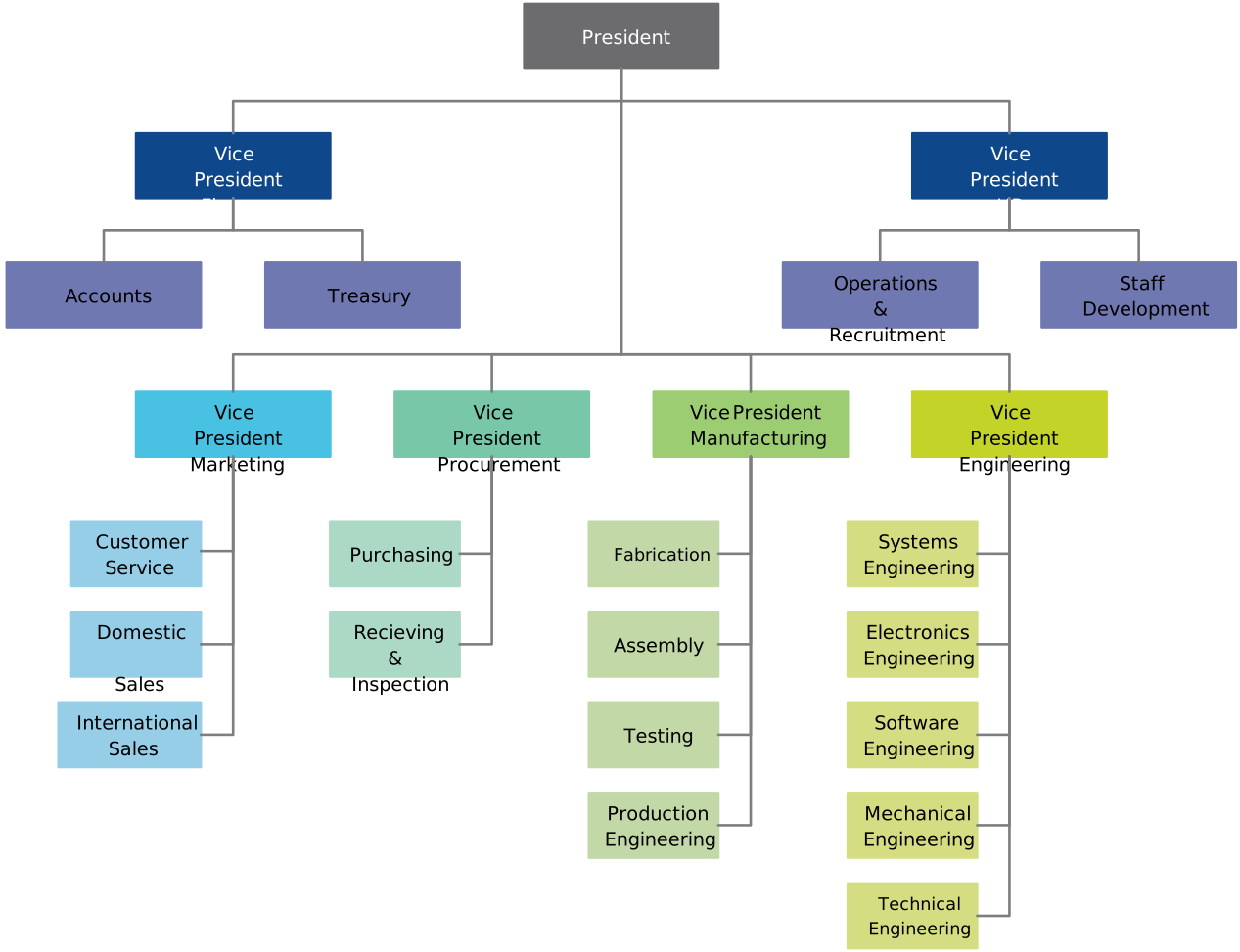
3. Dynamic Modern Org Chart
Designed for fast-growing or remote teams, this template allows flexibility, real-time updates, and collaborative edits, keeping everyone aligned no matter where they work.
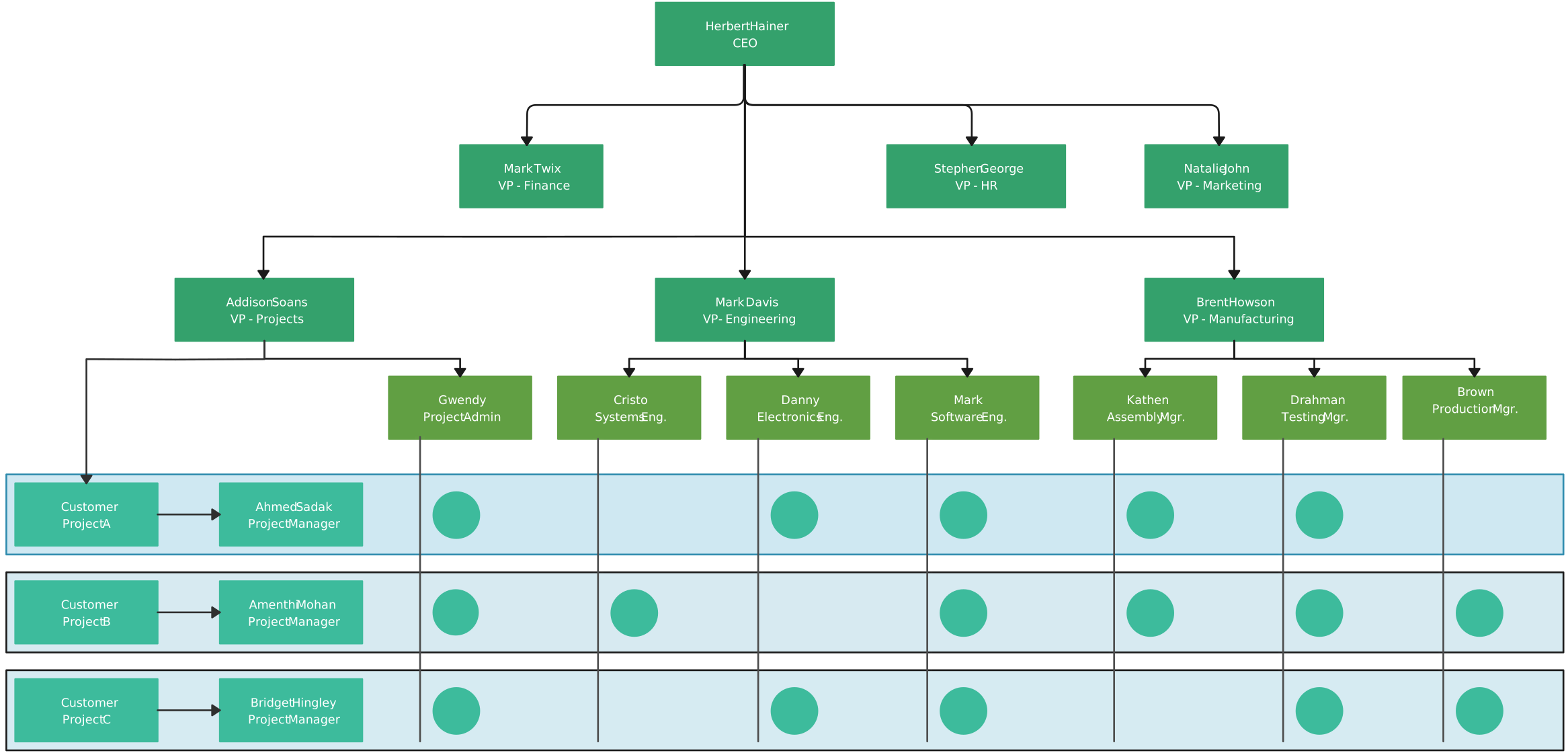
Pro Tip: Templates aren’t just starting points. They’re springboards for clarity and speed. Customize them to reflect your unique team, assign roles instantly, and watch your workflow become smoother and more efficient.
These org chart templates in Creately not only save time but also ensures your line and staff organizational structure is visually appealing, easy to understand, and ready for action.
Advantages and Disadvantages of Line and Staff Structure
Like any organizational model, a line and staff structure comes with its own set of strengths and challenges. Understanding both sides helps teams implement it effectively and avoid common pitfalls.
Advantages | Disadvantages |
| Clear Chain of Command Line and staff roles create a defined reporting hierarchy, improving decision-making and accountability. | Communication Challenges Misunderstandings can occur between line managers and staff, causing delays or confusion. |
| Difficulty in Staff Integration Ensuring collaboration between line and staff roles requires strong communication and culture alignment. – Staff members provide expert advice in areas like HR, finance, or marketing to support line managers. | Potential Conflict Differences in perspectives or priorities may lead to tension between line and staff roles. |
| Efficiency and Productivity Staff handle research, analysis, and coordination, allowing line managers to focus on core responsibilities. | Power Struggles Line managers may resist staff input, creating imbalances in authority. |
| Better Decision-Making Access to staff insights and alternative perspectives improves evaluation and risk management. | Over-Emphasis on Staff Roles Too much focus on staff can misallocate resources or slow operational decisions. |
| Flexibility and Adaptability Staff roles can be adjusted as organizational needs change. | Lack of Accountability Confusion may arise over who is responsible for decisions and outcomes. |
| Career Development Opportunities Staff members can grow and specialize without moving into line management. | Complexity and Bureaucracy Multiple layers may slow decision-making and reduce agility. |
| Focus on Core Competencies Employees concentrate on strengths while line managers oversee operations. | Resistance to Change Employees may resist the structure if it seems to threaten authority or roles. |
| Improved Organizational Control Staff assist in implementing policies and strategies effectively. | Difficulty in Staff Integration Ensuring collaboration between line and staff roles requires strong communication and culture alignment. |
How to Draw a Line and Staff Org Chart with Creately
Creating a line and staff organizational chart doesn’t have to be complicated. With Creately’s org chart software, you can turn messy reporting lines into a clear visual map in just a few steps. Here’s how to do it:
Step 1: Start with a Template
Open Creately and choose a line and staff org chart template. Templates are designed with predefined line roles and staff positions, giving you a head start. This saves time and ensures your chart follows best practices for hierarchy and clarity.
Step 2: Add Line Roles
Drag and drop shapes to add your line positions—these are your core decision-makers, like department heads or team leads. Use Creately’s intuitive connectors to show reporting relationships and establish a clear chain of command.
Step 3: Add Staff Roles
Next, add staff or advisory positions. Position them in relation to the line roles they support. Creately allows you to differentiate staff roles visually using colors, shapes, or labels, making it easy to distinguish advisory roles from line authority.
Step 4: Customize Roles and Details
Click on any shape to add names, titles, or responsibilities. You can also attach notes or links for more context. This feature is perfect for capturing expertise, responsibilities, and key functions of staff positions.
Step 5: Connect and Arrange
Use Creately’s smart connectors to map reporting lines and advisory relationships. The drag-and-drop interface automatically keeps everything aligned, so your line and staff organizational structure stays neat and readable.
Step 6: Collaborate in Real Time
Share your chart with team members for input. Creately supports real-time collaboration, so staff and managers can review, comment, or make updates instantly. This ensures your org chart reflects the most accurate, up-to-date structure.
Step 7: Finalize and Share
Once complete, export your org chart in multiple formats or embed it in presentations, reports, or internal portals. Your team now has a visual roadmap that clearly distinguishes line authority from staff support.
Pro Tip: Use color-coding or icons to highlight advisory roles versus decision-making positions. This makes the chart easier to read and turns it into a tool that everyone can quickly understand and use.
Final Thoughts: Why Creately Makes Line and Staff Org Charts Easy
A line and staff organizational structure doesn’t have to be complicated. By combining clear line authority with specialized staff support, it provides teams with clarity, faster decision-making, and expert guidance exactly where it’s needed. With Creately, creating your line and staff org chart is simple: drag, drop, and connect roles with ready-made templates that save time and reduce confusion. Whether you’re building a small departmental chart or mapping out a multi-functional organization, Creately helps you turn scattered workflows into a clear visual roadmap. Start today and see how easy it is to bring order, insight, and efficiency to your team’s structure.
Helpful Resources
Explore rules for drawing organizational charts and org chart best practices to make your org chart more meaningful and useful.
Easily make organizational charts to visualize the reporting structure of your organization for effective HR planning and management with org chart maker.
Learn simple steps to create an org chart that fits your business, along with tips and tools to make it easy to build and update.
FAQs About Line and Staff Organization
What’s the difference between a line and staff organization and a functional structure?
Can line and staff structures work for remote or hybrid teams?
How often should a line and staff organizational chart be updated?
How can conflicts between line and staff roles be minimized?
Is Creately suitable for creating complex line and staff organizational charts?