Getting your line organizational structure right can make all the difference between a team that struggles and one that thrives. The way authority, communication, and decision-making flow in this structure shapes clarity, accountability, and overall performance. Whether you’re leading a small team or a growing business, mastering the line organizational structure helps streamline operations, empower your people, and turn everyday work into meaningful results.
What Is a Line Organizational Structure
A line organizational structure is a simple and straightforward way to organize a business, where authority flows in a direct, vertical line from top management to employees. Everyone reports to a single supervisor, making roles, responsibilities, and decision-making clear and easy to follow. This structure works best for small teams or traditional organizations because it speeds up communication, simplifies accountability, and helps everyone understand exactly who does what, keeping the team aligned and productive.
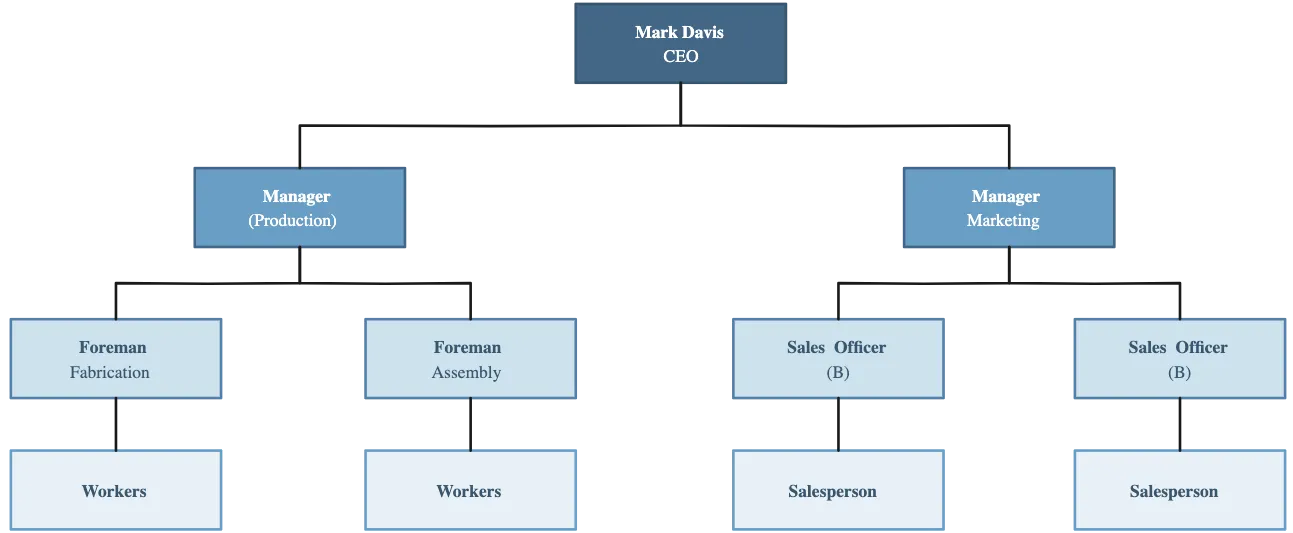
Line organizational structure example
In a small retail store, the store manager sits at the top, making key decisions and overseeing operations. Below them are department supervisors (like clothing, electronics, or customer service), who manage their teams of sales staff.
Everyone knows who to report to and what’s expected, which keeps communication clear, responsibilities simple, and workflow efficient. Instructions flow directly from the manager to supervisors, and from supervisors to employees, making the store easy to manage and accountability straightforward.
Key Characteristics of the Line Structure
The line organizational structure is simple, direct, and easy to understand, which is why it’s a favorite for many small businesses and traditional organizations. Here are the key characteristics you need to know:
Clear Chain of Command – Authority flows straight from top management down through each level. Every employee knows exactly who they report to, which reduces confusion and keeps everyone on track.
Unity of Command – Each employee has only one direct supervisor. This ensures that instructions are consistent, accountability is clear, and conflicts in decision-making are minimized.
Direct Communication – Communication follows the vertical chain, making it faster and more straightforward. Instructions and feedback move directly between supervisors and their teams.
Simple Hierarchy – The structure is easy to visualize, usually in a clear top-to-bottom chart. There are no complicated cross-reporting lines, making it perfect for beginners to grasp quickly.
Responsibility and Accountability – Every role has well-defined duties. Supervisors are accountable for their teams, and employees know what’s expected of them.
Top-Down Decision Making – Managers make decisions and pass them down the line. While this speeds up choices, it also requires managers to be confident and competent.
Best for Small or Stable Organizations – This structure works well where tasks are routine, teams are small, and the workflow doesn’t require specialized expertise.
When and Where to Use the Line Organization Structure
The line organization structure is simple, direct, and highly effective in the right situations. Knowing when and where to use it can save you confusion and improve your team’s performance.
Best situations to use a line structure:
Small organizations: Ideal for businesses with a compact team where roles and responsibilities are easy to manage.
Stable and routine work environments: Perfect when tasks are repetitive and processes don’t change often.
Clear authority is needed: When you want everyone to know exactly who to report to, reducing conflicts and confusion.
Fast decision-making is required: With authority concentrated at the top, managers can make decisions quickly without long approval chains.
Limited specialization: Works well when employees perform general tasks rather than highly specialized roles.
Where it works best:
Small retail stores: Store managers directly supervise department staff.
Family-owned businesses: Simple reporting lines keep operations smooth.
Manufacturing units: Clear roles help teams stick to processes and production schedules.
Military or emergency services (traditional examples): Clear chains of command ensure quick action and accountability.
How to Implement a Line Structure in an Organization
Implementing a line organizational structure is about creating clarity, accountability, and smooth workflow in your organization.
Step 1. Identify All Roles and Departments
Start by listing every position in your organization, from top management to entry-level staff.
Group similar roles into departments if applicable. For example, sales, operations, or customer service.
At this stage, think about who makes decisions, who supervises, and who executes tasks. This will help you set the chain of command later.
Step 2. Assign Clear Reporting Lines
In a line structure, each employee reports to only one supervisor.
Draw these connections on paper or using a tool. This helps everyone know who to approach for guidance, approvals, or feedback.
Avoid multiple reporting lines, as they create confusion and reduce accountability.
Step 3. Define Responsibilities for Each Role
Clearly outline tasks, duties, and decision-making authority for each position.
For supervisors, include responsibilities like coaching team members, approving work, and ensuring deadlines are met.
For team members, define their daily tasks, targets, and what decisions they can make independently.
This step ensures that everyone knows what is expected of them and reduces overlaps or gaps in work.
Step 4. Create a Visual Line Organization Chart
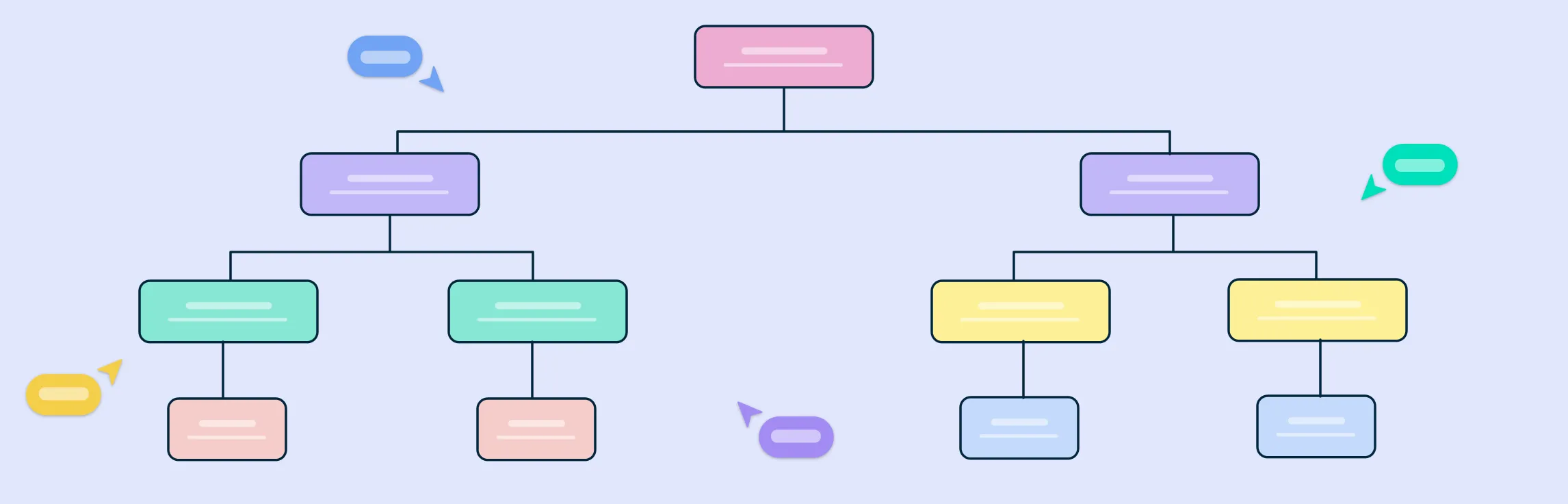
Draw a top-down line organization chart showing the hierarchy: top management at the top, supervisors below them, and employees under each supervisor.
Use boxes for roles and lines to show reporting relationships. This visual clearly communicates who reports to whom.
Creately’s org chart software makes creating these charts simple and beginner-friendly. You can:
Drag and drop pre-made org chart templates
Easily add or edit roles and departments
Attach notes, files, or links to any role for extra context
Use presentation mode to share the structure with your team
Export charts in multiple formats for reports or slides
A visual chart helps employees quickly understand the structure and their place within it, making the line organizational structure easier to follow and manage.
Step 5. Communicate the Structure to Your Team
Share the org chart and explain how it works. Make sure your team understands:
- Who they report to
- How communication flows
- What their responsibilities are
Encourage questions to ensure everyone feels confident about the new structure.
Step 6. Review and Adjust as Needed
As your organization grows or roles change, revisit the line structure.
Adjust reporting lines, responsibilities, or departments to keep things clear and efficient.
Regular review ensures the structure continues to support smooth workflow and accountability.
Advantages and Disadvantages of the Line Org Structure
| Advantages | Disadvantages |
| Simple and easy to understand – The structure is straightforward, making it ideal for beginners and small teams. | Over-reliance on managers – Decision-making depends heavily on top management, which can slow things if managers are unavailable. |
| Clear authority and accountability – Each employee reports to only one supervisor, reducing confusion. | Limited specialization – Employees may lack specialized support or expertise, which can be a problem in complex tasks. |
| Fast decision-making – With authority concentrated at the top, decisions can be made quickly. | Bottlenecks at top management – Top-level managers may become overloaded with decisions and approvals. |
| Direct communication – Instructions and feedback flow straight down the chain of command. | Autocratic tendencies – Managers may adopt a rigid, top-down approach, leaving little room for employee input. |
| Cost-effective for small organizations – Fewer managerial layers mean lower overhead costs. | Not ideal for large or dynamic organizations – As the team grows, the structure can become rigid and inflexible. |
| Strong discipline and clear roles – Employees understand their responsibilities and whom to report to. | Limited innovation – Focus on following orders can reduce creativity and collaboration. |
Helpful Resources
Learn what a product organizational structure is, explore common team models, key roles, pros and cons, and how to build a scalable product org chart.
Project organizational structure explained. Learn types, how to choose the right model, and use pre-made templates to map roles and reporting lines.
A practical guide to geographic organizational structure: pros, cons, free templates, and a step-by-step implementation plan for regional teams.
Learn the difference between functional and divisional organizational structures, with examples, pros & cons, a comparison table and guidance on which to choose.
Team‑based organizational structure: definition, benefits & drawbacks, best practices, and real‑world examples with free templates.
A practical guide to the matrix organizational structure with step-by-step instructions for creating clear matrix org charts, real company examples, free templates, pros & cons, and implementation tips for managers.
Learn what a hybrid organizational structure is, explore its types and key characteristics, and discover how to implement it effectively with free templates.
Learn what a decentralized organizational structure is, its benefits and drawbacks, real company examples, and steps to implement decentralization in your business.
Free Line Organizational Chart Templates
Line Organizational Structure
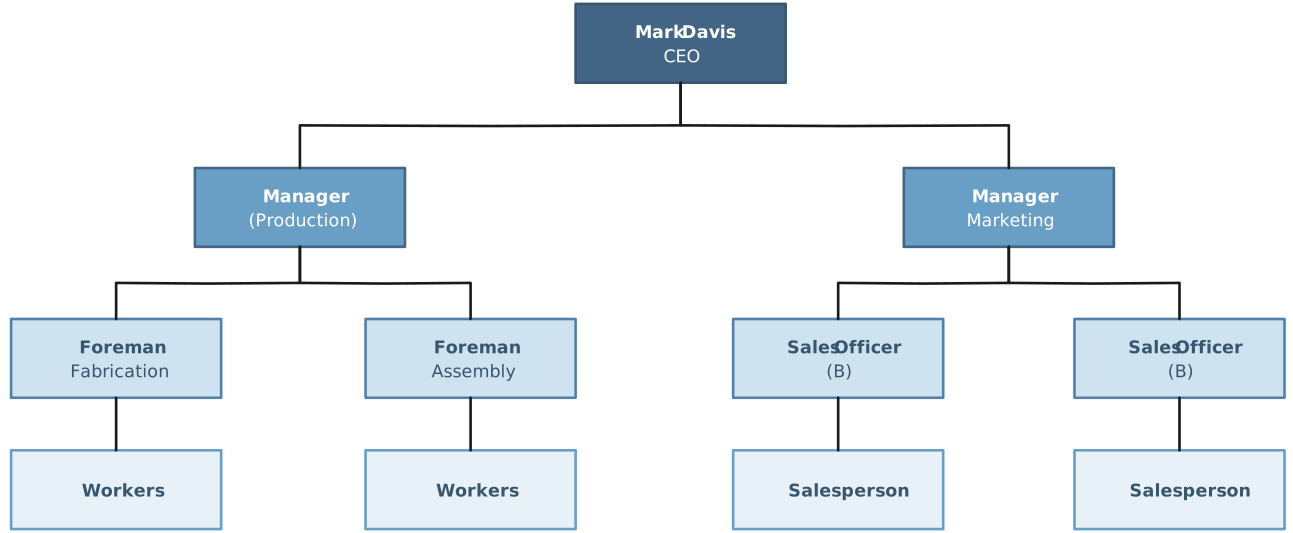

Line Organizational Chart

Line and Staff Organization Chart
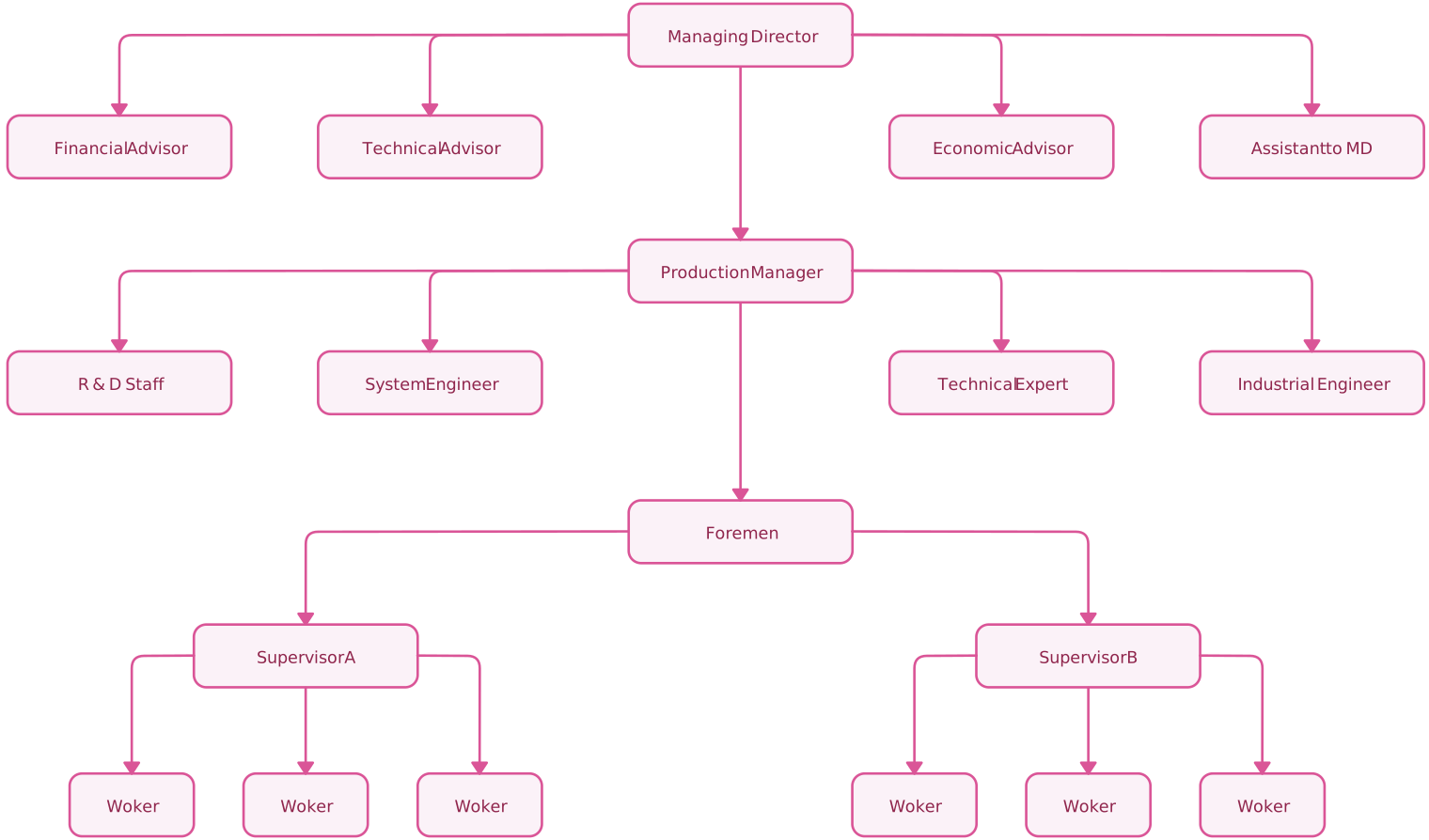
Line Structure Chart
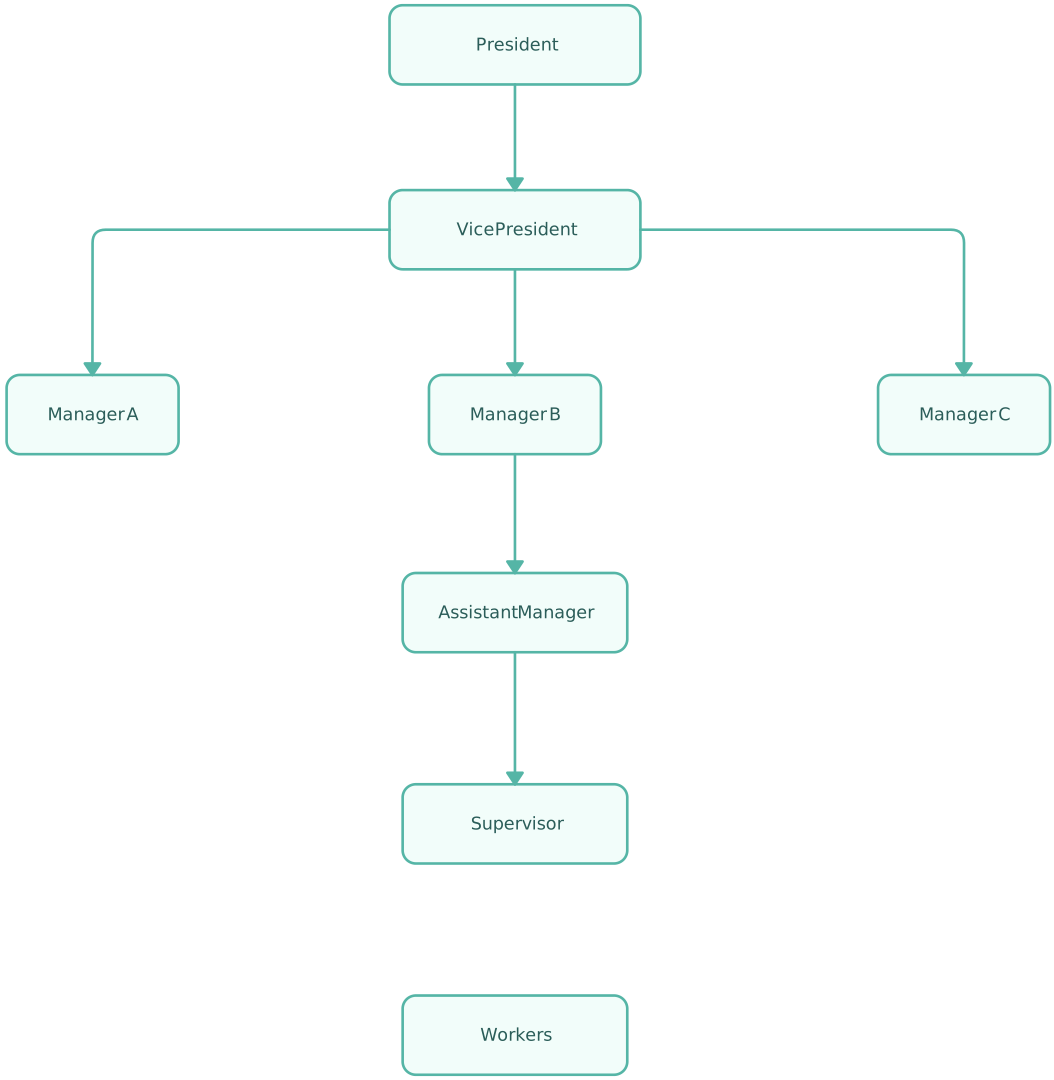
Line Organizational Chart Template

Line Structure vs. Matrix Structure vs. Staff-line Structure
Organizations use different structures depending on their size, complexity, and how they want decisions and communication to flow. Here’s how the line structure, staff-line structure, and matrix structure compare.
| Structure | How it works | Best suited for | Key difference |
| Line structure | A simple, top-down chain of command where each employee reports to one supervisor. Authority and decisions flow vertically. | Small or stable organizations with routine tasks. | Most straightforward structure with clear authority and accountability. |
| Staff-line structure | Keeps the line structure but adds staff roles (specialists or advisors) who support managers without direct authority over employees. | Growing organizations that need expert advice but want clear reporting lines. | Adds expertise while maintaining a single chain of command. |
| Matrix structure | Employees report to more than one manager, usually a functional manager and a project manager. | Large, complex, or project-based organizations. | Most flexible but also the most complex, with shared authority. |
FAQs About the Line Organizational Structure
What is the difference between line structure vs line and staff structure?
How does a line organizational structure work?
How do you improve communication in a line structure?
Is line organization suitable for large companies?
Can line structures handle specialized tasks?
How flexible is a line structure?
How is accountability maintained in a line structure?