Taking risk is part of pursuing new opportunities, but organizations need a structured way to understand uncertainty, protect people and assets, and make informed decisions. A risk assessment process helps teams identify potential events or conditions, analyze their likelihood and consequences, compare the results with agreed criteria, and select appropriate responses.
This guide explains the difference between hazards and risks, walks through five risk assessment steps, and shows how a visual, repeatable workflow can support ownership, review, and continuous improvement. The method should be adapted to your organization’s context and applicable legal, regulatory, and industry requirements.
- What is the Risk Assessment Process?
- Risk Assessment Process Template
- The Difference Between a Risk and Hazard
- Steps in the Risk Assessment Process
- Benefits of Having an Aligned Risk Management Process
- Real-World Example
- Common Mistakes in Risk Assessment Process
- Wrapping Up
What is the Risk Assessment Process?
A risk assessment process is a structured method for identifying sources of uncertainty, analyzing their likelihood and consequences, and evaluating whether further action is required. It can be applied to strategic, operational, financial, compliance, project, and workplace safety risks. The scope, criteria, participants, and records should be defined before the assessment begins so results are consistent and useful for decision-making.
Risk assessment is not a one-time exercise. Teams should monitor controls, reassess risks after material changes or incidents, and review assessments at an appropriate frequency. This keeps risk information current and makes it clear who owns each risk, control, and follow-up decision.
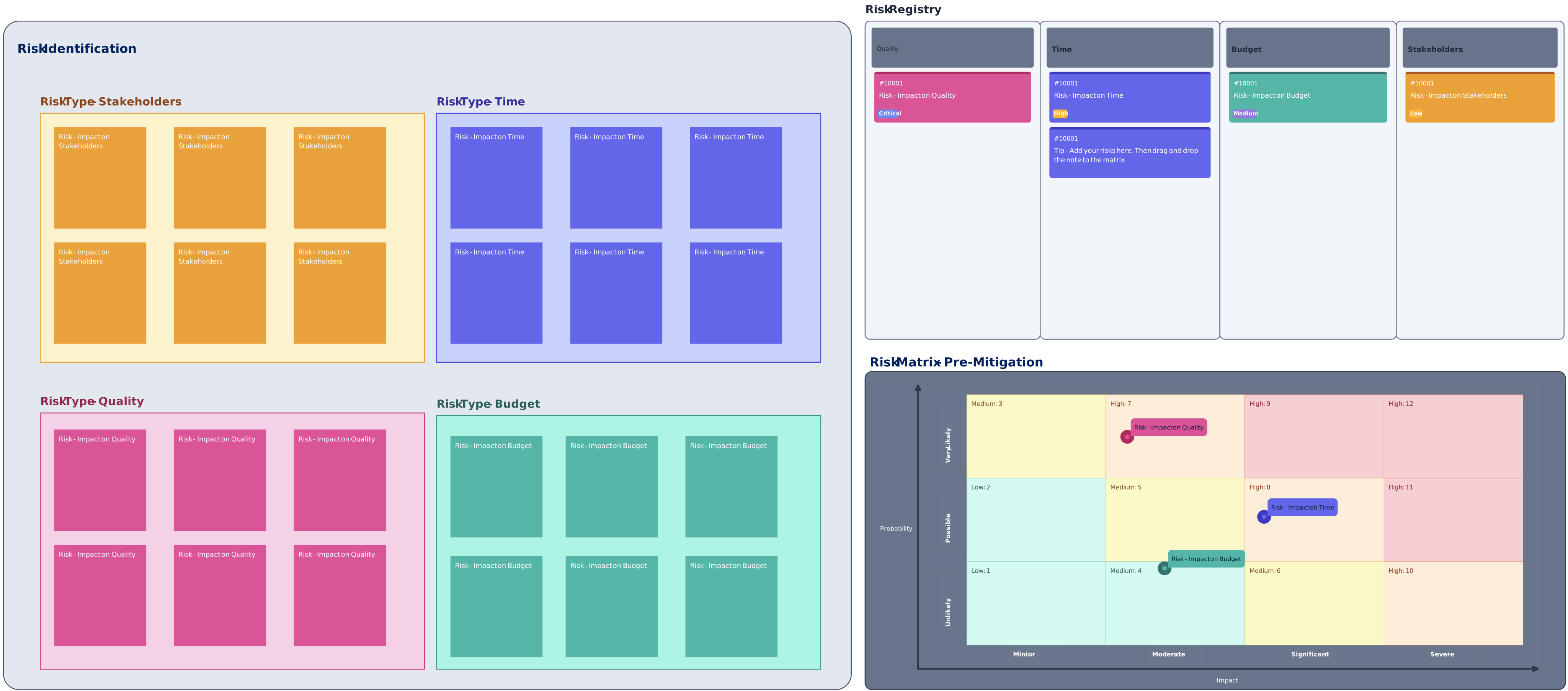
Risk Assessment Process Template

The Difference Between a Risk and Hazard
In workplace safety, a hazard is a source or situation with the potential to cause harm, such as an exposed chemical or an unguarded machine. Risk considers how likely harm is and how severe its consequences could be under the relevant conditions. In broader business risk management, risk refers to the effect of uncertainty on objectives, so not every business risk begins with a physical hazard.
The following five-step workflow is a practical starting point. Adapt the terminology and level of detail to the type of risk being assessed and the requirements that apply to your organization.
Identification of Hazards
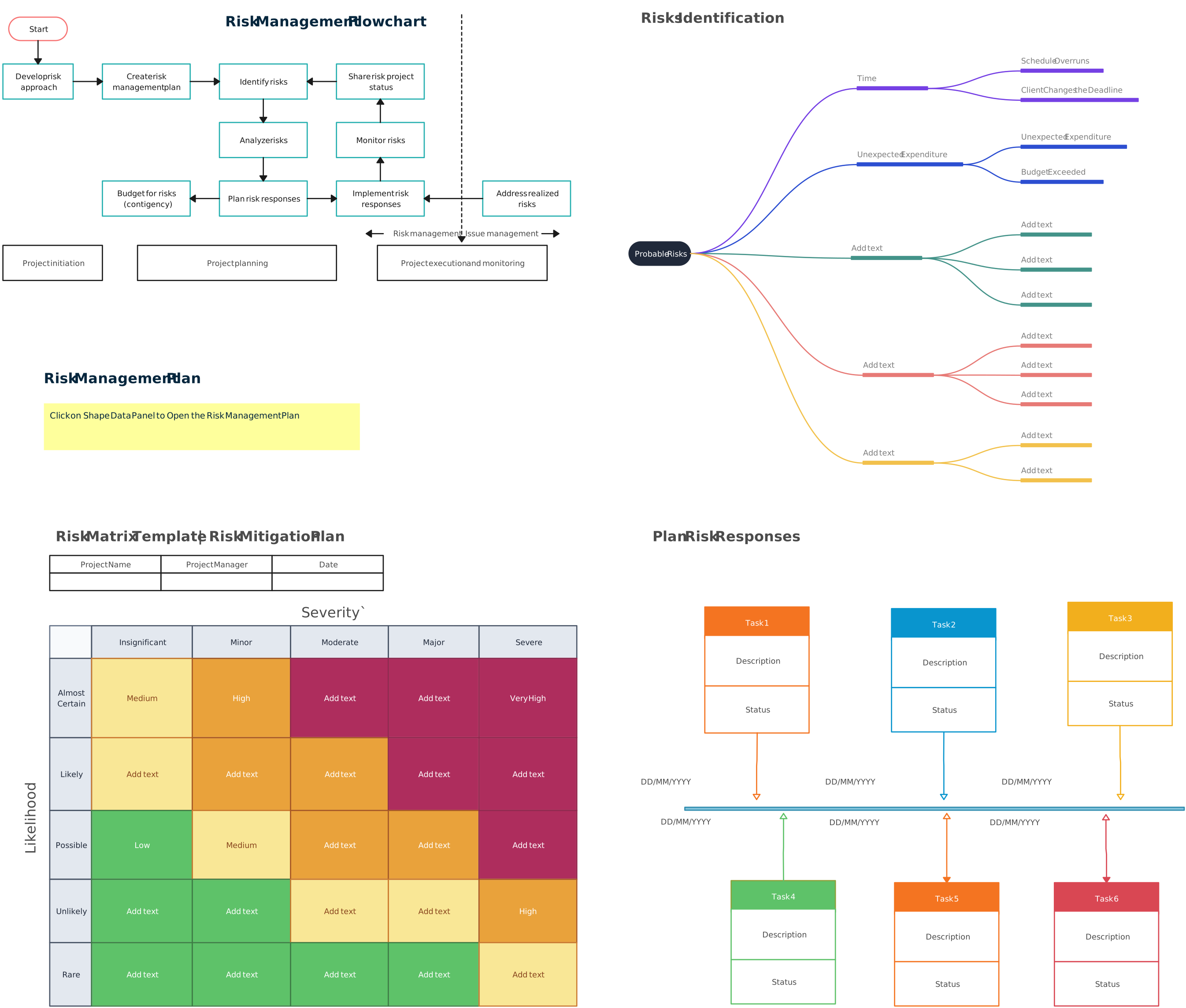
Start by defining the activity, process, asset, or objective being assessed. Gather input from people who perform or understand the work, review incidents and near misses, and identify hazards, threats, failure modes, and existing controls. For workplace safety assessments, this may include physical, chemical, biological, ergonomic, and psychosocial hazards. Record each identified risk clearly before scoring it.
Risk Analysis
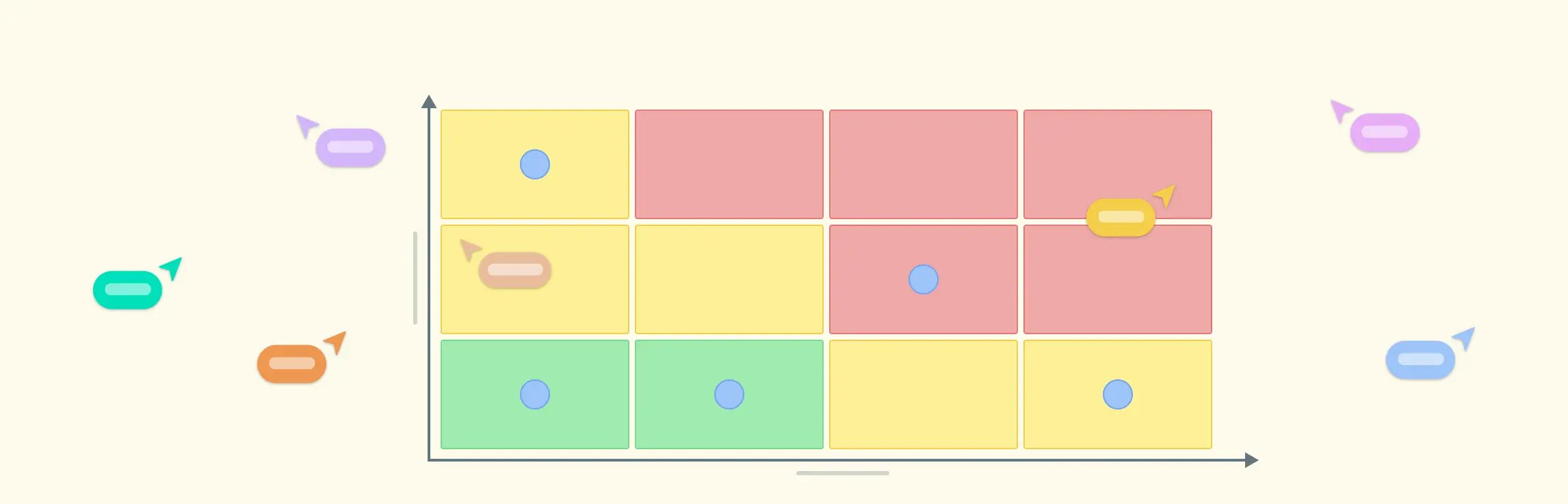
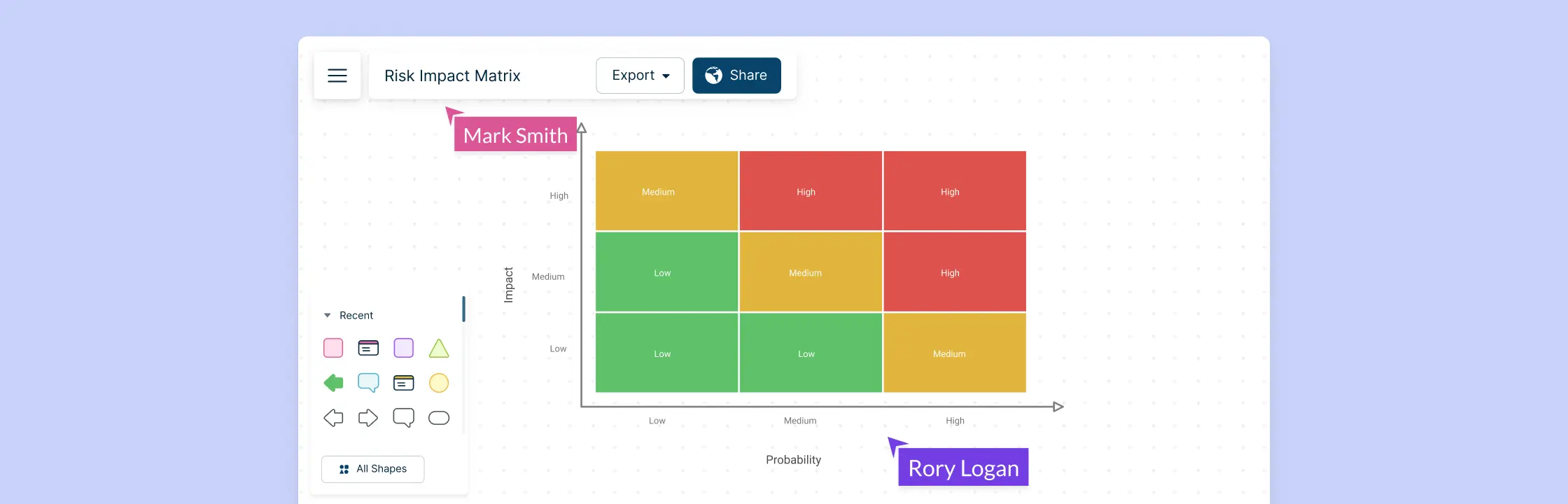
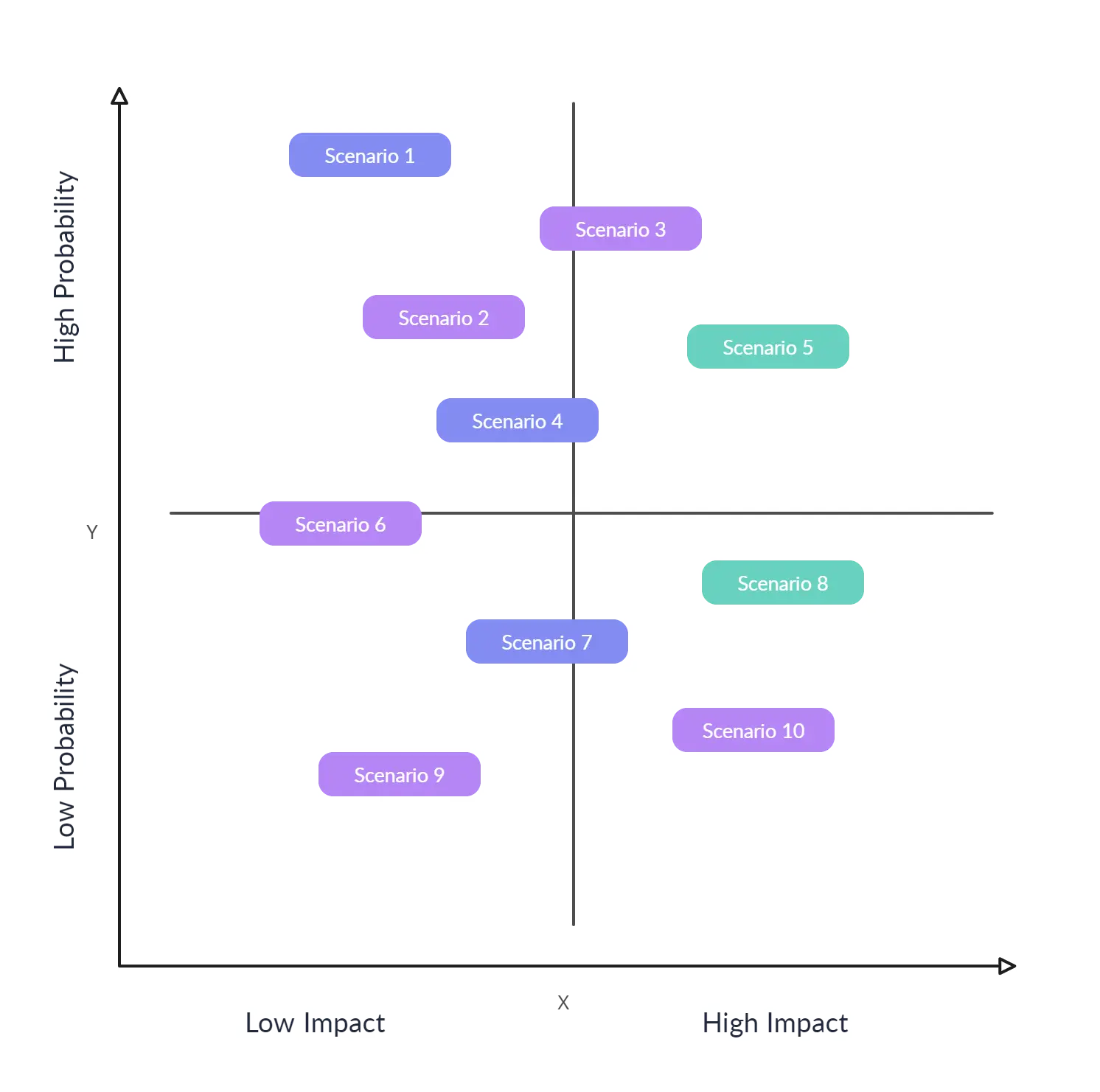
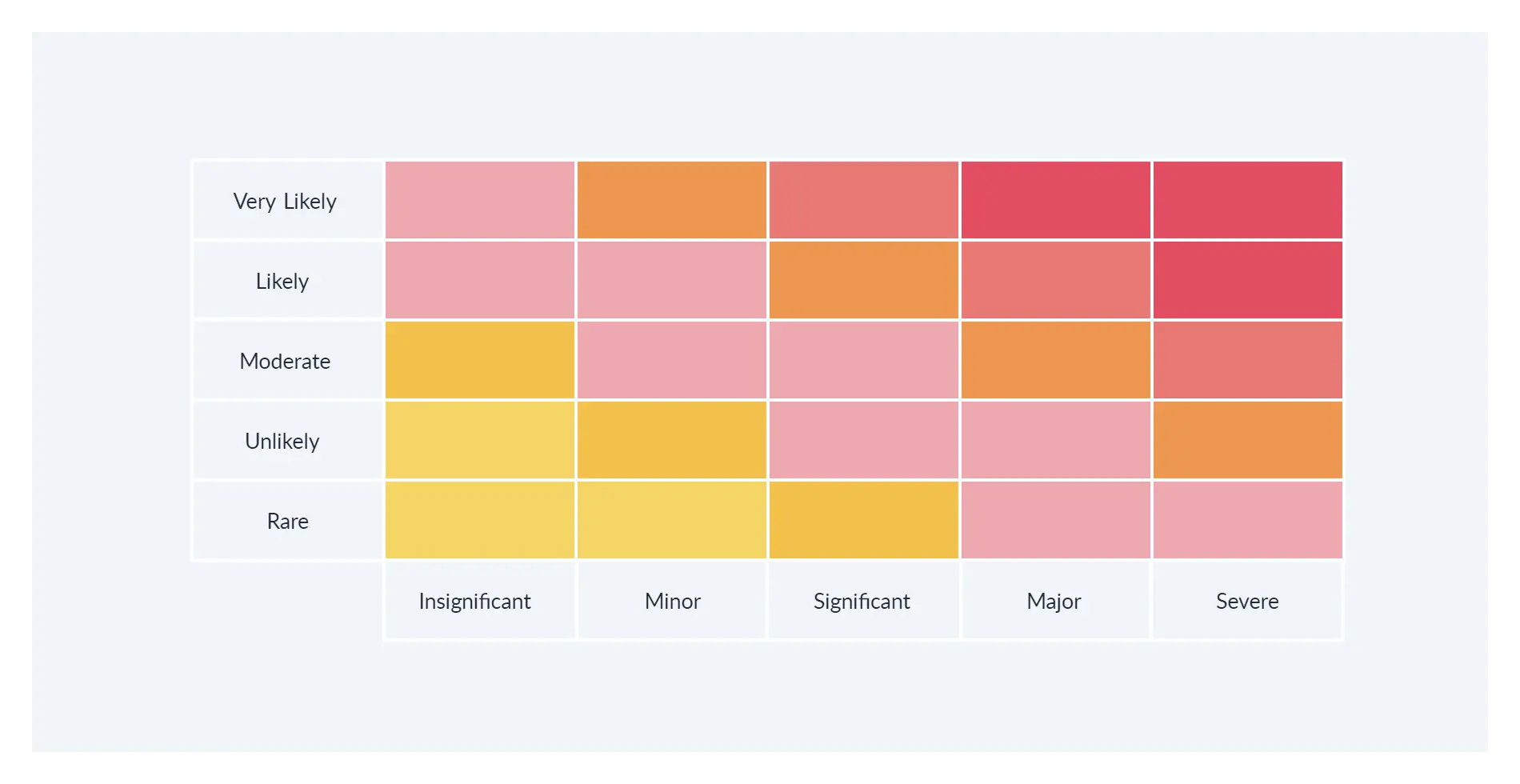
Estimate the likelihood and consequence of each risk using agreed definitions and available evidence. A risk matrix can help teams visualize relative priority, but its ratings depend on the quality of the inputs and should not replace specialist analysis where the consequences are complex or severe. Document assumptions and consider the effectiveness of existing controls.
Risk Evaluation
Compare the analyzed risks with the organization’s documented risk criteria, legal obligations, and risk appetite. Decide which risks need treatment, escalation, further analysis, or acceptance by an authorized owner. A risk register can record the rationale, owner, existing controls, and next review date.
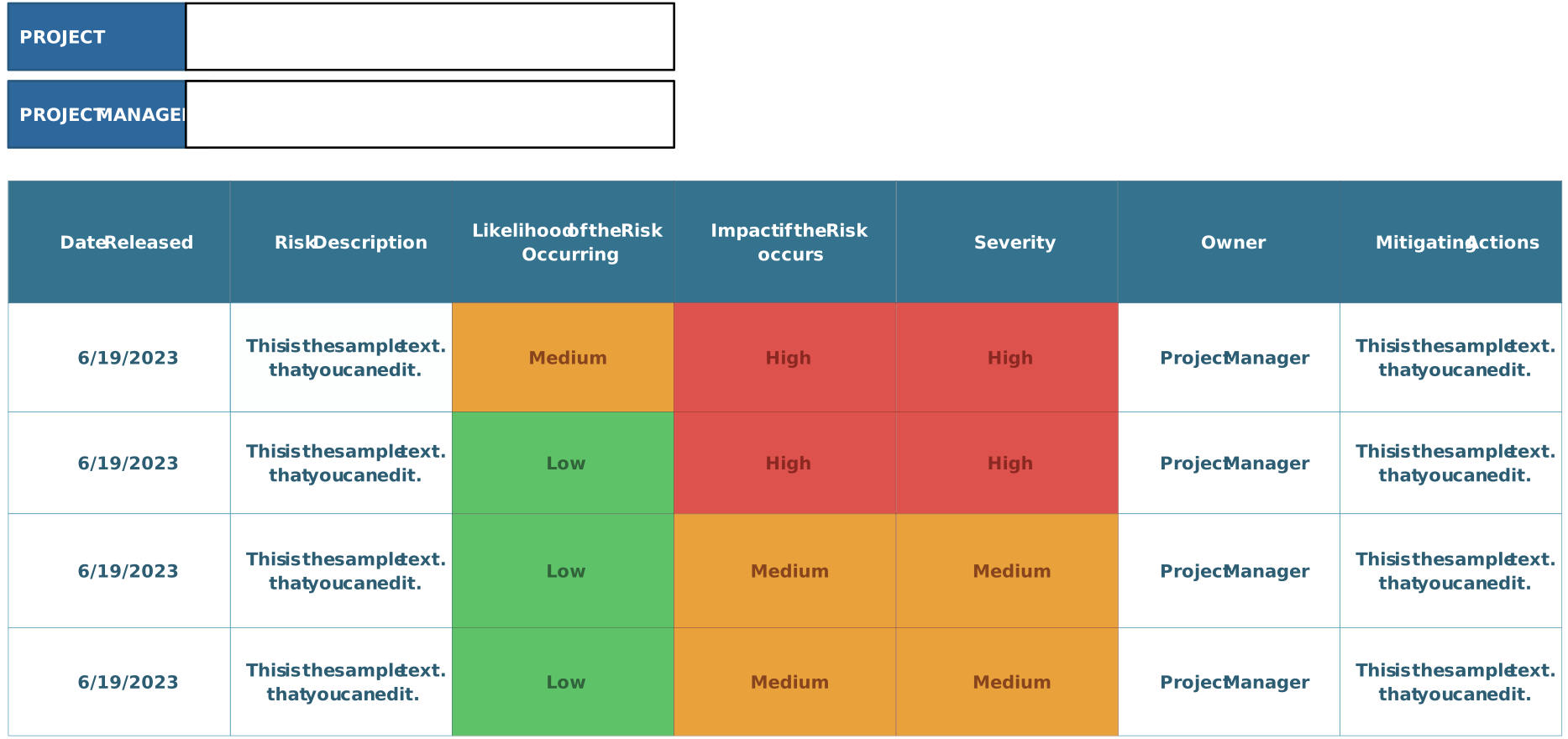
Risk Treatment
Select and implement an appropriate response. Options may include avoiding the activity, reducing likelihood or consequences, sharing or transferring part of the risk, or accepting the residual risk with authorization. For workplace hazards, prioritize elimination and substitution before engineering controls, administrative controls, and personal protective equipment where applicable. Assign an owner, target date, and method for verifying that each control works as intended.
Monitoring and Review
Monitor whether controls were implemented and remain effective. Review the assessment after incidents, near misses, process or equipment changes, new information, regulatory changes, or at the scheduled review date. Stakeholders should provide feedback, risk owners should document decisions, and unresolved concerns should be escalated through the organization’s approved governance process.
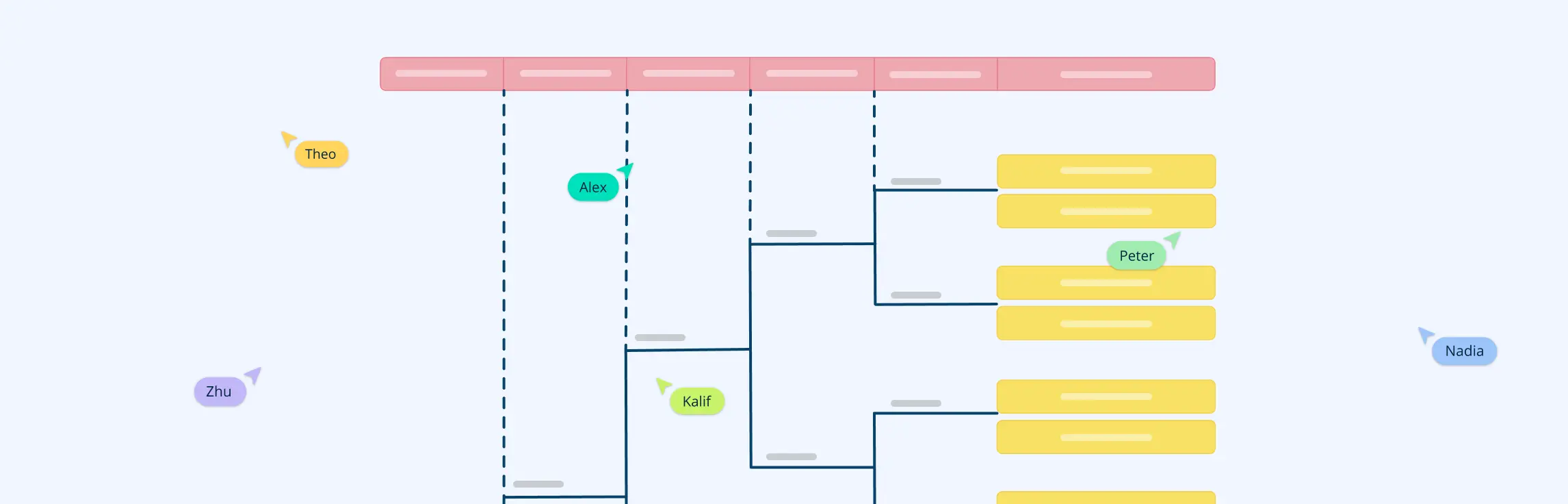
Use Creately’s process mapping software to map the assessment workflow, decision points, owners, and handoffs from identification through monitoring. Teams can connect process guidance with notes, links, and supporting files, then use comments and @mentions to discuss changes in context.
Keep the diagram as shared process documentation and update it when responsibilities, controls, or review requirements change. Store authoritative risk records, approvals, evidence, and sensitive information in the systems required by your organization. Creately supports process understanding and collaboration; it does not replace specialist risk analysis, compliance review, or formal governance controls.
Benefits of Having an Aligned Risk Management Process
Proactive Decision-Making: Armed with insights from the risk assessment process, you can make informed decisions that anticipate and mitigate potential issues.
Enhanced Resilience: A robust risk management plan not only shields you from uncertainties but also enhances your ability to bounce back when faced with unexpected challenges.
Improved Resource Allocation: Identifying and prioritizing risks allows you to allocate resources efficiently, focusing on areas that pose the greatest threat to your objectives.
Compliance Support: A documented risk assessment can support compliance by showing how risks and controls were considered. It does not by itself guarantee compliance; organizations must follow the laws, standards, and sector-specific requirements that apply to them.
Real-World Example
The 1986 Space Shuttle Challenger disaster illustrates how technical risk and organizational decision-making can interact. The Rogers Commission findings published by NASA documented an O-ring joint design problem, inadequate testing and understanding, and failures to respond adequately to internal warnings. The lesson is broader than identifying a hazard: teams must communicate evidence, challenge assumptions, assign decision authority, and act when controls are not adequate.
Common Mistakes in Risk Assessment Process
Ignoring Low-Probability, High-Consequence Risks: A low likelihood does not make a severe risk automatically acceptable. Apply defined escalation criteria and consider scenarios that require stronger controls or contingency planning.
Lack of Stakeholder Involvement: The risk assessment process should be a collaborative effort. Failing to involve key stakeholders may result in overlooking crucial insights and perspectives.
Static Risk Assessments: Your business is dynamic, and so are its risks. A static risk assessment that doesn’t adapt to changes in the internal or external environment is a recipe for disaster.
Wrapping Up
An effective risk assessment process makes uncertainty visible and supports better-informed decisions. Define the scope and criteria, involve people with relevant knowledge, document ownership and controls, and review the assessment whenever conditions change. Treat the assessment as living documentation rather than a form completed once and filed away.
A template can provide a consistent starting point, but it does not replace professional judgment or the legal, safety, security, financial, or sector-specific expertise required for the risks being assessed.