Growth and continuity shouldn’t feel like competing priorities. Employees want to know where they’re headed, and organizations need confidence that the right people are ready when change happens. That’s where career planning and succession planning come together. This guide breaks down how each works, how they differ, and most importantly, how aligning them creates clearer growth paths for employees and stronger, more resilient leadership pipelines for the business.
What is Succession Planning?
Succession planning is how you make sure your business keeps moving forward when key people move on. Instead of scrambling after a surprise exit, you prepare in advance by identifying future leaders, building their skills, and helping them grow into critical roles over time. It removes uncertainty, protects continuity, and gives teams confidence that the right people are ready when change happens, turning leadership transitions from stressful moments into smooth, well-planned progress.
What is Career Planning?
Career planning is how employees take control of where their work lives are headed, instead of relying on chance or waiting for the next opportunity to appear. It involves understanding individual strengths, goals, and interests, then intentionally building the skills and experience needed to move forward with confidence. With a clear career plan, growth becomes purposeful rather than accidental, helping employees see what’s next, stay motivated, and progress toward a future that truly fits them.
Succession Planning and Career Planning Comparison
Before looking at how they work together, it helps to understand the key differences between succession planning vs career planning, and the distinct roles each plays in growth and continuity.
| Aspect | Career Planning | Succession Planning |
| Primary focus | Individual growth and career direction | Business continuity and role readiness |
| Core question | “Where does this employee want to grow?” | “Who is ready to step into this role?” |
| Ownership | Employee, with manager support | Organization and leadership |
| Scope | Broad and flexible | Role-specific and structured |
| Time horizon | Short- to long-term | Medium- to long-term |
| Main outcome | Clear development and motivation | Reduced risk and smoother transitions |
| Typical tools | Career conversations, development plans, skill building | Succession maps, readiness assessments, talent reviews |
Creately’s succession planning software helps teams apply both career planning and succession planning together, making growth paths and readiness visible in one place instead of managing them separately.
Ownership Roles in Career and Succession Planning
In this context, ownership means who is responsible for driving the action and being accountable for outcomes, not who has control or authority. Career planning and succession planning work best when this responsibility is clearly shared. This table shows how responsibility is divided and how both sides contribute to long-term growth and continuity.
| Area of Responsibility | Employee Ownership | Manager Ownership |
| Career direction | Clarifies goals, interests, and aspirations | Helps align goals with organizational needs |
| Skill development | Builds skills, seeks feedback, pursues growth | Enables learning, coaching, and stretch roles |
| Career movement | Expresses interest and readiness for next steps | Identifies realistic pathways and timing |
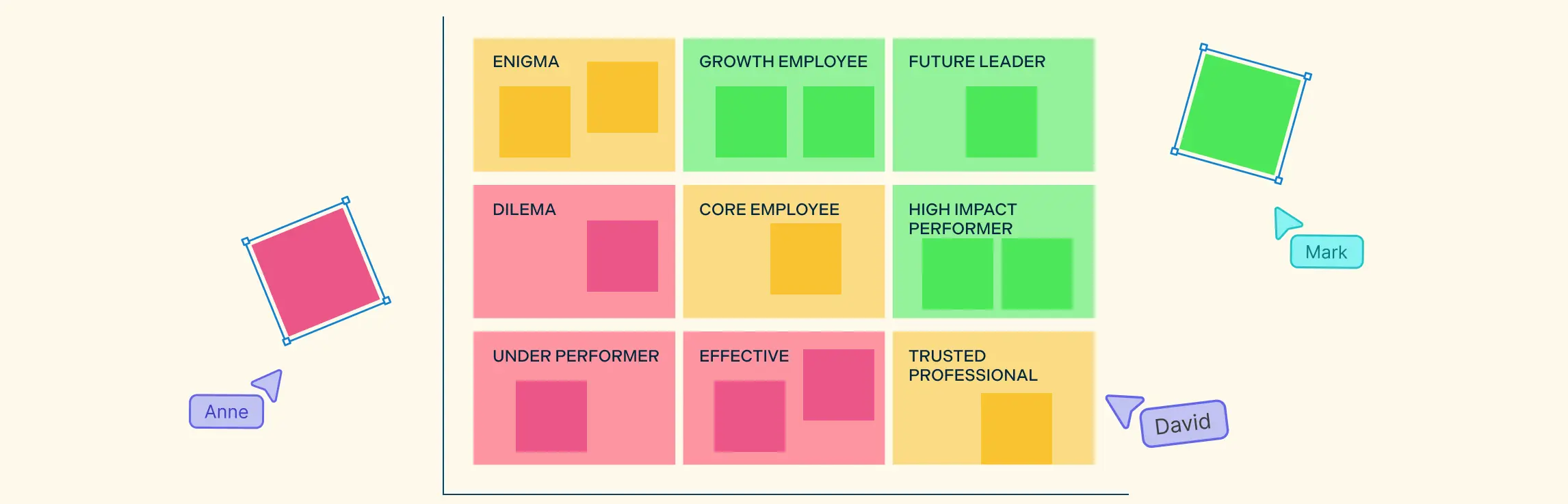
| Succession readiness | Prepares for future opportunities | Ensures critical roles have ready successors |
| Long-term continuity | Invests in personal growth | Protects business continuity and role coverage |
How Succession Planning and Career Planning Complement Each Other
While career planning focuses on an employee’s long-term goals, career pathing translates that growth into clear role pathways, and succession planning builds on those pathways to prepare future leaders and critical roles. Let’s see how they work together.
Career planning clarifies direction: Career planning helps employees understand their strengths, interests, and long-term goals, so development feels intentional, not driven only by immediate business needs.
Career pathing turns goals into real options: Career pathing connects career plans to actual roles, showing clear next steps, like moving up, across, or into new areas, and what’s needed to get there.
Succession planning anchors paths to critical roles: Succession planning identifies roles essential to continuity and uses career paths to align employee growth with future organizational needs.
Development becomes focused and purposeful: When career paths feed into succession plans, learning and stretch opportunities target real readiness gaps instead of generic skill building.
Employees see what’s next: Linking career pathing and succession planning helps employees connect today’s development to meaningful future roles, building trust and motivation.
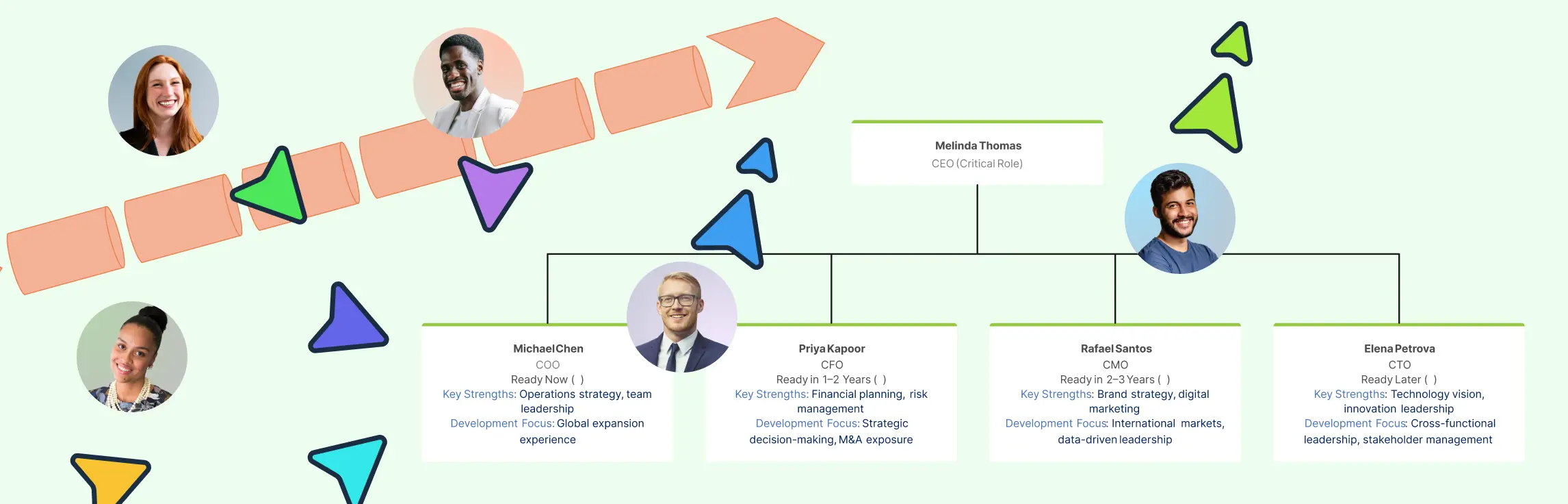
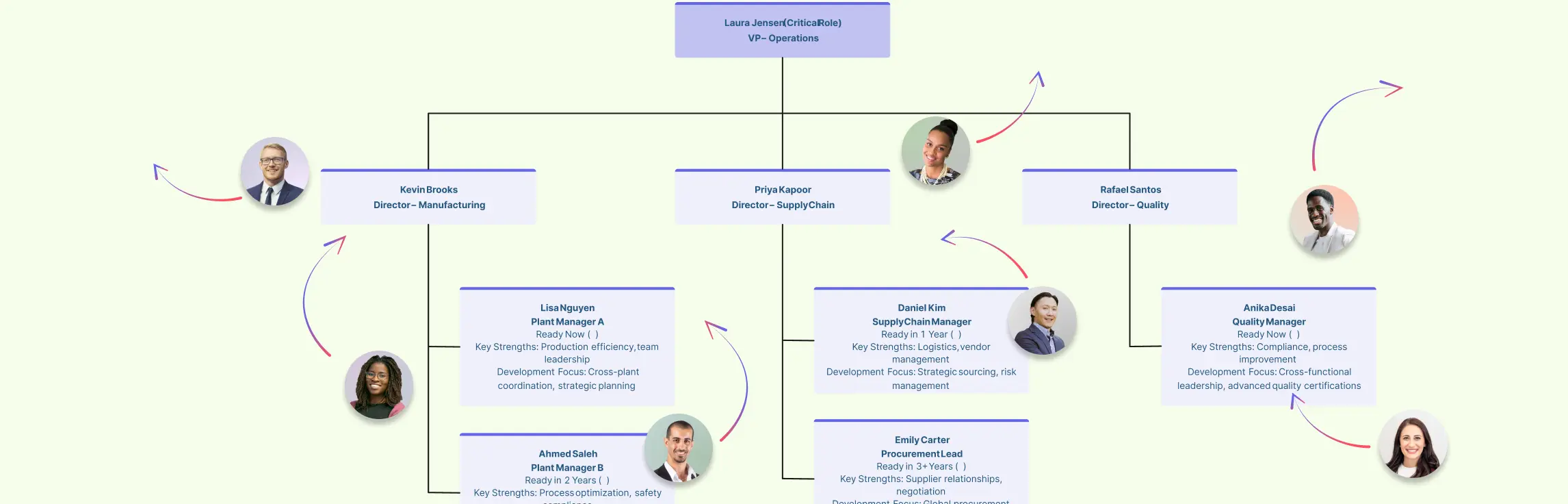
Leaders build stronger talent pipelines: Managers prepare successors proactively, with clear ready-now and ready-later options for key roles.
Transitions feel smoother and less risky: With people developed along clear paths, leadership changes happen with less disruption and knowledge loss.
Growth becomes a shared effort: Employees own their growth, while leaders actively support it, creating balance between individual ambition and business continuity.
Together, these elements create a strong foundation for succession planning frameworks, which help organizations assess readiness, identify future leaders, and apply structured, consistent approaches to long-term leadership continuity.
Risks when Succession Planning and Career Planning are Disconnected
When succession planning and career planning aren’t aligned, uncertainty creeps in for both the business and its people.
Leadership gaps catch teams off guard: Roles open suddenly, and no one feels truly ready. Decisions slow down, pressure rises, and teams are forced into reactive hiring.
Employees lose clarity and momentum: When career growth isn’t linked to real future roles, development can feel aimless. People start to wonder what they’re working toward.
High-potential talent walks away: If growth paths and opportunities aren’t visible, top performers look elsewhere for a clearer future.
Development feels generic, not meaningful: Learning happens, but without direction. Skills aren’t tied to real roles or business needs, so progress stalls.
Transitions become disruptive: Without prepared successors, knowledge is lost, confidence drops, and change feels harder than it needs to be.
When succession planning strategy and career planning are disconnected, growth feels uncertain and transitions feel risky. Bringing them together creates clarity, confidence, and long-term continuity.
Example of an Aligned Career and Succession Path
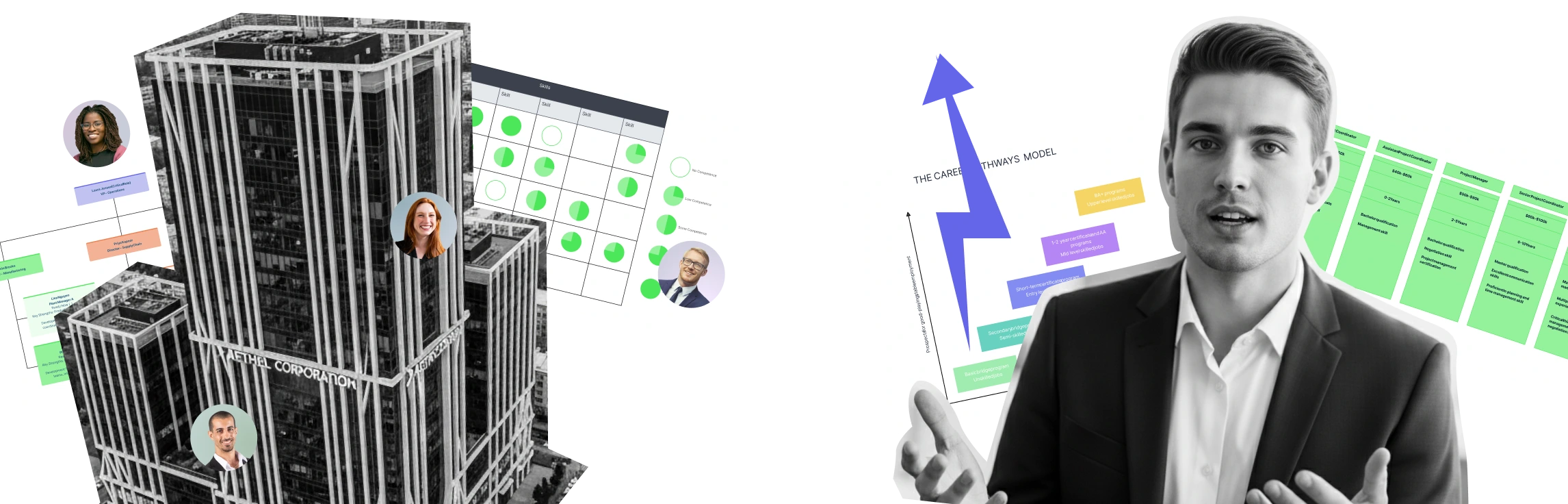
This example shows how an employee’s career progression and an organization’s succession planning can work together, turning individual development into a reliable pipeline for future project and leadership roles.
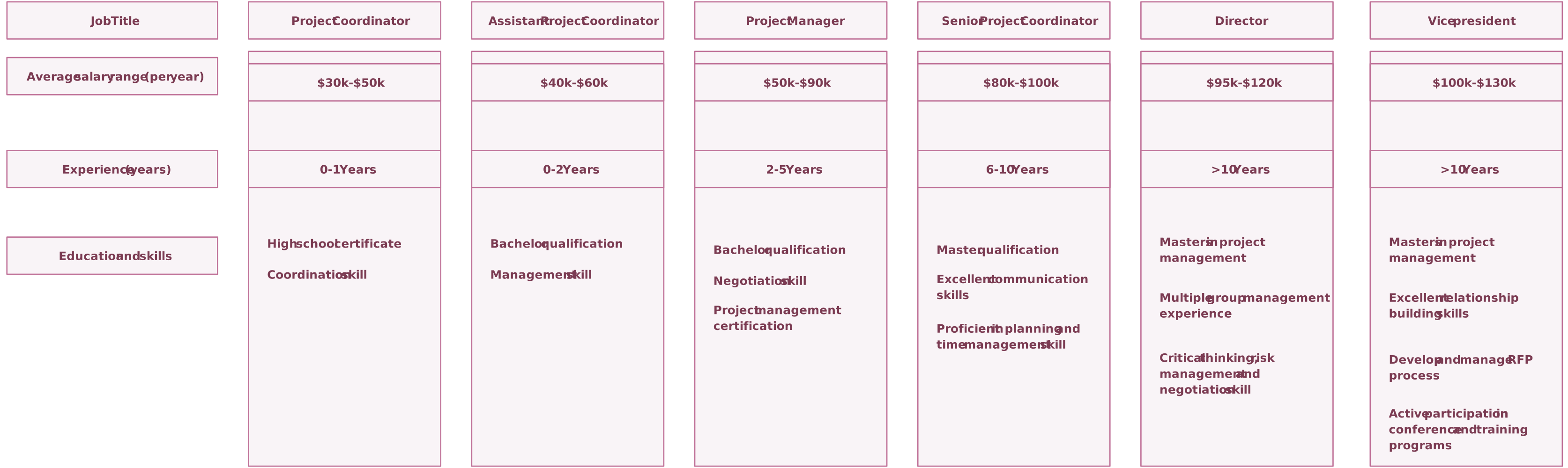
Project Manager Career Path
This example shows how clear roles make career growth easier to navigate. It starts with a Project Coordinator with one year of experience, a high-school certificate, and strong coordination skills. As project execution, communication, and leadership skills grow, the path progresses to Project Manager, then Director, and eventually Vice President. By showing what’s needed at each stage, the template helps employees focus their efforts and see how steady development leads to long-term growth.

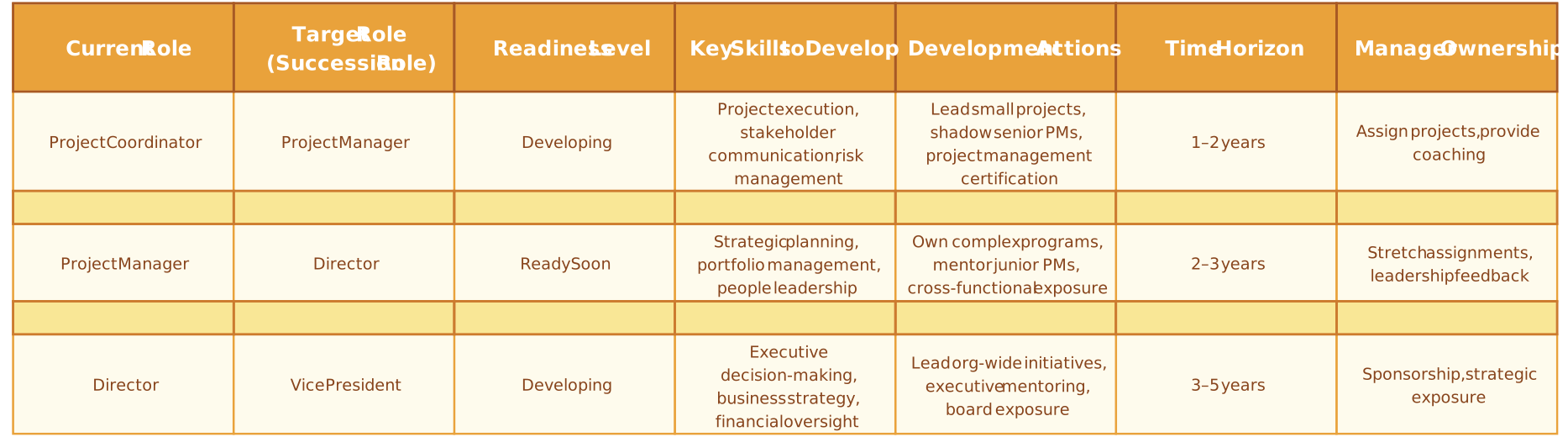
Aligned Succession Plan for Project Manager Career Path
Aligned with this career path, the succession plan ensures future project and leadership roles are prepared in advance. Each role along the path represents a position the organization will need to fill over time. Potential successors are identified early, readiness is assessed at each stage, and development is supported through real experiences like leading complex projects or mentoring teams. As people progress, they build readiness too, making leadership transitions smoother and more predictable.
This is just one real-world example. Explore more practical scenarios and patterns like this in our succession planning examples, which show how different roles, industries, and organizations align career growth with long-term leadership readiness.
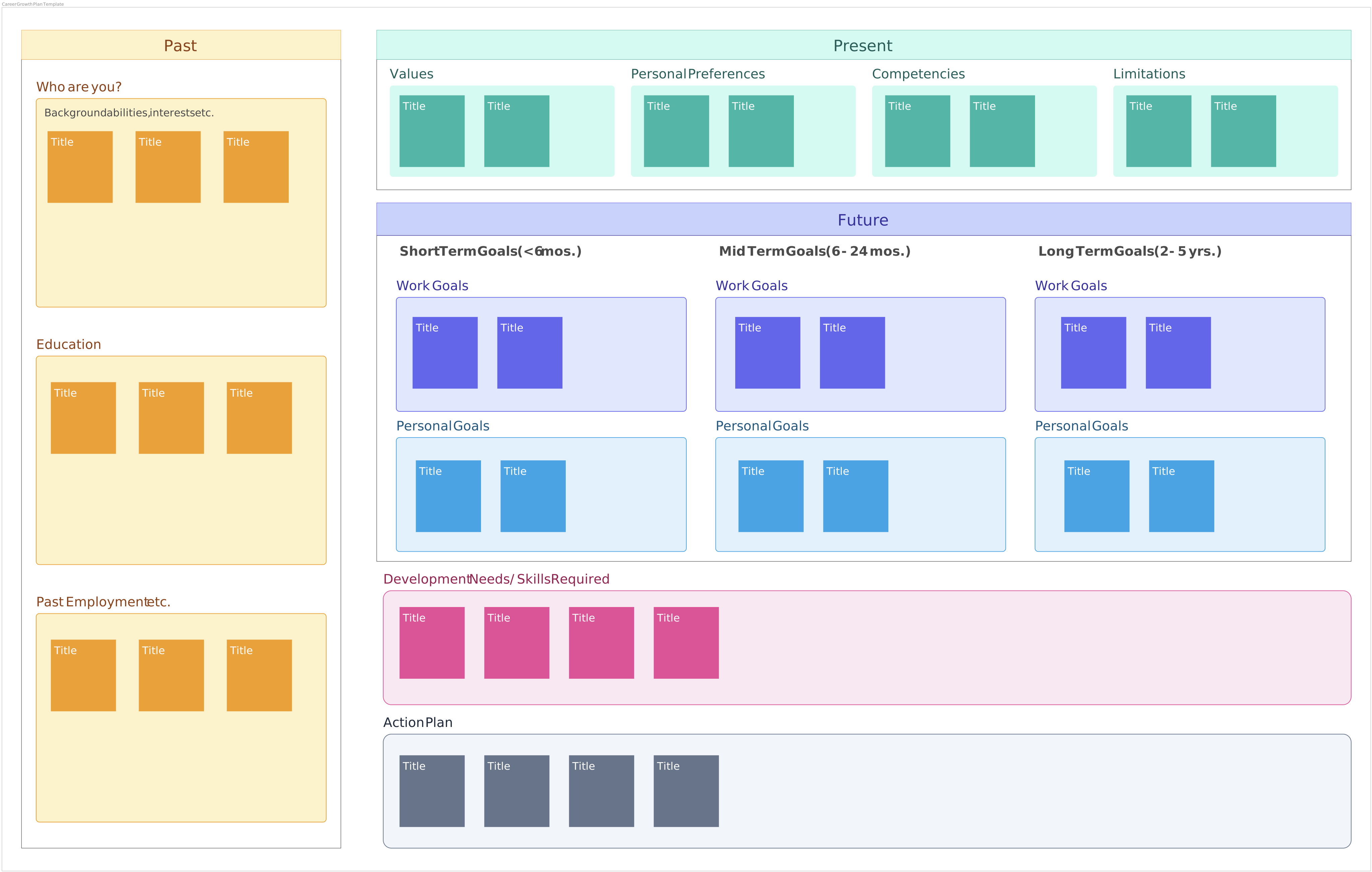
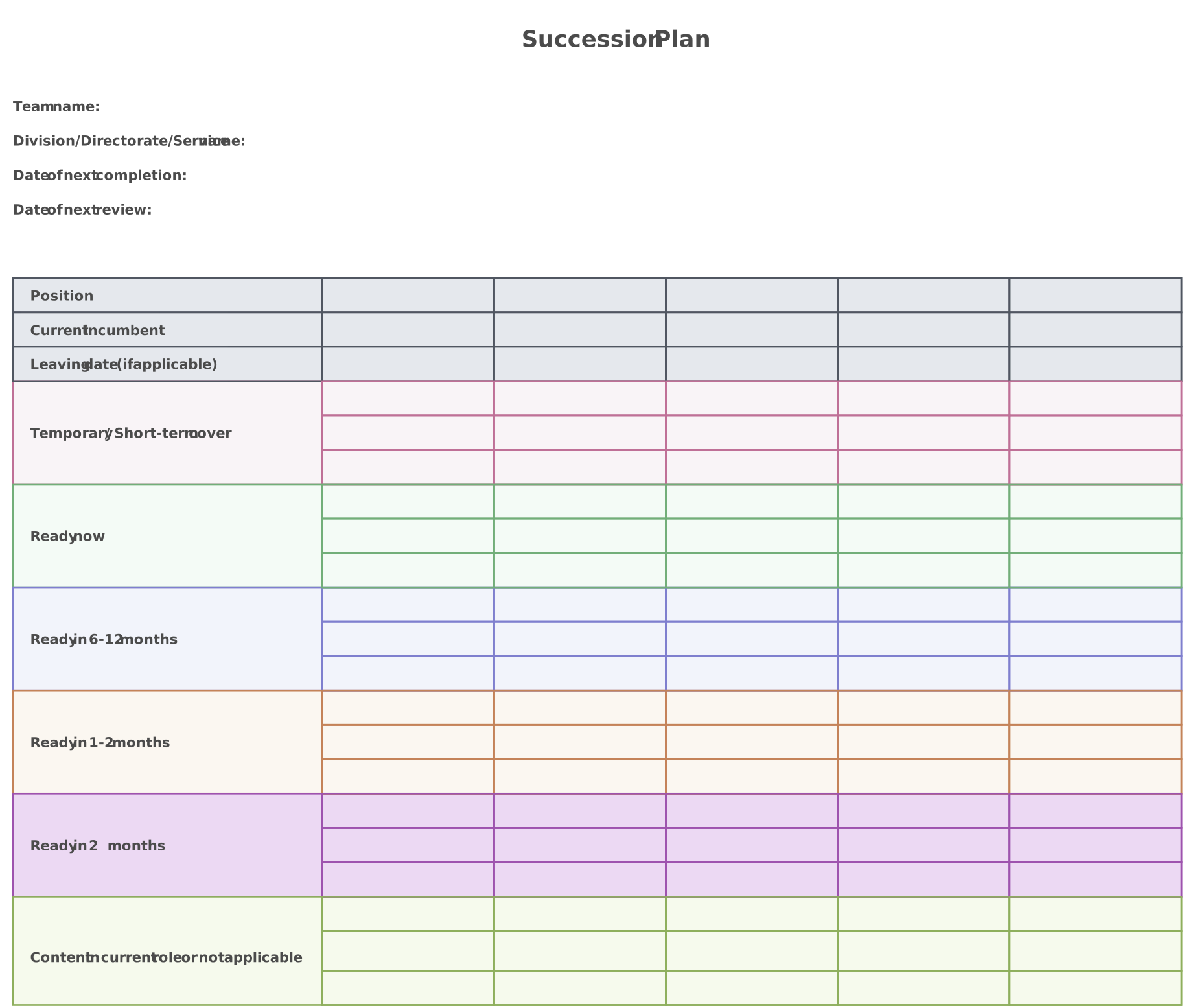
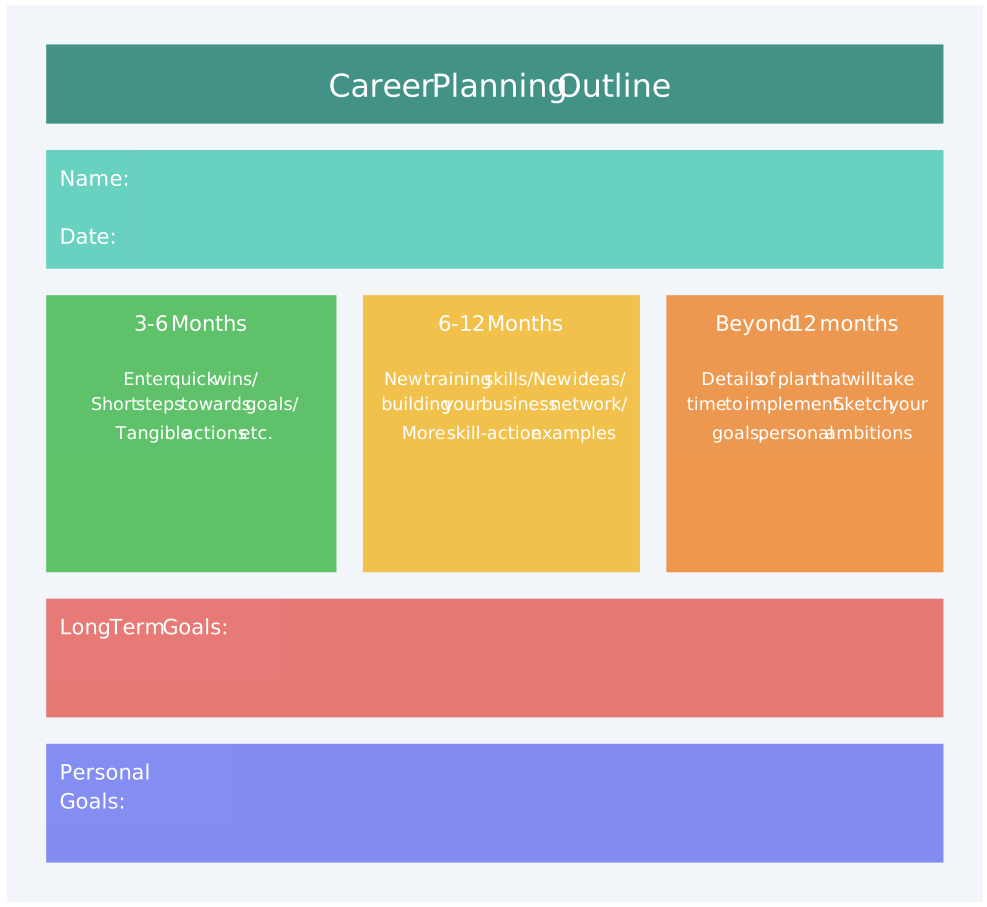
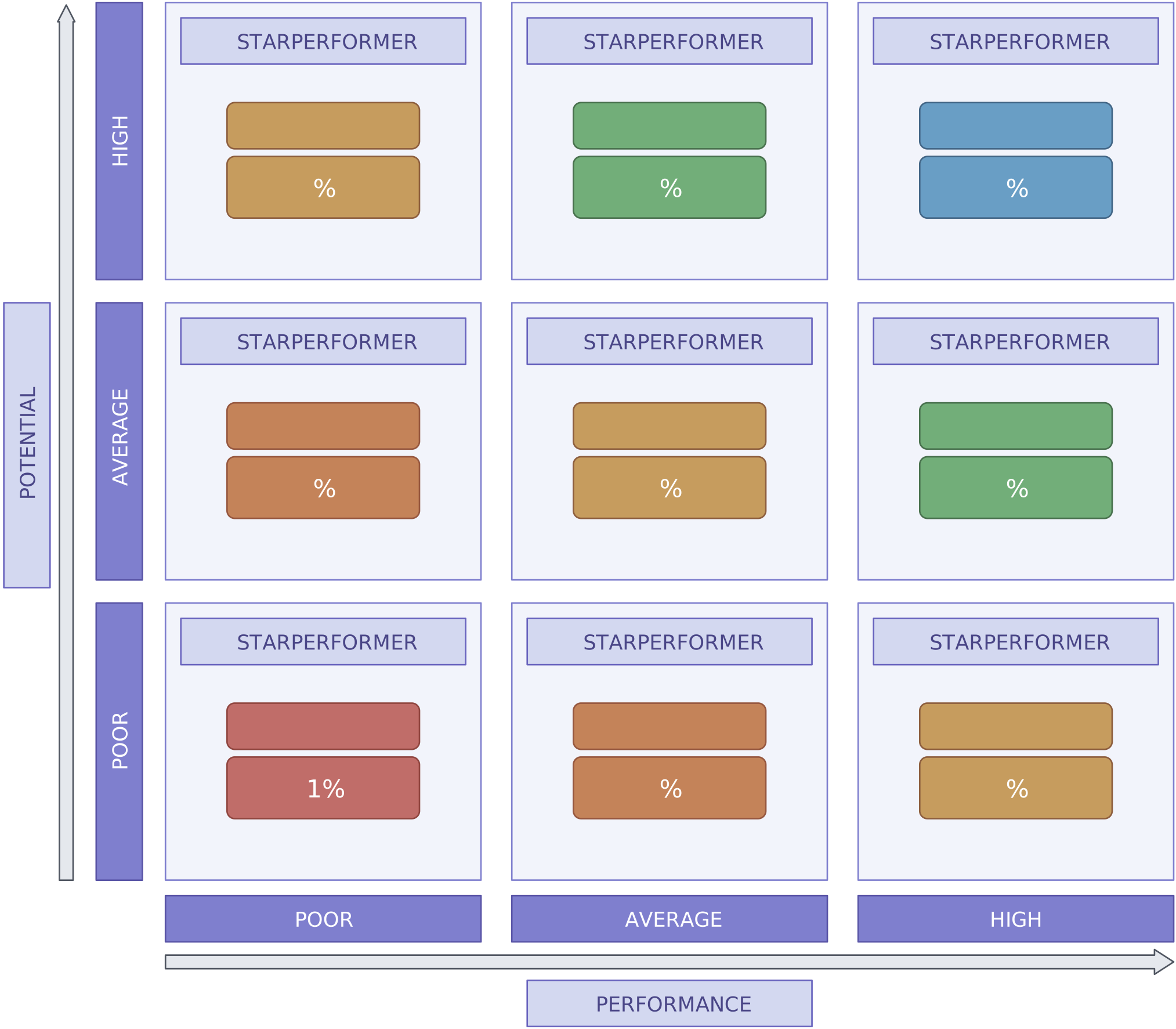
Free Succession Planning and Career Planning Templates to Get Started


Helpful Resources for Succession Planning
Learn how to do succession planning with a detailed walkthrough.
Learn about the differences between replacement planning and succession planning.
Learn about best practices and misconceptions of succession planning.
FAQs on Career Planning vs Succession Planning
What is career pathing, and why is it important here?
Can succession planning work without career planning?
Can career planning work without succession planning?
Does succession planning only apply to leadership roles?
Resources
Ali, Zulqurnain, et al. “Linking Succession Planning to Employee Performance: The Mediating Roles of Career Development and Performance Appraisal.” Australian Journal of Career Development, vol. 28, no. 2, 24 May 2019, pp. 112–121, https://doi.org/10.1177/1038416219830419.
Webb, Tammy, et al. “Career Mapping for Professional Development and Succession Planning.” Journal for Nurses in Professional Development, vol. 31, no. 1, 2017, pp. 25–32, https://doi.org/10.1097/nnd.0000000000000317.