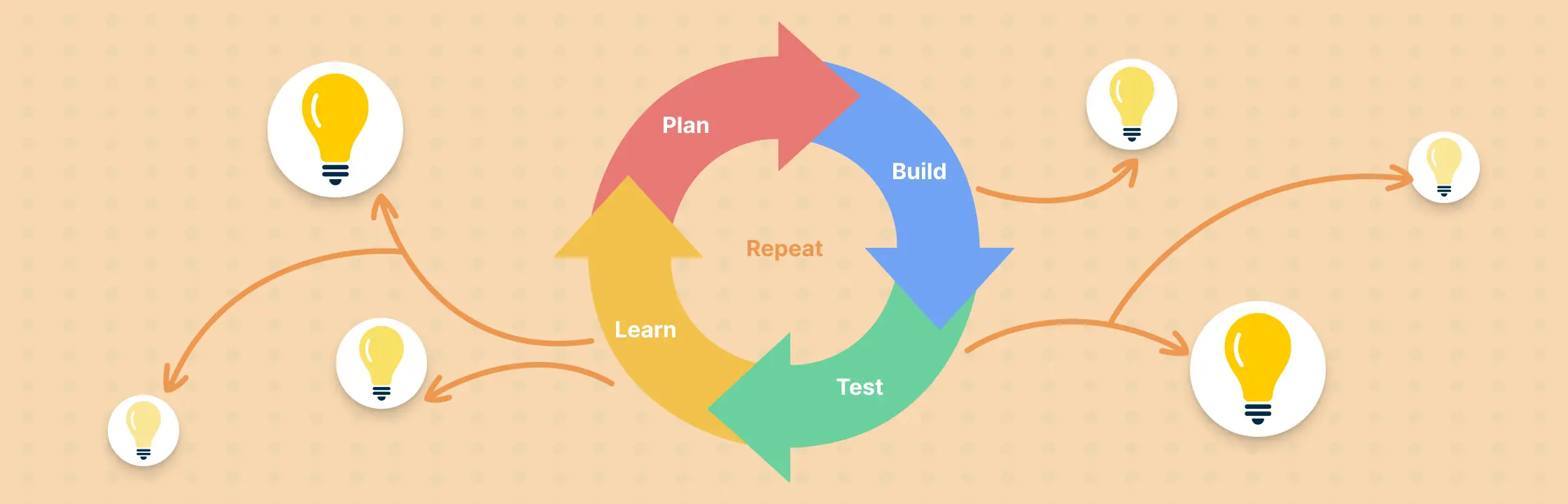
The iterative process helps teams develop a solution through repeated cycles of planning, building, testing, learning, and refinement. Rather than treating the first version as final, teams use evidence and stakeholder feedback to improve each subsequent version. This guide explains the five iterative process steps, key benefits and limitations, practical examples, and ways to manage each cycle.