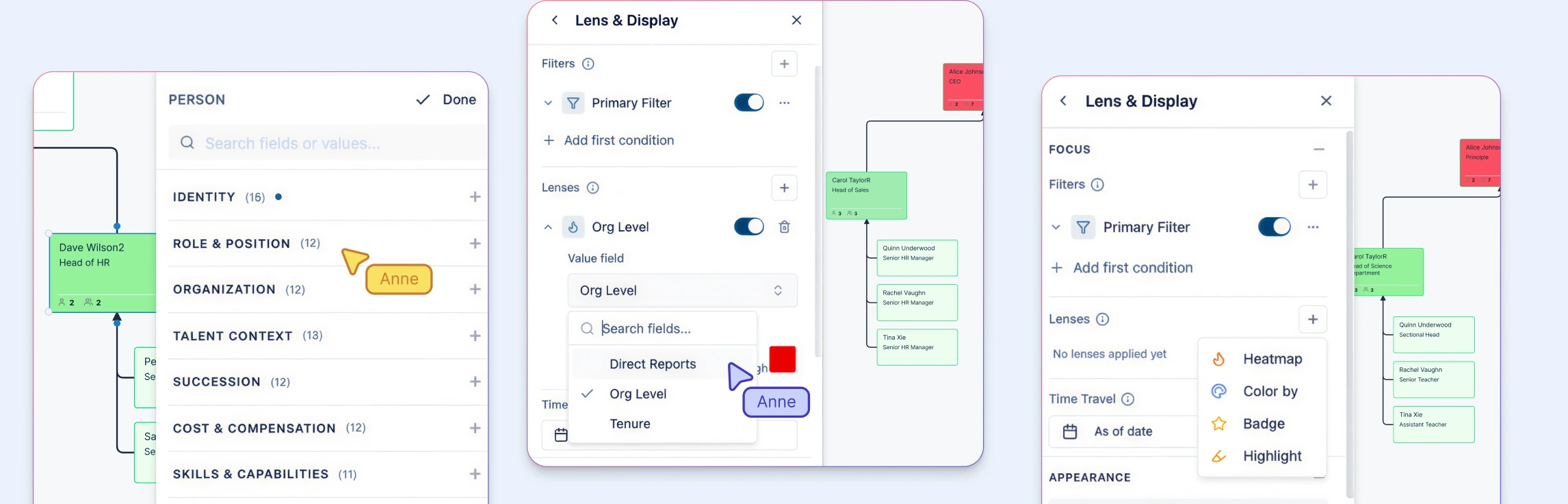
Most workforce plans suffer from a “data-visualization gap.” HR teams spend weeks meticulously updating headcount numbers in complex spreadsheets, only for those plans to be disconnected from the actual organizational structure.
Most workforce plans suffer from a “data-visualization gap.” HR teams spend weeks meticulously updating headcount numbers in complex spreadsheets, only for those plans to be disconnected from the actual organizational structure.
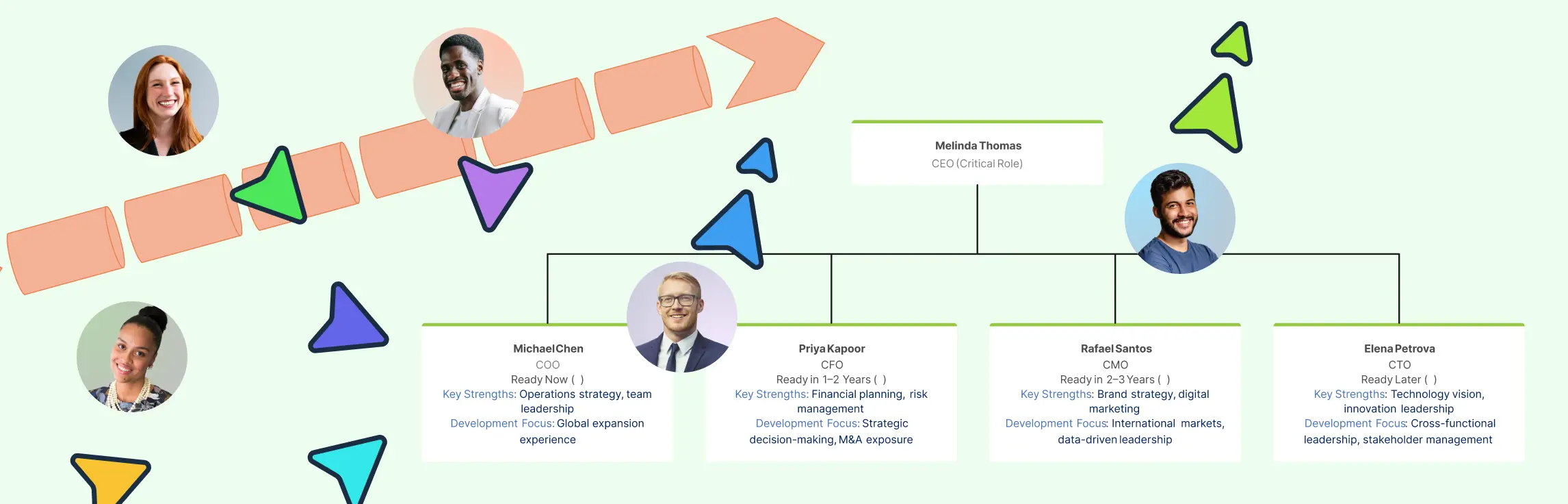
In today’s fast-paced workplace, building a strong pipeline of talent is more important than ever. Organizations can’t afford gaps in leadership or key roles, and employees expect clear opportunities to grow. That’s where talent management and succession planning come together — creating a system that not only develops your people but ensures your business stays ready for the future. This guide will show how these two strategies work hand-in-hand to keep your workforce engaged, prepared, and primed for success.

This guide walks you through replacement planning in a clear, practical way, so you’re never left guessing when key roles change. You’ll learn what replacement planning is, when to use it, and where it fits into a broader talent strategy. We’ll break down the pros and cons, show how succession planning helps close the gaps, and bring it all to life with real-world examples across business, operations, and academia.

Growth and continuity shouldn’t feel like competing priorities. Employees want to know where they’re headed, and organizations need confidence that the right people are ready when change happens. That’s where career planning and succession planning come together. This guide breaks down how each works, how they differ, and most importantly, how aligning them creates clearer growth paths for employees and stronger, more resilient leadership pipelines for the business.

Every team faces the crisis of the leadership pipeline. This guide will show you how to execute a high-impact, strategic 9 box talent review for succession planning. We will explore how to bridge the gap between talent calibration and active pipeline management, ensuring your review process yields a tangible, visual roadmap for your company’s future leaders.
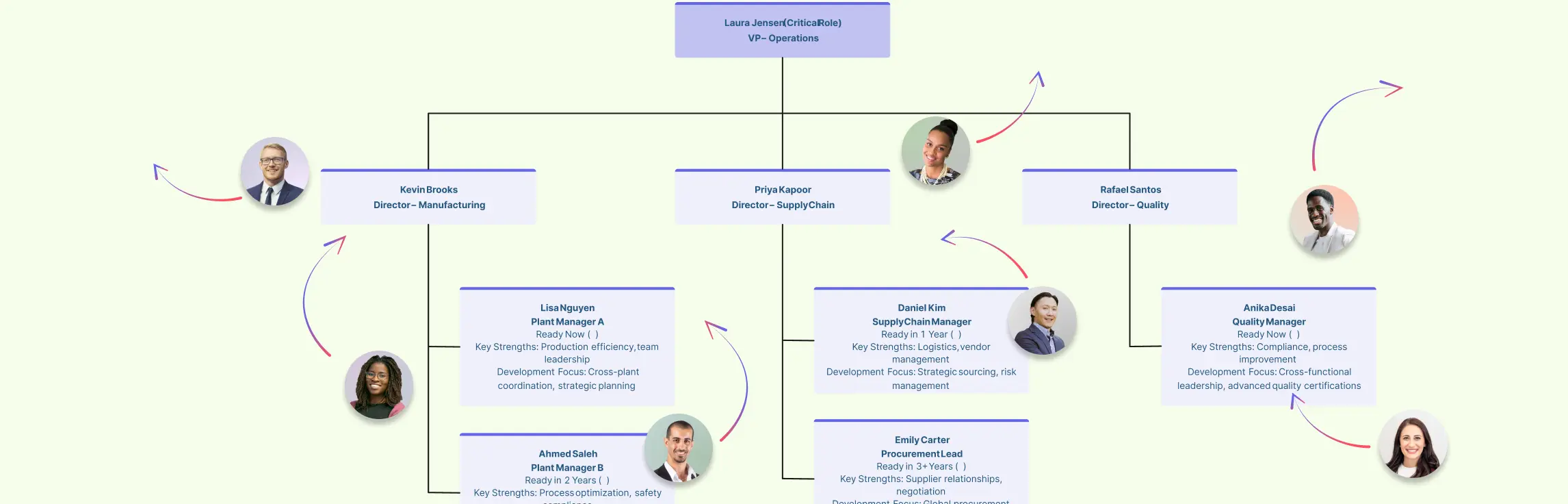
The sudden departure of a key leader shouldn’t feel like a localized earthquake that brings your entire workflow to a halt. If you’re tired of the “single point of failure” anxiety, this guide moves past dry theory to provide concrete succession planning examples and visual roadmaps that actually work for modern teams.
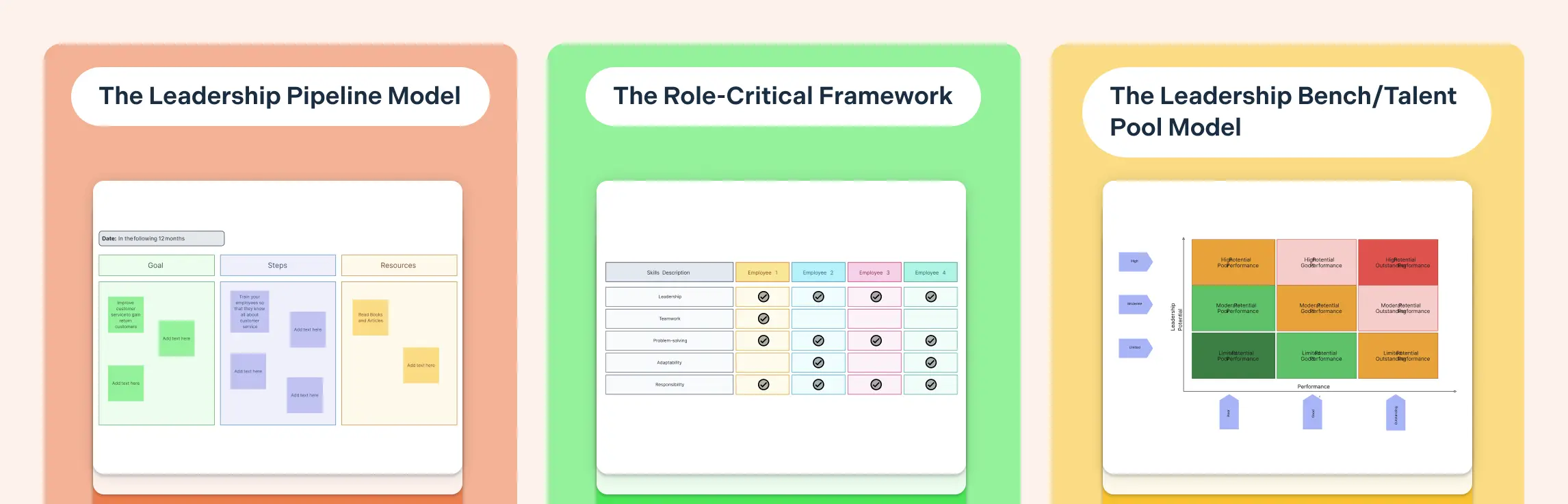
For many teams, the “panic-hire” reality is a result of scattered workflows and a lack of structural clarity. This guide explores the succession planning framework as the structural “bones” of your leadership strategy, comparing the big three succession planning models—Pipeline, Role-Critical, and Talent Pool—to find the one that “just works” for your organization.
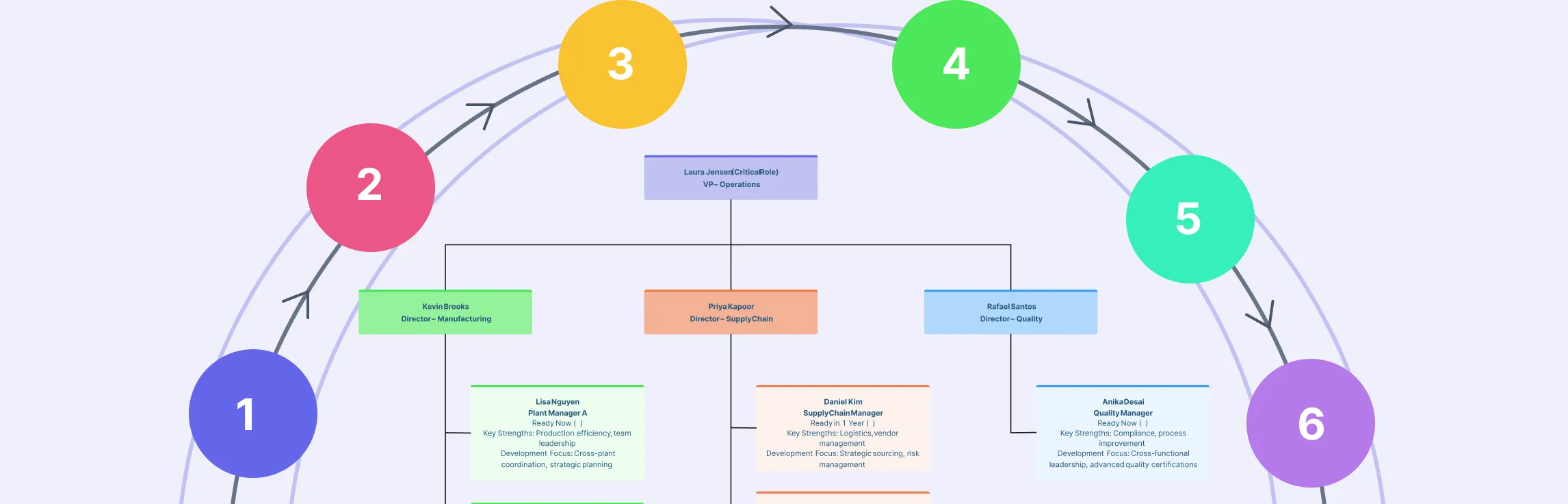
Leadership change is not a matter of if, but when. Organizations that prepare for it strategically are far more likely to sustain performance, protect institutional knowledge, and maintain employee confidence during transitions. A structured succession planning process ensures that critical roles are never left vulnerable and that future leaders are developed intentionally, not selected in haste. In this guide, we’ll walk through the key stages of the succession planning process, explore best practices backed by research, and outline practical steps to help you build a resilient leadership pipeline.
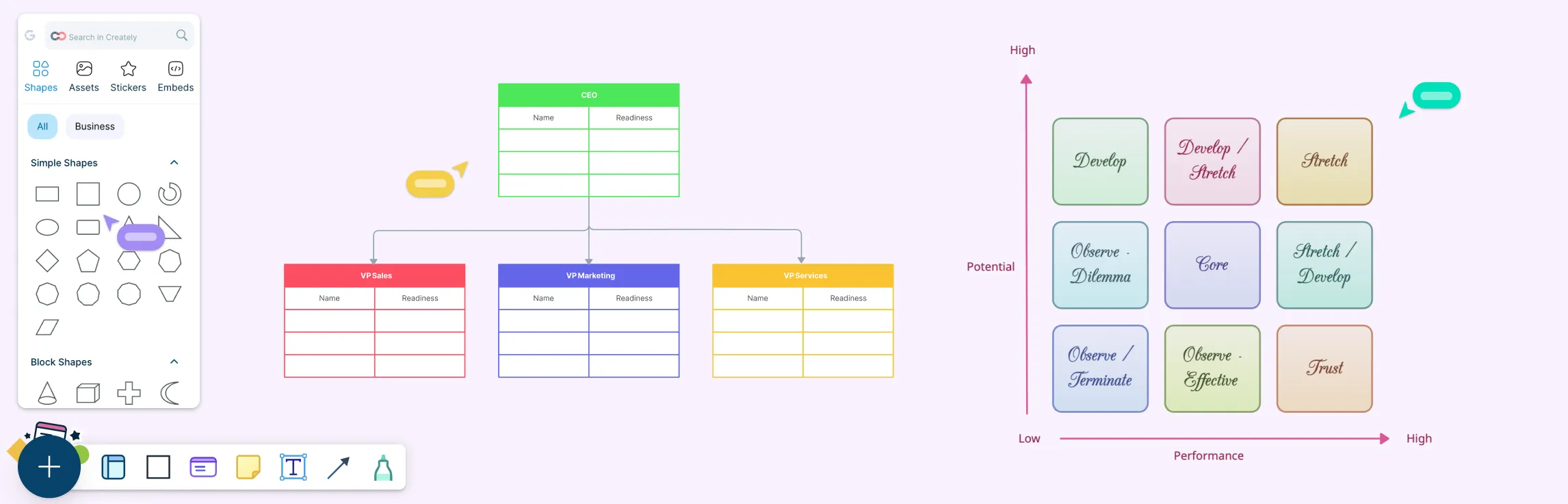
Planning for the future of your team can feel tricky, but knowing the right approach makes all the difference. In this guide, we’ll break down how succession planning and replacement planning help organizations stay ready, keep operations smooth, and build strong leadership for tomorrow.

Leadership transitions often expose gaps that weren’t visible before like unclear ownership, outdated plans, or roles no one was ready to step into. This guide covers the core succession planning best practices that help organizations avoid those moments, along with common mistakes to watch for, how practices differ by role and organization size, and what to focus on as succession planning evolves over time.
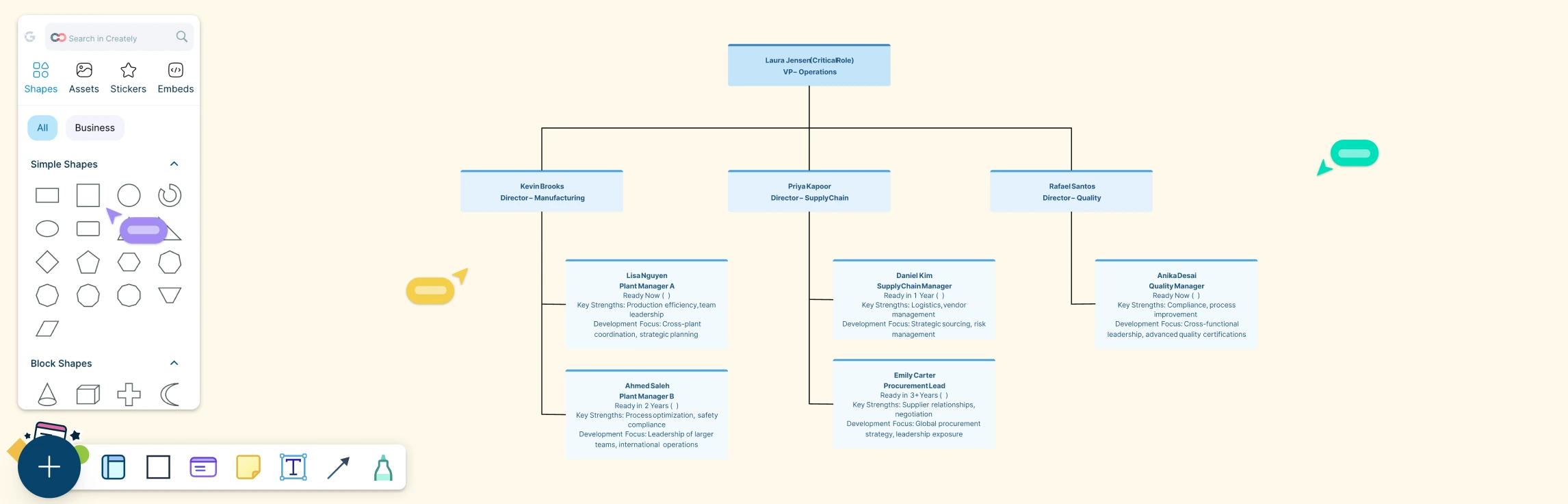
Leadership changes often catch organizations unprepared, creating uncertainty, disruption, and avoidable risk. A succession planning strategy addresses this challenge by ensuring the right people are ready to step into critical roles before transitions occur. This guide explains what a succession planning strategy is, the key elements that make it effective, and how to execute it in practice, with real-world examples across different organizational contexts to support long-term business continuity.
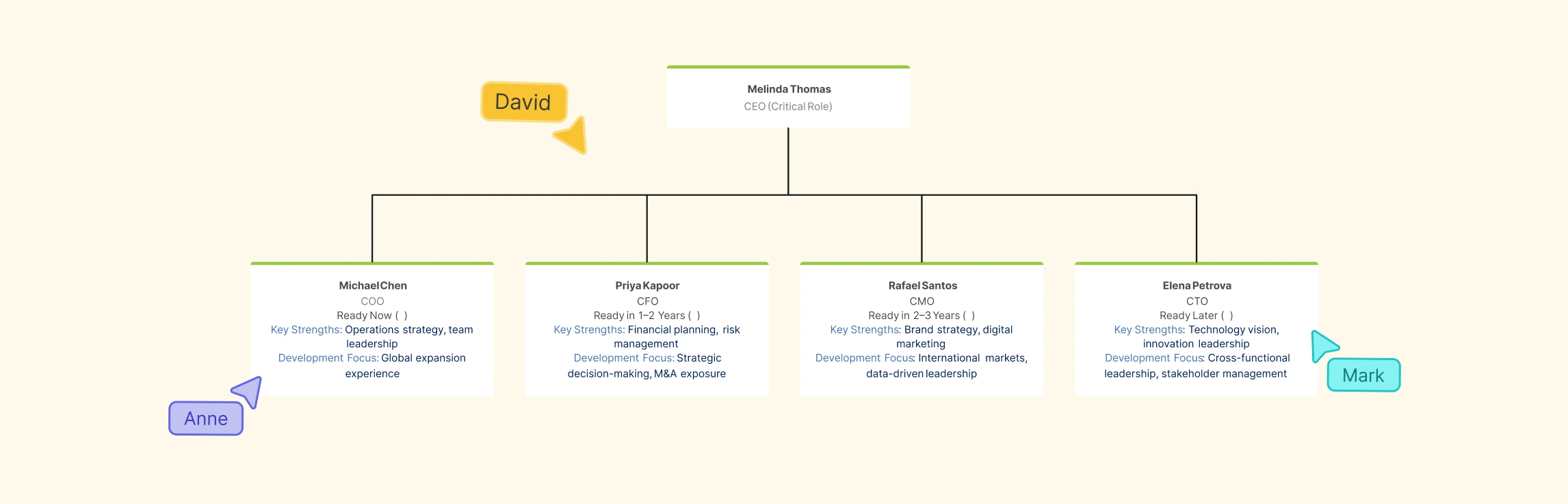
Leadership changes are inevitable, but being unprepared doesn’t have to be. This guide walks through what succession planning is, why it matters, who it benefits, and how it works in practice. You’ll learn the key stages of succession planning, see a simple real-world example, understand the advantages and common misconceptions, and explore how strategy, process, and tools come together to support confident leadership transitions.