Projects rarely proceed without new information, constraints, or requests. A change control process gives teams a consistent way to document a proposed change, assess its effects, make an authorized decision, implement approved work, and retain a record of the outcome.
This guide explains change control in project management, how it differs from organizational change management, the five core steps, and practical ways to keep reviews, ownership, and project documentation connected.
What is Change Control Process
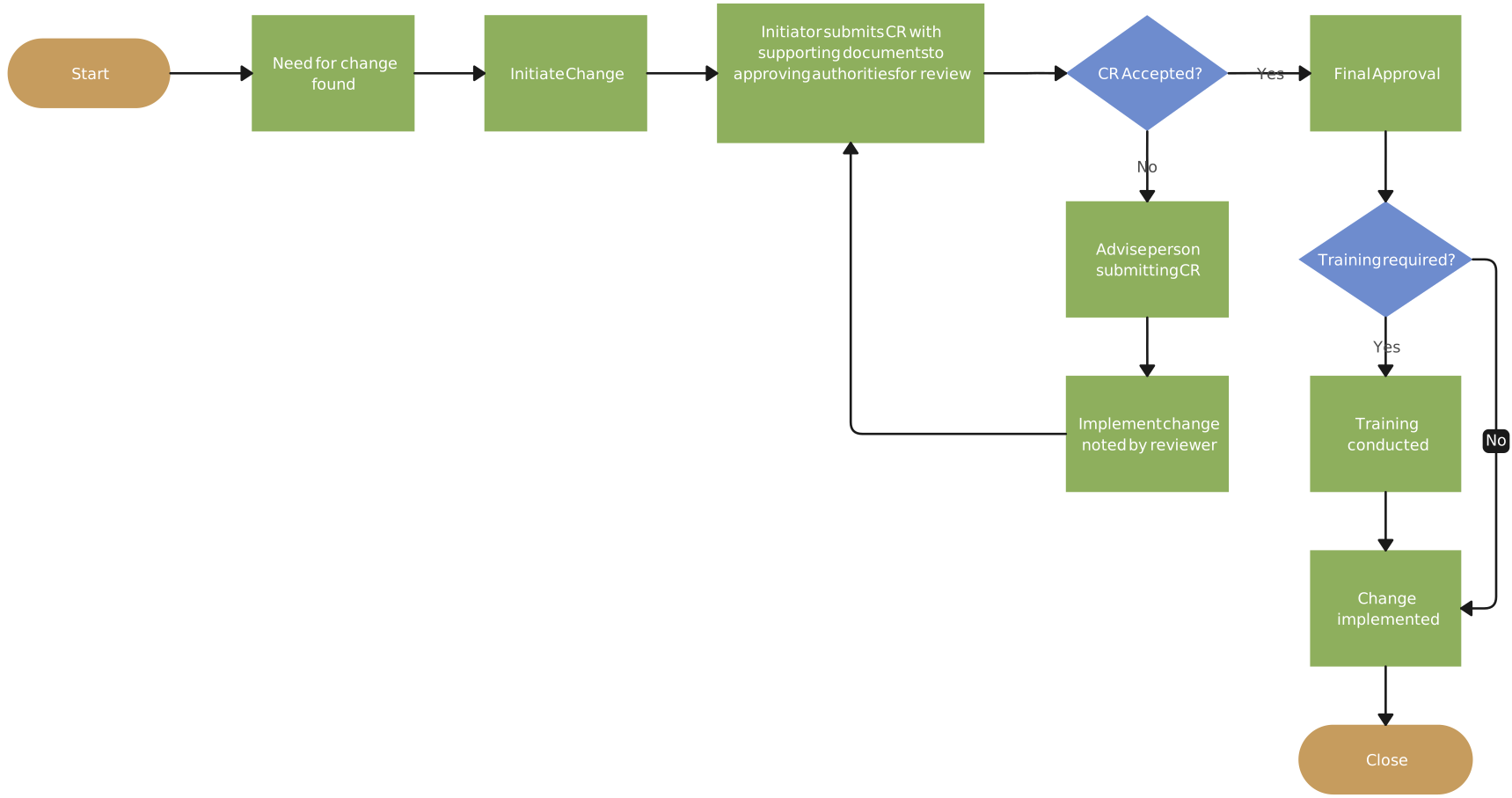

The Project Management Institute (PMI) defines change control as the process by which modifications to project documents, deliverables, or baselines are identified, documented, approved, or rejected. A change request is the formal proposal for such a modification.
In practice, the process establishes who may submit requests, what information is required, who evaluates and authorizes a decision, and how approved changes are reflected in plans and baselines. It does not prevent change or guarantee project success. It helps decision-makers understand trade-offs and prevents teams from implementing changes without considering their wider effects.
Change Control vs. Change Management
Change control and change management are related but distinct. Change control governs proposed modifications to project documents, deliverables, requirements, or baselines. A change management process addresses how people and organizations prepare for, adopt, and sustain a new way of working. A project may need both: change control decides whether and how the project plan changes, while change management supports the people affected by the resulting change.
| Aspect | Change Control | Change Management |
|---|---|---|
| Focus | Proposed changes to project documents, deliverables, requirements, or baselines | The people and organizational transition from a current state to a future state |
| Purpose | Assess impact and authorize, reject, defer, or request revisions to a proposed change | Build readiness, communication, learning, adoption, and reinforcement |
| Scope | Usually defined by the project or program’s governance and baselines | May span a project, business unit, or organization |
| Key activities | Submit, analyze, decide, implement, validate, document, and close change requests | Stakeholder analysis, communication, manager support, learning, feedback, and adoption measurement |
Benefits of a Change Control Process
A proportionate change control process can provide the following benefits:
Protects approved baselines: Teams can distinguish authorized changes from informal requests and avoid uncontrolled scope changes.
Makes trade-offs visible: Impact analysis surfaces potential effects on scope, schedule, cost, resources, quality, benefits, risk, compliance, and dependent work.
Clarifies decision rights: Defined authorities and escalation paths show who can approve, reject, defer, or request revisions at different thresholds.
Improves stakeholder communication: A documented request and decision give affected teams a shared explanation of what will change and why.
Supports traceability: The change log connects the request, analysis, decision, implementation evidence, validation, and closure record.
Enables coordinated implementation: Approved changes can be reflected consistently in relevant plans, requirements, schedules, budgets, risks, and communications.
The process should be scaled to the risk and complexity of the change. Excessive controls can slow low-risk work, while weak controls can expose significant changes to avoidable cost, delay, or compliance risk.
Change Control Process Steps
The exact workflow and decision authority vary by organization, but a practical change control process usually includes the following five steps:

1. Change Request Submission
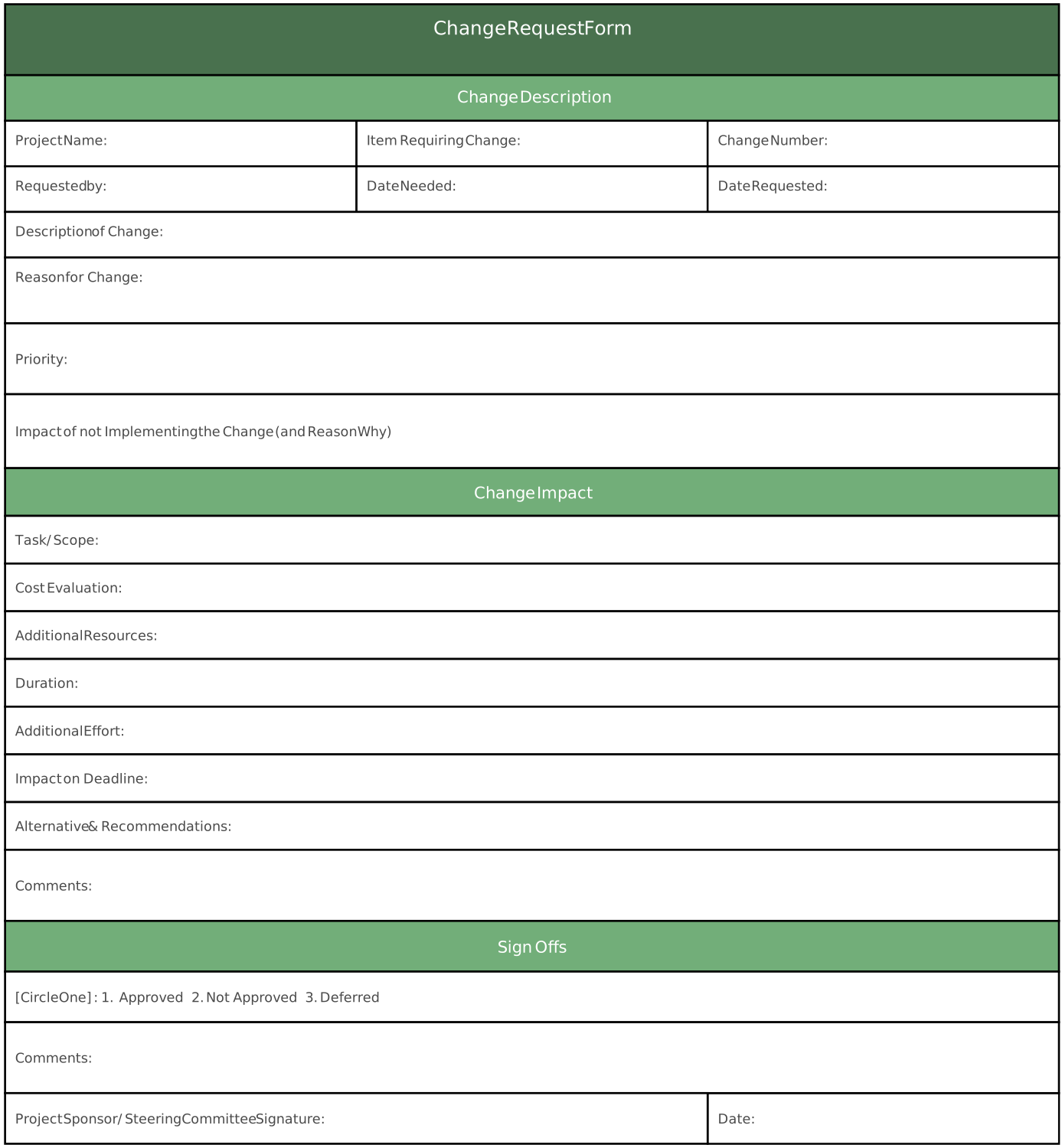
Record the proposed modification before work begins. A useful change request identifies the requester, business reason, affected deliverable or baseline, desired outcome, urgency, dependencies, assumptions, and initial risks. Give each request a unique identifier so it can be traced through review and closure.
2. Change Request Review and Evaluation
Check that the request is complete, then analyze its potential effects on scope, schedule, cost, resources, quality, benefits, risk, compliance, and related work. The review may involve a change control board (CCB), project sponsor, product owner, technical specialists, finance, legal, security, or other authorities, depending on the project’s governance and the size of the change.
3. Change Approval or Rejection
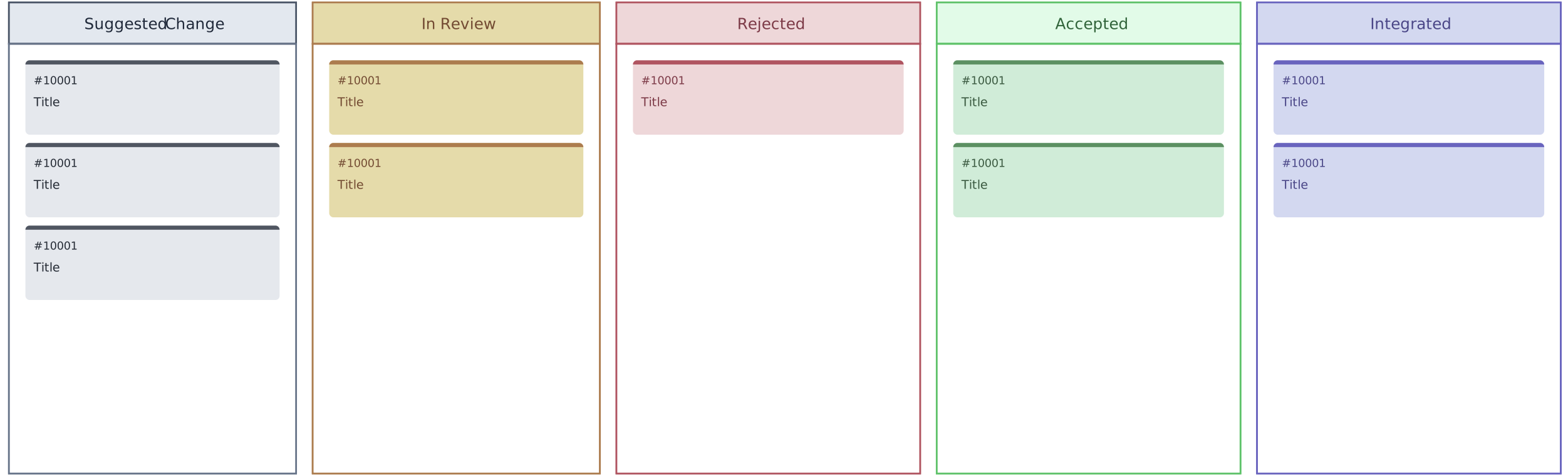
The authorized decision-maker may approve, reject, defer, or request revisions. Record the decision, rationale, conditions, approver, and date, and communicate it to affected stakeholders. Approval should follow the thresholds defined in the project change-control plan; not every organization uses a formal CCB for every request.
4. Change Planning and Implementation
Plan and execute only the authorized change. Assign an implementation owner, update affected baselines and project documents, coordinate cross-functional handoffs, define acceptance and rollback criteria where relevant, and communicate timing and responsibilities. Retain the approved request as the reference for what may be implemented.
5. Testing, Validation, Documentation, and Change Closure
Test or otherwise validate the result against the approved acceptance criteria. Confirm that affected documents and baselines have been updated, record implementation evidence and any residual issues, communicate the outcome, and formally close the request. If validation fails, follow the agreed remediation or rollback path rather than closing the change prematurely.
Change Control Process Example
Consider a software project in which a major customer asks for an analytics integration that was not included in the approved scope.
Scenario:
- The account manager submits a change request describing the customer need, business justification, requested timing, and affected requirement.
- Technical, security, finance, and project leads assess feasibility, data and compliance implications, cost, resource needs, dependencies, and schedule impact.
- The authorized decision-makers compare the expected value with the impact. They approve the integration for a later release, subject to security review and additional funding, rather than adding it to the current launch.
- The project manager records the decision and conditions, updates the relevant scope, schedule, budget, risks, requirements, and stakeholder communications, and assigns an implementation owner.
- After implementation, the team validates the integration against the approved acceptance criteria, records the result, communicates the release, and closes the request.
This example shows why approval is more than a yes-or-no decision: conditions, timing, ownership, and updates to affected baselines are part of controlled implementation.
When to Use the Change Control Process
Use formal change control when a proposed modification could affect an approved document, deliverable, requirement, or baseline. The level of control should match the impact and governance needs:
Project scope changes: Use when you want to modify what the project will include, like adding new features or requirements.
Schedule adjustments: Apply when you need to change project timelines, whether to speed up or delay the project.
Resource allocation: Use when you need to shift people, money, or equipment to different tasks.
Quality assurance: Necessary when changes could affect project quality, and you need to check their impact.
Risk management: When changes bring potential risks that must be identified, assessed, and controlled.
Regulatory compliance: Use when your project must follow industry or legal rules, and changes must meet these standards.
Stakeholder input: Apply when clients or end-users request changes to match their expectations.
Tips for Effectively Implementing a Change Control Process
Use these practices to make decisions traceable without adding unnecessary bureaucracy.
Clear documentation
Define the minimum information required at intake and maintain one traceable record for the request, analysis, decision, implementation, validation, and closure. Apply retention and audit requirements appropriate to the organization.
Creately tip: Use a change-control flowchart to show review checkpoints and handoffs. In Creately, teams can add notes, links, files, and ownership information to relevant shapes so the map and its supporting context remain connected. Keep formal approvals and authoritative records in the organization’s approved governance system where required.
Engage stakeholders
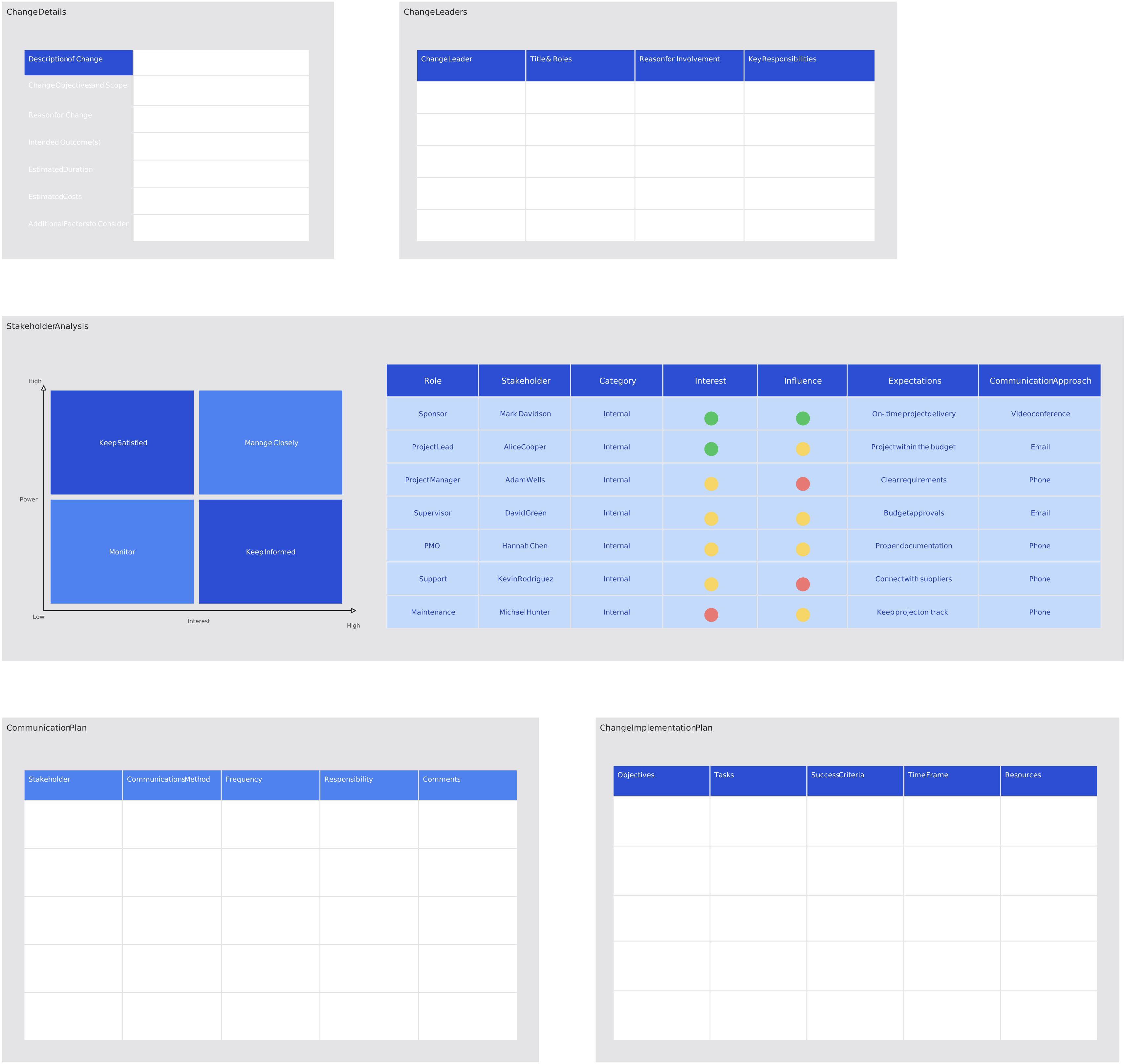
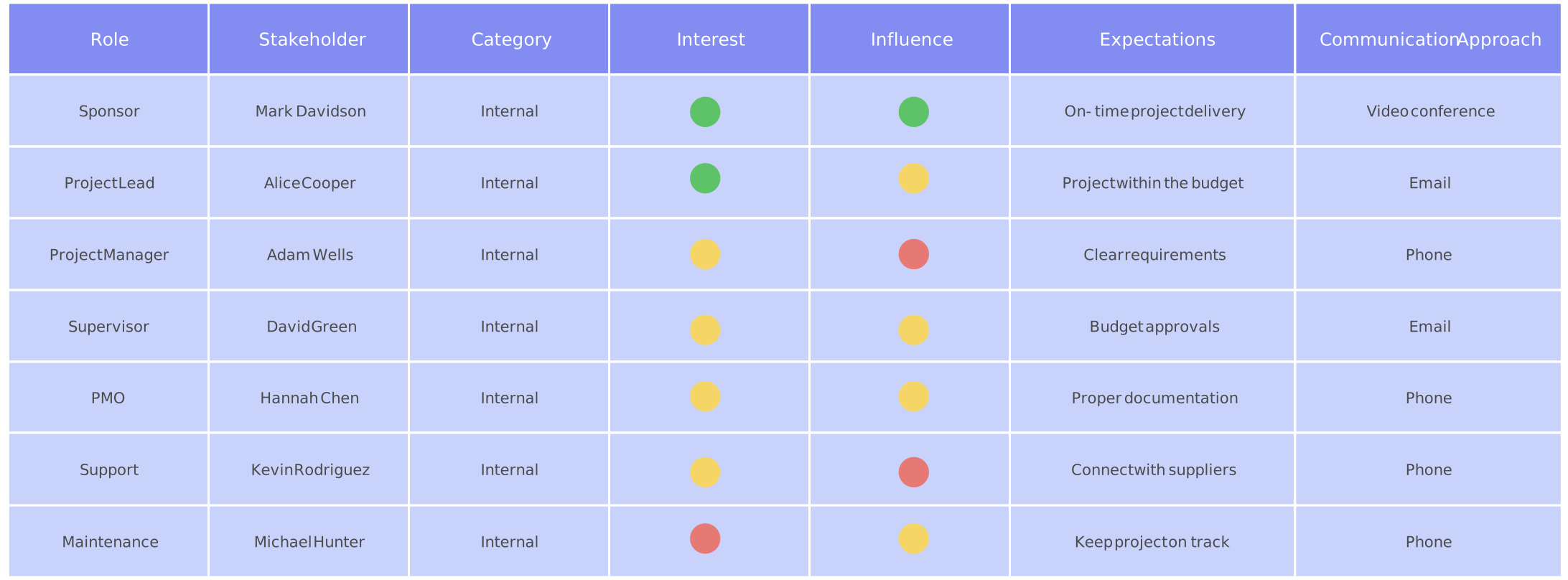
Identify the stakeholders needed to evaluate consequences and implement an approved change. Seek their input early, but keep decision authority explicit so consultation is not confused with approval.
Creately tip: Use the stakeholder engagement plan template to map influence, impact, communication needs, and participation in the review.
Defined roles and responsibilities
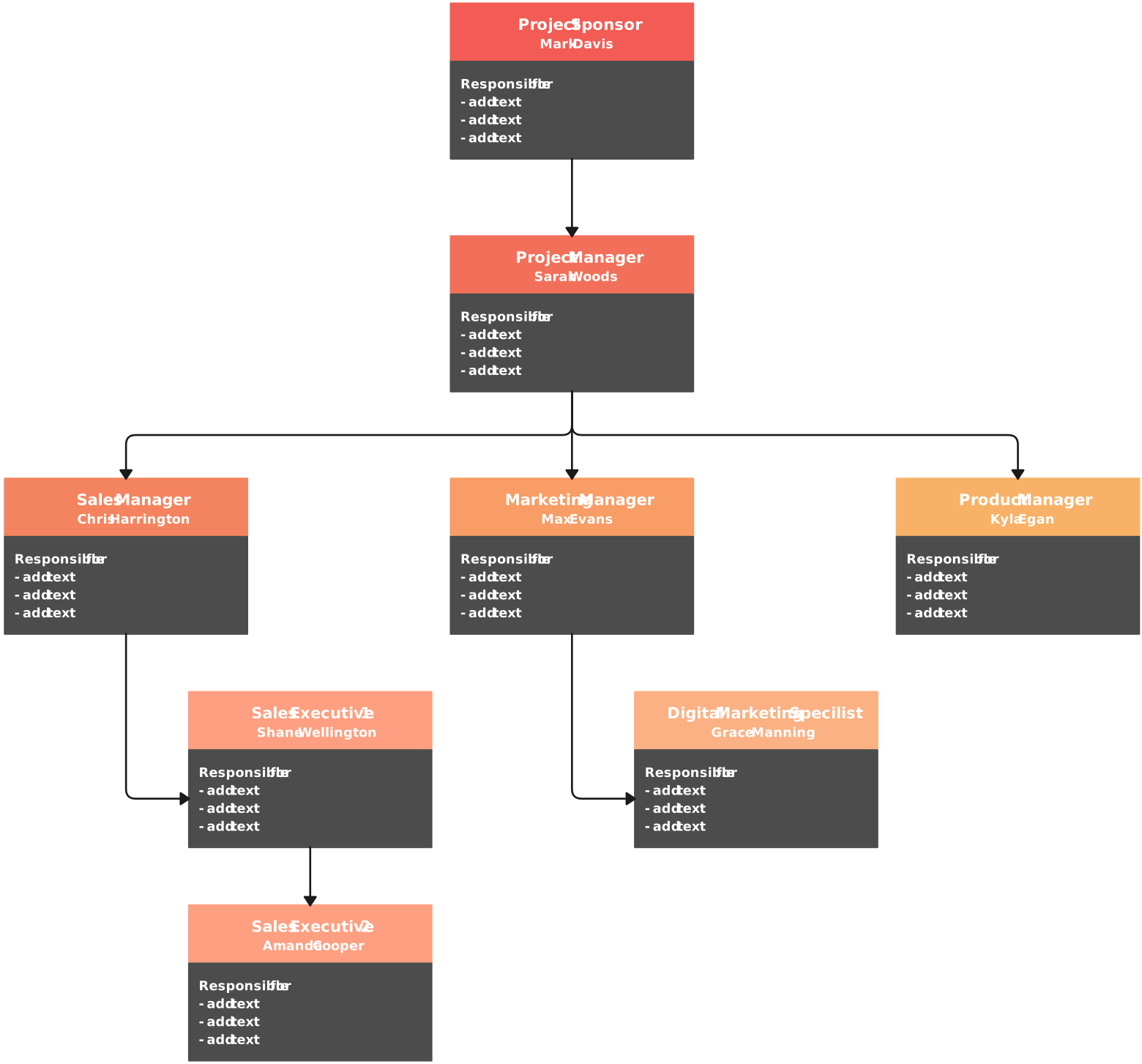
Define who can submit, analyze, authorize, implement, validate, communicate, and close a request. Specify approval thresholds and escalation paths, and name an owner for each approved change.
Creately tip: Use the project team org chart template to visualize reporting relationships, then document change-control responsibilities and decision rights alongside it.
Risk assessment
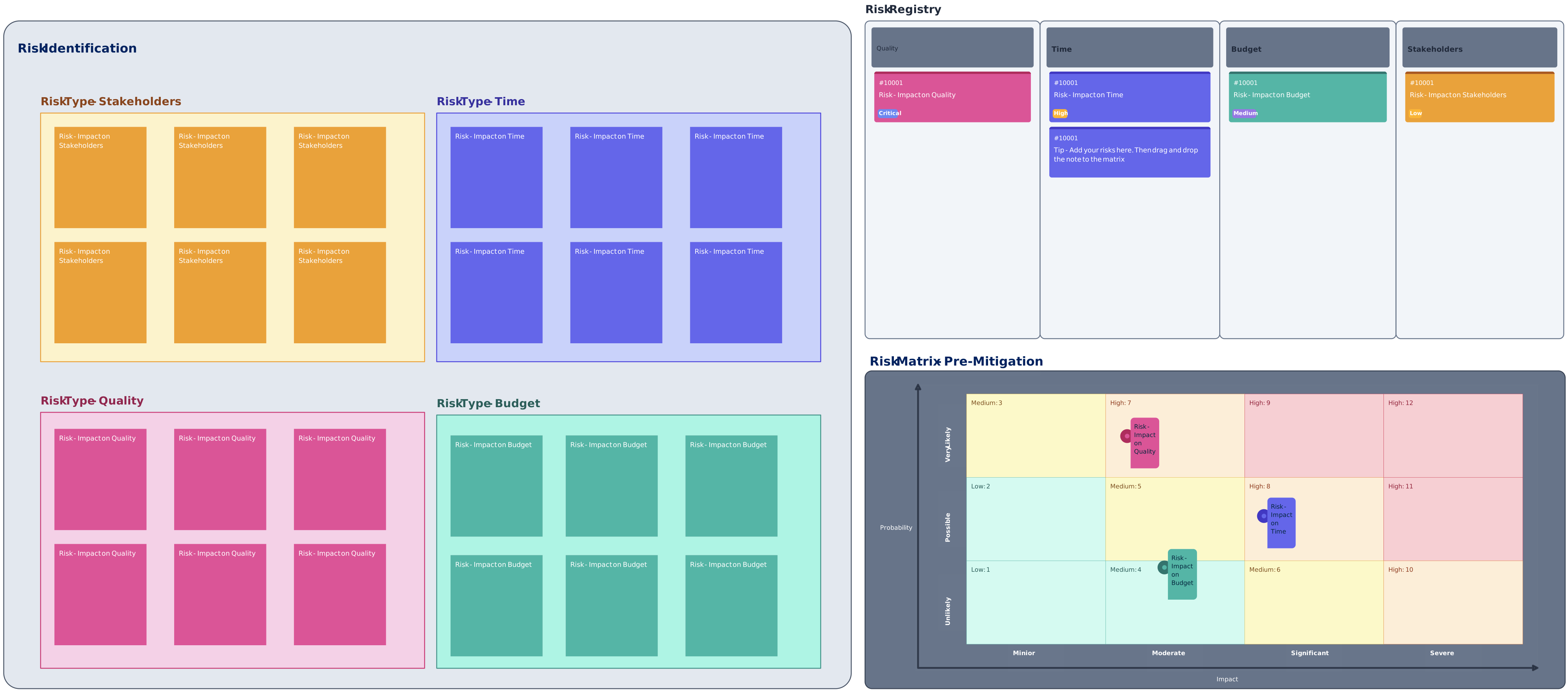
Assess the risks created by the proposed change as well as the risks of rejecting or delaying it. Record assumptions, controls, dependencies, residual risk, and the person authorized to accept that risk.
Creately tip: Use the risk assessment template to compare likelihood, impact, controls, and ownership during the evaluation.
Communication
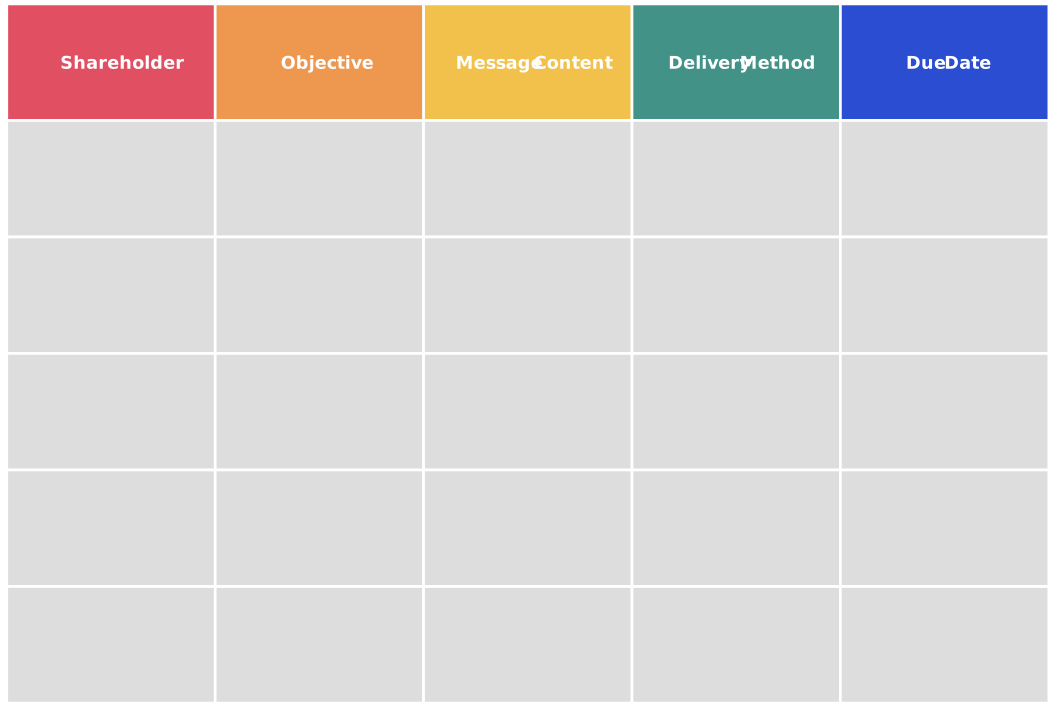
Communicate the request status and decision to the people affected. For approved changes, explain what is changing, when it takes effect, who owns implementation, and where to find the current project information.
Creately tip: Use the communication plan template to connect audiences, messages, channels, timing, senders, and feedback routes.
Templates and tools
Standardize the change request, impact analysis, decision record, change log, implementation plan, and closure criteria. Creately Process can help teams map the workflow, clarify owners and handoffs, and review the process using real-time editing and contextual comments. The process owner can incorporate agreed updates and maintain the map as living documentation; this supports the workflow but does not replace a required approval or project-record system.
A useful change control process is proportionate, traceable, and explicit about decision authority. It enables informed change rather than resisting it. Review the workflow periodically with the people who submit, assess, authorize, and implement requests, and update the documentation when governance or operational practice changes.