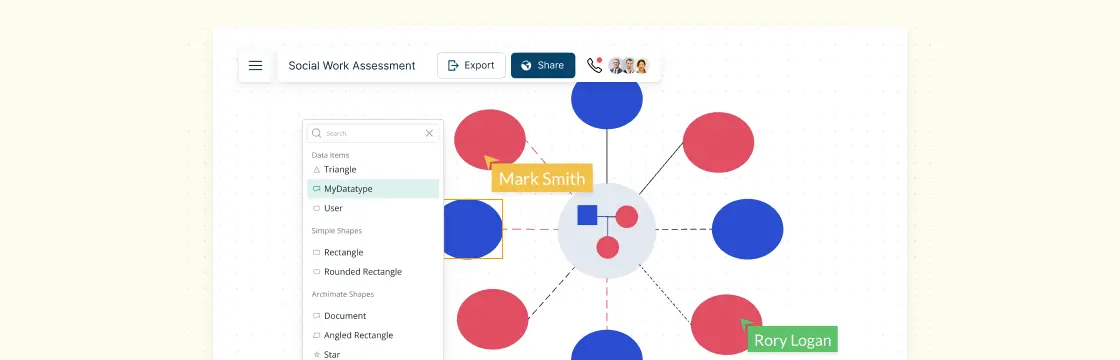
Social work assessment tools help practitioners organize what they learn during interviews, observations, and case reviews into a clearer picture of a client’s needs, strengths, risks, and support network.
This guide explains seven visual social work assessment tools, what each one is best for, and how to choose the right format for family relationships, environmental influences, self-reflection, or group dynamics.
- What is Social Work Assessment?
- Social Work Process
- How to Choose the Right Social Work Assessment Tool
- Social Work Assessment Tools
- Need Another Social Work Assessment Tool?
Each visual tool below includes an editable template that you can customize online and download as an image, PDF, or SVG for presentations, reports, and case documentation.
What is Social Work Assessment?
A social work assessment is a systematic process used to gather and evaluate information about an individual, family, or community so practitioners can understand needs, strengths, challenges, and context. The assessment then informs the support plan, intervention priorities, and next steps.
Social work assessments are person-centered and holistic. They consider physical, psychological, social, cultural, and environmental factors while supporting the client’s participation in decision-making. The goal is to build a fuller understanding of the situation so care planning is both relevant and practical.
Social Work Process
Assessment is the first step in the social work process.
Assessment
In this first step of the social work process, information on the client’s strengths, needs, challenges, goals, and resources is gathered.
By examining these areas, you can identify what needs to change, why it matters, and what should happen next.
Planning
In this stage, it is decided who needs to take action, when, and how. Accordingly create an action plan that is flexible enough to adapt to changing circumstances.
Intervention
In this stage you deploy the action plan.
As a social worker, that may include connecting the client with resources, coordinating support, advocating on their behalf, or helping them build practical life skills.
Review and Evaluation
Review the progress made through the plan. Have the expected outcomes been achieved? Has the intervention improved the client’s situation? This step helps determine whether the plan should continue, be adjusted, or be replaced.
How to Choose the Right Social Work Assessment Tool
Use different social work assessment tools depending on the type of insight you need:
- Choose a culturagram when cultural background, migration history, language, values, or discrimination may affect assessment and care planning.
- Use an ecomap when you need to understand how a client or family relates to schools, healthcare providers, community organizations, or other outside systems.
- Pick a genogram when family structure, generational patterns, caregiving roles, or relationship history are central to the case.
- Use a sociogram when you want to examine group relationships, peer dynamics, social inclusion, or isolation.
- Apply a personal SWOT analysis or self-assessment template when the goal is reflection, strengths-based planning, or identifying personal barriers and opportunities.
- Start with a mind map when you need a flexible way to capture notes, themes, and emerging concerns during early assessment conversations.
Social Work Assessment Tools
There are many ways to support the social work assessment process. The tools below help social work practitioners capture information visually so patterns, relationships, and priorities are easier to discuss and act on.
1. Culturagrams
Culturagram is a family assessment tool developed by Elaine Congress to help practitioners understand families from different cultural backgrounds. It focuses attention on key cultural dimensions and is especially useful when working with immigrant and refugee families.
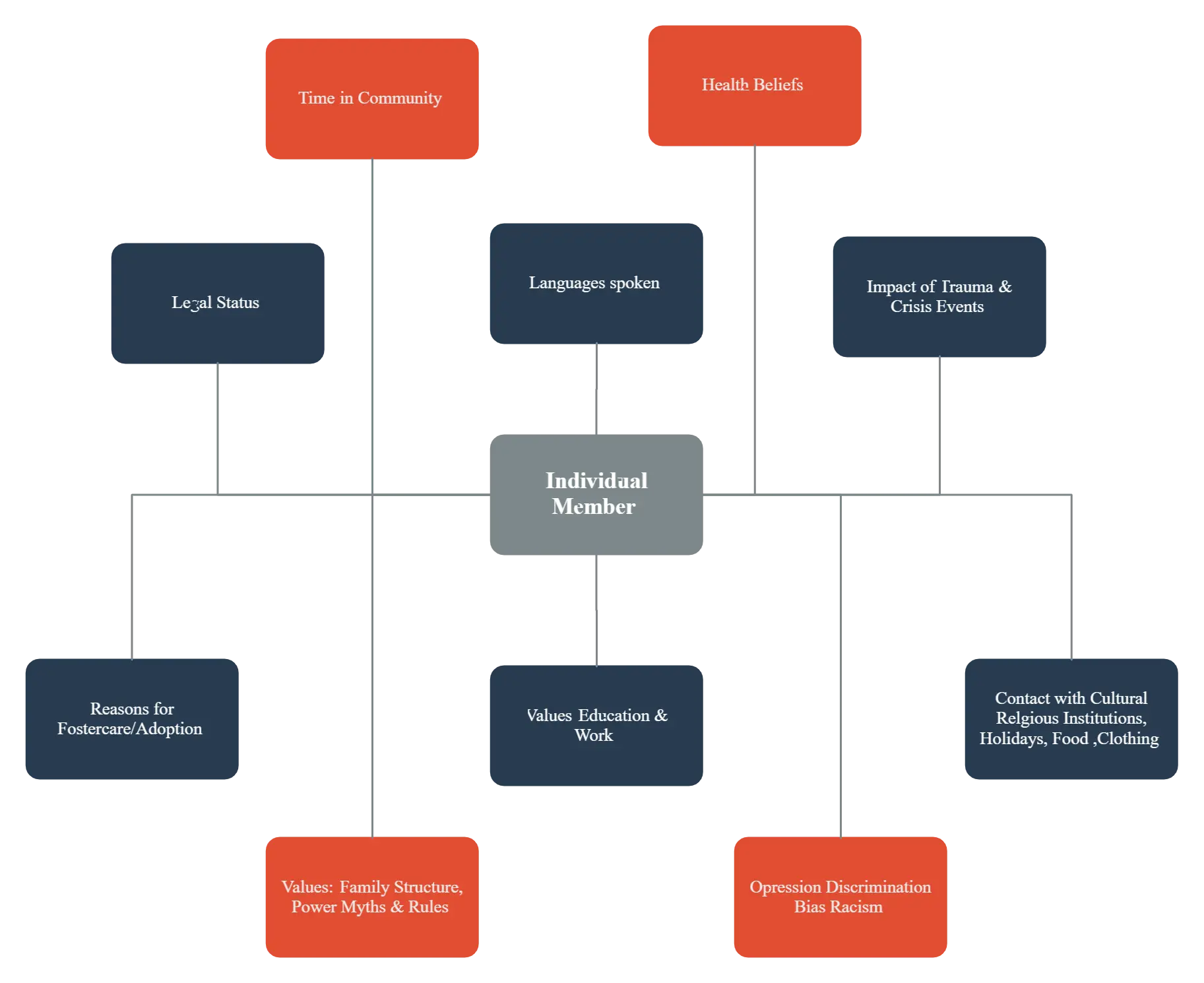
The culturagram examines factors such as:
- Reason for relocation and legal status
- Time in the community
- Language spoken at home and in the community
- Health beliefs
- Impact of trauma and crisis events
- Contact with cultural and religious institutions, holidays, food, and clothing
- Oppression, discrimination, bias, and racism
- Values about education and work
- Values about family
2. Ecomaps
Commonly used by nurses and social workers, the ecomap was developed by Dr. Ann Hartman, who also developed the genogram.
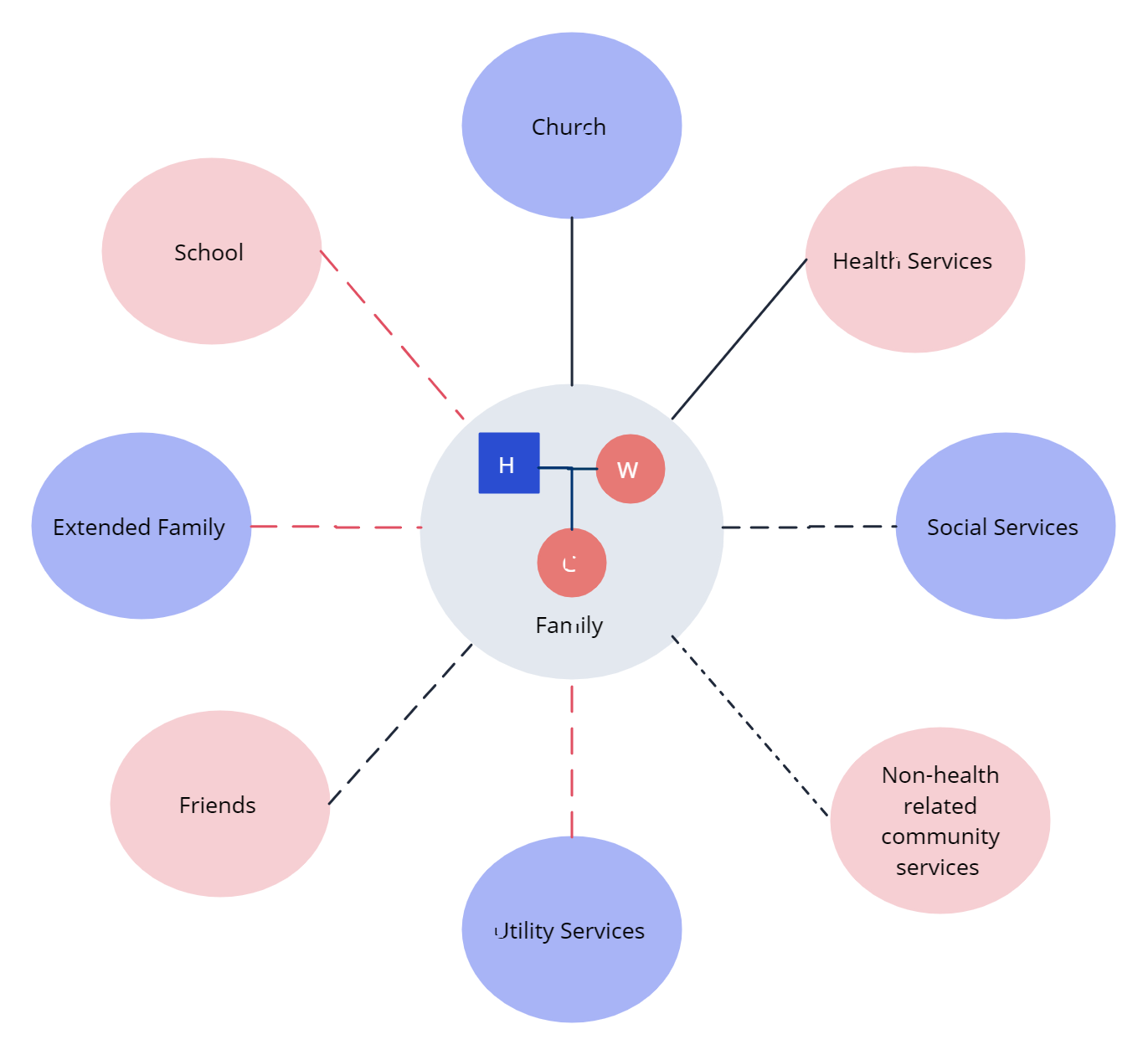
An ecomap visualizes the personal and social relationships of a family with its external environment. It helps show both the presence and the quality of those connections, making it especially useful with refugee and migrant families or any case where outside systems strongly influence wellbeing.
How to Draw an Ecomap
Step 1: Begin your ecomap with a circle in the middle. Portray family members within the circle using a genogram: squares for male family members and circles for female family members. Mention each person’s name and age inside the shape assigned to them.
Step 2: Represent the quality of the relationship between family members by using one of the connection lines below.

Step 3: Identify and add any extended family members or close friends. Visualize the quality of the relationship to them using the same line styles.
Step 4: Add social and environmental systems such as schools, religious institutions, workplaces, and healthcare providers that affect the family. Portray the quality of those relationships as well.
3. Personal SWOT Analysis
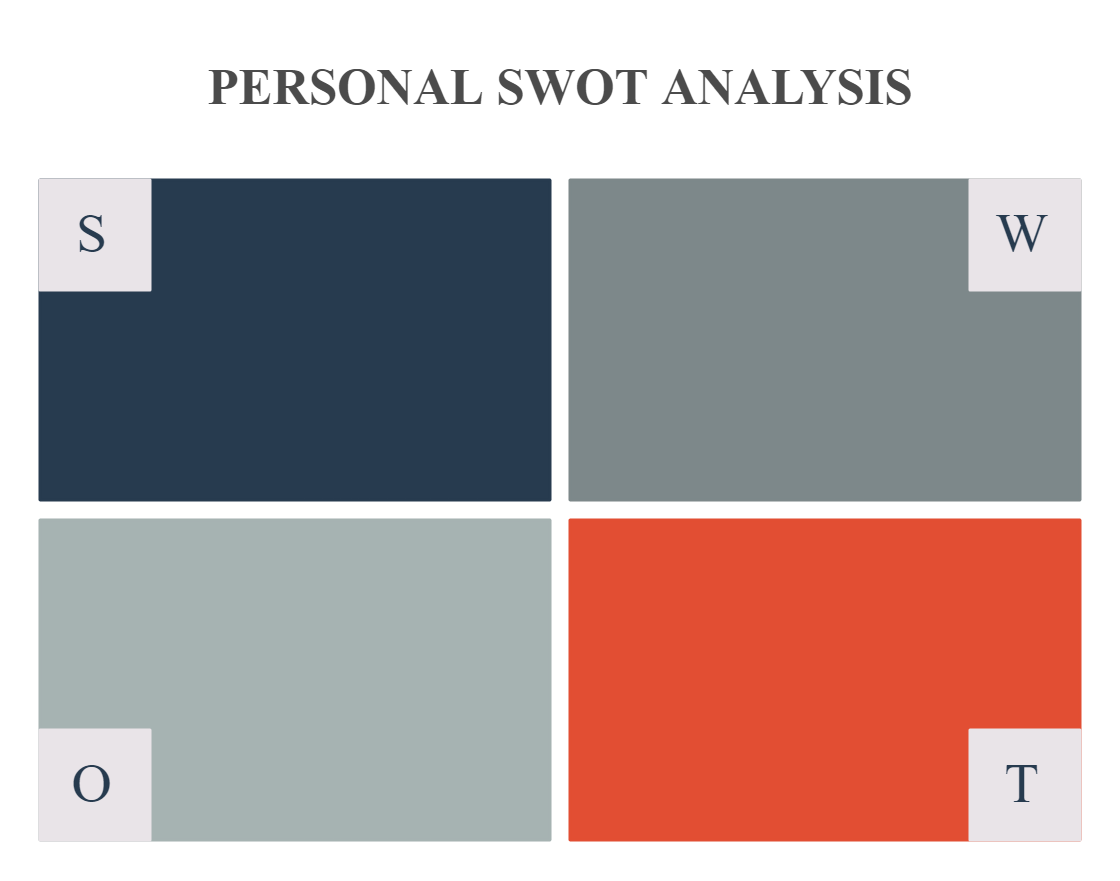
A personal SWOT analysis is a useful self-assessment tool that you can use with clients. While it is usually completed individually, it helps clients identify their strengths, weaknesses, threats and opportunities.
The key to a successful SWOT analysis is asking the right questions. Read our article on Personal SWOT Analysis to Assess and Improve Yourself to learn how to use this tool along with useful prompts you can use with clients.
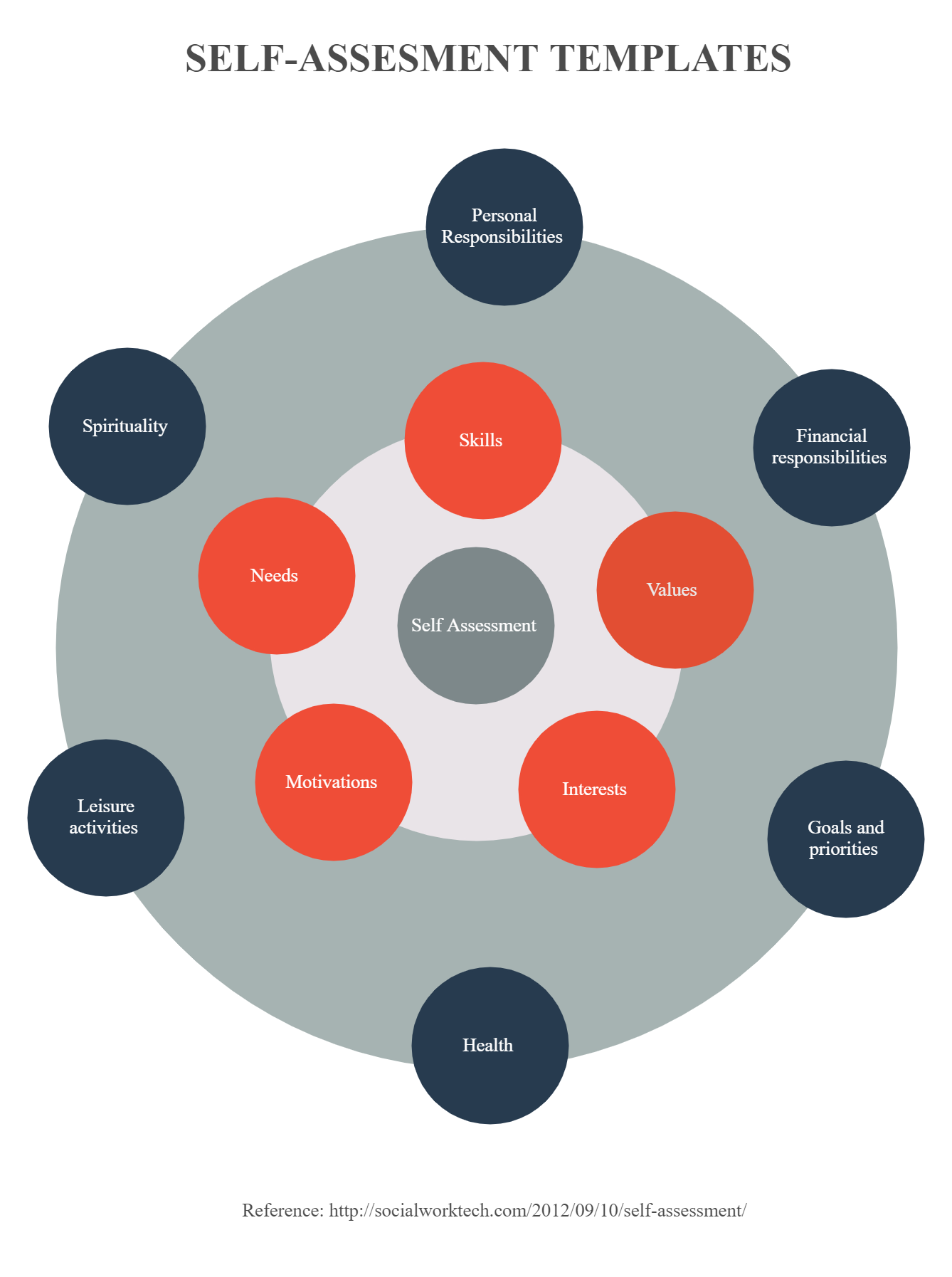
4. Self-Assessment Template
The self assessment template helps individuals evaluate their skills, performance, goals, strengths, and areas for improvement in a structured way. It provides a clear framework for reflecting on achievements, identifying growth opportunities, tracking progress, and preparing for performance reviews, career development discussions, or personal improvement planning.
5. Genograms
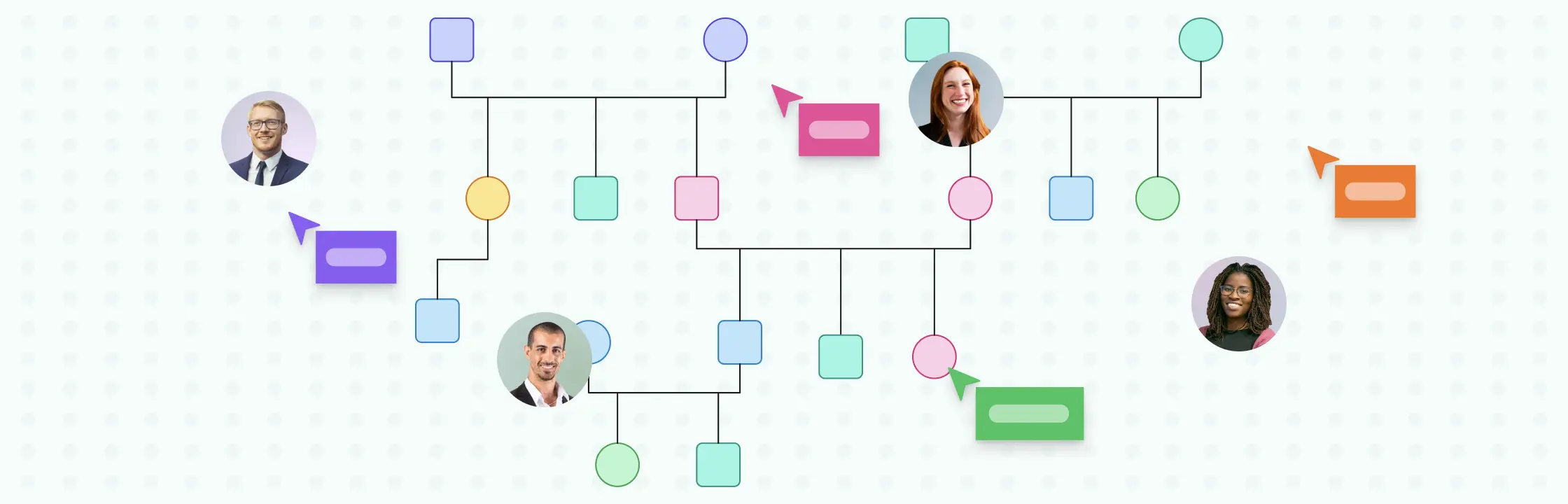
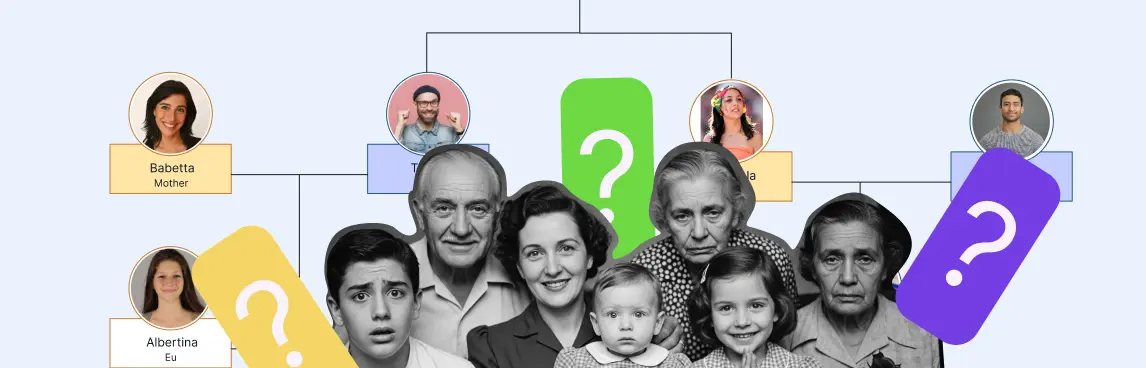
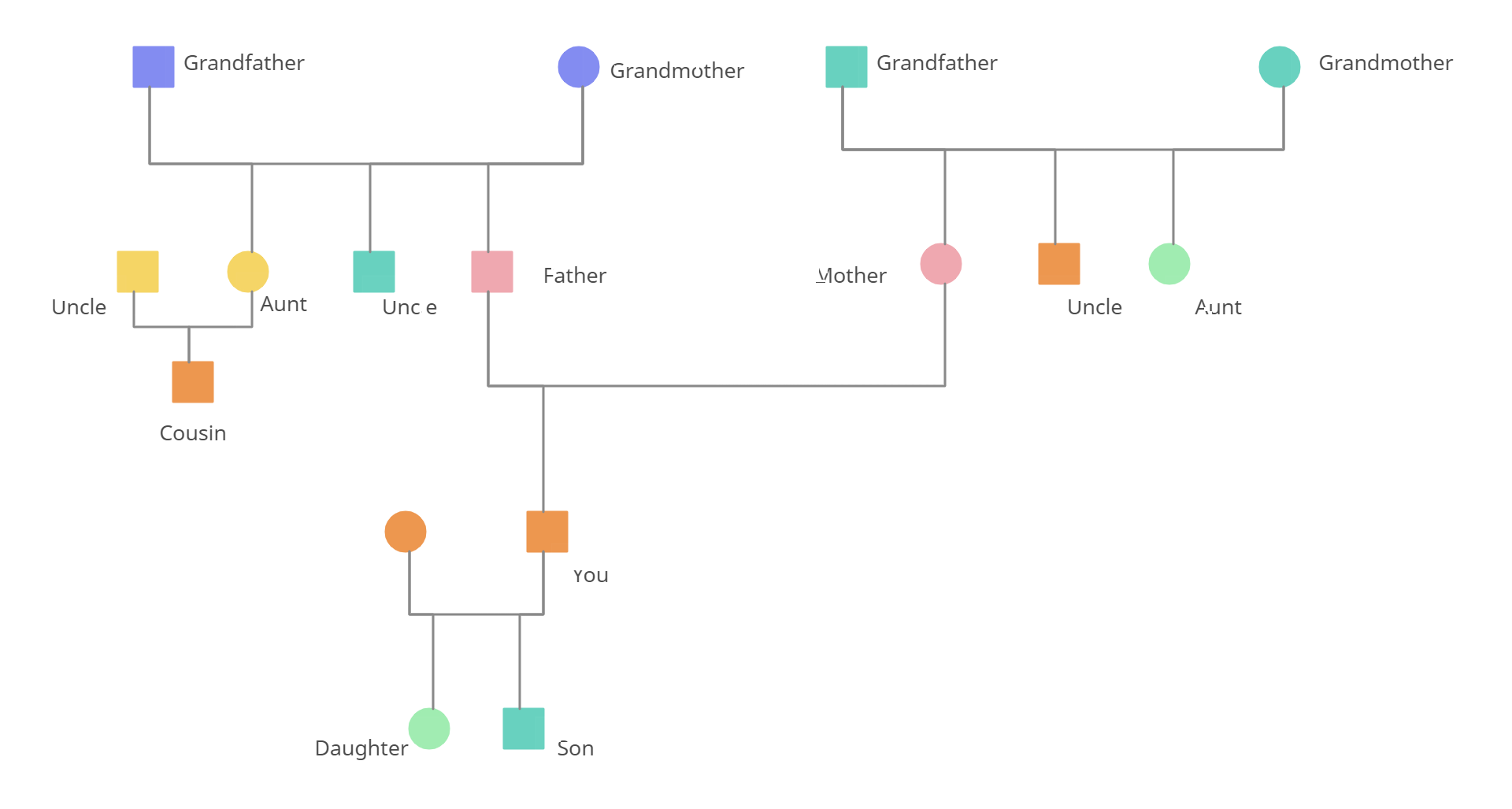
Genogram is a tool used to visualize a person’s family relationships and history. It goes a step beyond the traditional family tree by highlighting generational patterns and psychological factors that affect relationships.
A genogram can help clients explain sensitive or difficult circumstances that may be hard to discuss directly. For example, a client experiencing abuse may use a genogram to indicate their situation and open a safer conversation with the social worker.
6. Sociogram
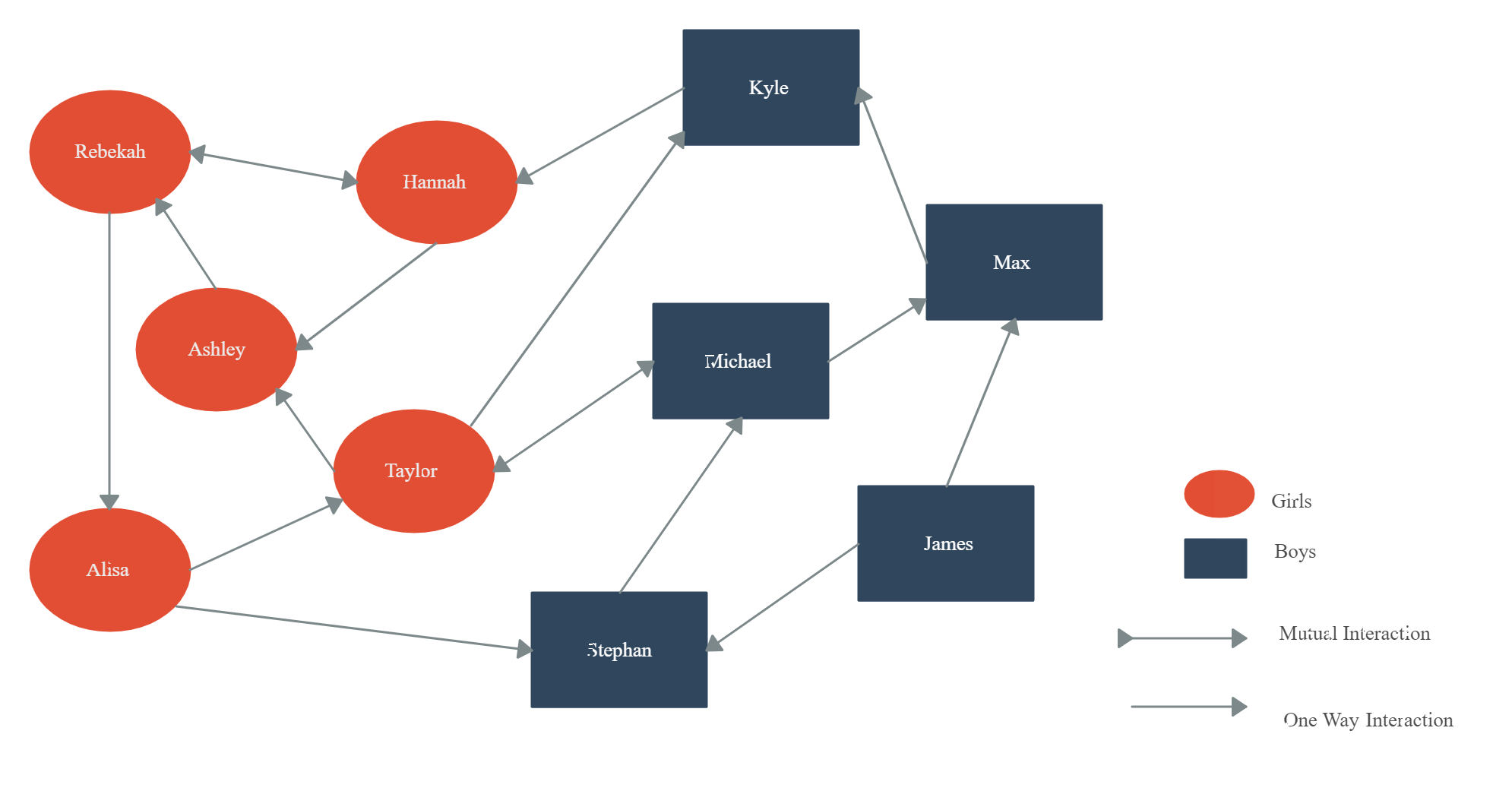
Sociogram is a tool used to visualize the types of relationships within a group. It helps practitioners understand group behavior, influence patterns, and social positioning.
It can alert you to people who are isolated within the group as well as those who are highly connected.
7. Mind Maps
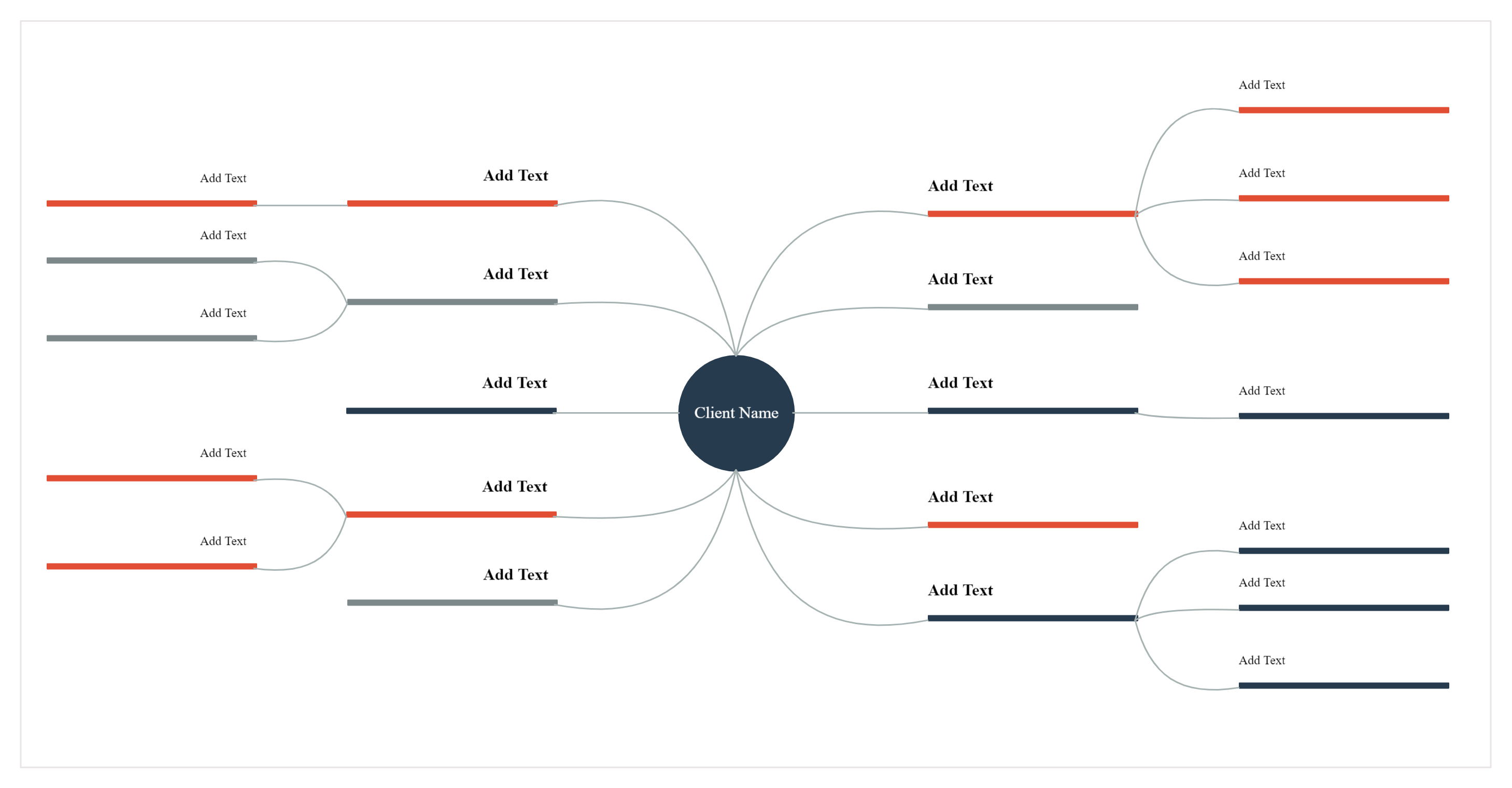
As with the culturagram, you can use mind maps to capture, organize, and categorize information you gather during interviews with clients in the assessment stage.
Need Another Social Work Assessment Tool?
Here we have listed popular social work assessment tools that can help you understand clients, map their relationships, and identify the factors shaping their situation.
If you use another assessment tool in practice, share it in the comments so others can learn from your experience.